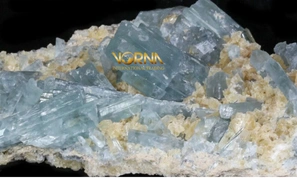

Blue Barite
Blue barite is a captivating mineral prized for its rich color and high specific gravity. This unique crystal is part of the barite family, a group of barium sulfate minerals known for their density and distinctive optical properties. Blue barite stands out among its peers due to its sky-blue to deep indigo hues, making it a favorite among mineral collectors, healers, and jewelry makers. Often found in tabular or blade-like crystals, blue barite forms in sedimentary environments and hydrothermal veins. Its rarity and visual appeal make it both a scientific and aesthetic wonder in the world of minerals.
Blue barite, with its high density, is often associated with industrial uses, including barite drilling mud. If you’re interested in the applications of barite in drilling fluids, check out our detailed guide on Barite Drilling Mud for more insights into its vital role in the oil and gas industry.
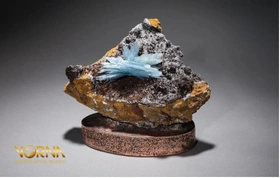
What Is Blue Barite
Blue barite is a naturally occurring mineral composed primarily of barium sulfate (BaSO₄). The blue coloration comes from trace elements, typically including strontium or copper, present during formation. As a sulfate mineral, blue barite is part of the orthorhombic crystal system and often grows in clusters of flattened or blade-like crystals. The mineral is relatively soft, rating around 3 to 3.5 on the Mohs hardness scale, yet it has a surprisingly high density. Blue barite is commonly used in both industrial and metaphysical contexts, reflecting its diverse significance.
Blue Barite Properties
Blue barite exhibits several notable physical and optical properties. Its color ranges from pale blue to deep azure and can sometimes show transparency or translucency. One of its most defining characteristics is its high specific gravity—much higher than most non-metallic minerals. The luster of blue barite is vitreous to pearly, and under UV light, some specimens can fluoresce. Chemically, blue barite is stable and inert, which makes it valuable in industrial applications. Due to its softness, it’s rarely used in everyday wear unless protected in jewelry designs.
Blue Barite Formation
Blue barite forms in low-temperature hydrothermal environments, often alongside minerals like fluorite, calcite, and galena. It is usually the result of barium-rich fluids reacting with sulfate-rich environments deep underground. Over time, these elements precipitate out to form barite crystals. The distinctive blue color develops when specific trace elements are present during formation. These minerals often form in sedimentary rocks such as limestone and dolostone, particularly in the cavities and fractures that allow hydrothermal fluids to circulate. The environmental conditions must be just right for blue barite to crystallize with its characteristic clarity and hue.
To learn more about barite as a mineral, including its uses and properties, visit our article on What Is Barite. It covers everything from its formation to its various applications in different industries.
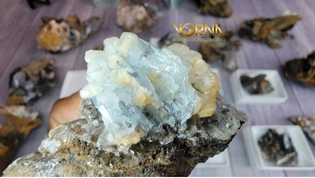
Where to Find Blue Barite
Some of the most famous blue barite deposits are found in Morocco, particularly in the Oujda and Nador regions. Other notable sources include Colorado in the United States, Cumbria in England, and a few regions in Pakistan and Peru. Moroccan blue barite is especially prized for its deep, vibrant blue and crystal clarity. In the U.S., the Stoneham area of Colorado is renowned for producing stunning blue barite clusters with large, blade-like crystals. Each locality imparts slightly different characteristics to the mineral, adding to its desirability among collectors and dealers.
Blue Barite Uses
While blue barite is primarily a collector’s mineral, it has several practical and decorative applications. Industrially, barite is used in drilling muds for oil and gas exploration due to its high density. However, blue barite is too rare and valuable for this purpose. In metaphysical practices, it’s often used for meditation and energy healing. Artists and designers sometimes incorporate it into decorative items, although its softness requires careful handling. The mineral’s vibrant color and aesthetic form make it a centerpiece in display collections and an occasional accent in gemstone jewelry.
Blue Barite Metaphysical Meaning
In metaphysical communities, blue barite is regarded as a high-vibration crystal that enhances communication and spiritual awareness. It’s said to stimulate the third eye and crown chakras, helping users access inner wisdom and psychic abilities. Blue barite is also associated with emotional healing, often used to calm the mind and reduce anxiety or stress. Healers believe it helps clear energetic blockages and encourages honest self-expression. Its soothing blue color is thought to embody tranquility and clarity, making it a favored stone for meditation and spiritual work.
For a closer look at another unique barite variety, check out our article on Green Barite, highlighting its vibrant color and industrial applications.
Blue Barite in Jewelry
Though blue barite is a strikingly beautiful mineral, it is rarely used in mainstream jewelry due to its softness and cleavage. However, skilled artisans occasionally craft it into pendants, earrings, or brooches, particularly in protected settings. The stone’s vivid color makes it desirable despite its fragility. When used in jewelry, it is often coated or stabilized to reduce the risk of chipping or breaking. Collectors prefer untreated pieces in their natural crystal form, but with proper care, blue barite can be a unique and eye-catching gemstone for special-use jewelry.
How to Identify Blue Barite
Identifying blue barite involves a combination of visual inspection and basic mineral testing. The most obvious indicator is its color, which ranges from pale sky-blue to rich, deep blue. It typically forms in tabular, blade-like crystals with a pearly to vitreous luster. Its high density is another clue—blue barite feels heavier than it looks. A scratch test can show it ranks around 3 to 3.5 on the Mohs scale. The mineral has perfect cleavage in one direction, which means it splits easily along flat planes. Using a UV light can help too, as some specimens fluoresce slightly under ultraviolet light.
Caring for Blue Barite
Because blue barite is relatively soft and has perfect cleavage, it requires gentle handling and careful storage. Avoid exposing it to harsh chemicals, ultrasonic cleaners, or extreme temperature changes. When cleaning, use a soft brush or cloth with lukewarm water and mild soap. Always dry thoroughly before storing. Keep blue barite in a padded container away from harder minerals that could scratch it. If used in jewelry, wear it on special occasions rather than daily, and remove it during physical activities. Proper care will help maintain its brilliance and prevent fractures or discoloration.
For a comparison of blue barite with its red counterpart, take a look at our article on Red Barite to explore the differences in color, properties, and uses.
Buying Genuine Blue Barite
When purchasing blue barite, it’s essential to verify authenticity, especially when buying online or from unfamiliar dealers. Start by researching reputable mineral dealers who specialize in collectible specimens. Look for signs of natural growth, such as imperfections and unique crystal formations, which indicate a genuine specimen. Be wary of stones that are too perfectly shaped or unusually bright, as they might be dyed or synthetic. Ask for details on origin—Moroccan blue barite is especially valued. If possible, buy in person or request high-resolution photos to inspect luster, cleavage, and crystal shape. Authenticity certificates from reputable sources are a plus.
Blue Barite Crystal
Blue barite crystal is a stunning mineral formation known for its brilliant shades of blue and unique blade-like structure. These crystals often grow in clusters, displaying perfect cleavage and a glassy luster that enhances their visual appeal. Collectors highly value blue barite crystals due to their rarity and delicate beauty. Found in places like Morocco and Colorado, these crystals are often displayed as natural mineral specimens. Because of their relatively low hardness, blue barite crystals should be handled with care. They are also believed to hold metaphysical properties, making them popular in both geology and spiritual communities.
Blue Baryte
Blue baryte, an alternative spelling for blue barite, refers to the same barium sulfate mineral with a striking blue color. While “barite” is the commonly used term in American English, “baryte” is more frequently seen in British and international contexts. This mineral forms in sedimentary and hydrothermal environments and can range from translucent sky-blue to deep indigo. Blue baryte is sought after by collectors for its beauty and crystal form, often appearing in geode-like cavities. Regardless of the spelling, blue baryte remains a symbol of elegance and a fascinating specimen in the world of mineralogy.
Blue Barite Meaning
The meaning of blue barite extends beyond its geological characteristics, especially in metaphysical and spiritual circles. It is considered a stone of clarity, communication, and inner vision. Many believe that blue barite stimulates the third eye and crown chakras, aiding in spiritual development and intuitive insight. It is also thought to calm the mind, reduce anxiety, and enhance dream recall. Healers often use blue barite for emotional balancing and clearing mental blockages. The stone’s serene color adds to its association with peace, making it a popular choice for meditation and energy healing practices.
Blue Barite for Sale
Blue barite for sale can be found through a variety of online marketplaces, mineral shows, and specialty crystal shops. Prices vary depending on size, clarity, origin, and overall quality of the specimen. Moroccan and Colorado blue barite are among the most highly prized and often come in aesthetic crystal clusters. Buyers should be cautious when purchasing online and look for trusted sellers who provide detailed photos and authenticity information. Whether you’re a collector, healer, or jeweler, buying blue barite offers both beauty and potential metaphysical value. Limited availability makes it a sought-after addition to any crystal collection.
If you’re curious about yellow barite and how it compares to blue barite, read our article on Yellow Barite for a closer look at its characteristics and uses.