

White Barite
White Barite is a versatile mineral, primarily composed of barium sulfate (BaSO₄). As one of the most important industrial minerals, it is commonly used in oil and gas drilling, construction, and even in the production of pigments and coatings. This article explores the formation, properties, applications, and significance of White Barite, shedding light on its importance across various industries and its unique characteristics.
White barite is known for its high purity and is widely used in industrial applications, especially in oil and gas drilling. Its ability to increase the density of drilling fluids makes it a preferred choice for many companies. Discover more about its usage in our Barite Drilling Mud product section.
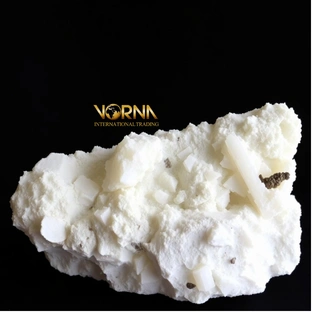
What is White Barite?
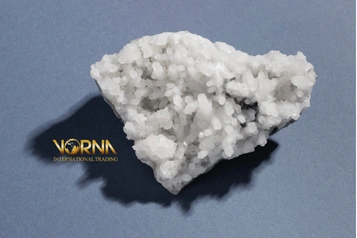
White Barite is a naturally occurring mineral that belongs to the barium sulfate family. It typically presents as a white, colorless, or sometimes pale gray mineral. As one of the most common forms of barite, it is often found in sedimentary rock deposits and hydrothermal veins. The mineral’s high density and inert chemical properties make it valuable in several industries, particularly in oil and gas exploration.
Barite’s name is derived from the Greek word “barys”, meaning “heavy,” referring to its significant density. White Barite, being relatively pure and free from impurities, is especially prized for its use in industries where purity and non-reactivity are important.
Properties of White Barite
The properties of White Barite are what make it so valuable in multiple applications. This mineral has several key physical and chemical characteristics that distinguish it from other minerals:
- High Density: White Barite has a specific gravity ranging between 4.2 and 4.5, which makes it one of the heaviest non-metallic minerals.
- Chemical Inertness: White Barite is chemically stable, non-reactive, and does not dissolve in water, making it ideal for use in environments where stability is key.
- Hardness: With a hardness of around 3 to 3.5 on the Mohs scale, White Barite is relatively soft, which allows for easy processing and use in various industrial processes.
- Opacity and Color: As its name suggests, White Barite is typically white or colorless, although impurities can sometimes give it a slightly grayish hue. Its opaque nature is an important feature, especially in pigmentation applications.
While white barite is known for its purity, Black Barite is valued for its density and industrial strength.
The Formation of White Barite
White Barite forms under specific geological conditions. It is commonly found in sedimentary rocks, particularly in areas with past volcanic activity or where hydrothermal processes have been active. The mineral forms as a result of the precipitation of barium-rich solutions interacting with sulfate-rich water.
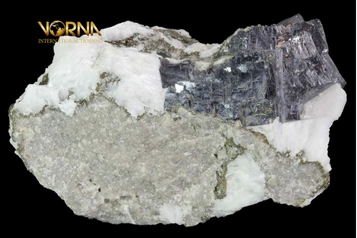
The main process by which White Barite is formed is known as hydrothermal deposition, where hot water carrying dissolved barium reacts with sulfate ions, leading to the crystallization of the mineral. These deposits are often found alongside other minerals like galena, sphalerite, and pyrite in regions with extensive mineralization.
To understand the value of white barite, it’s essential to explore its origin and properties. Read our full guide on What is Barite for more insights.
White Barite in the Oil and Gas Industry
White Barite is a critical component of drilling fluids used in the oil and gas industry. The high density of White Barite helps increase the weight of the drilling fluid, which is crucial for controlling the pressure inside the wellbore during drilling operations.
The use of White Barite in drilling fluids serves multiple purposes:
- Pressure Control: The weight of the fluid helps maintain balanced pressure within the well, preventing blowouts or other pressure-related issues.
- Lubrication and Cooling: It helps reduce friction and heat buildup, thereby protecting drilling equipment.
- Stabilizing the Wellbore: By preventing the collapse of the borehole, White Barite ensures that the well remains stable during drilling.
Due to these properties, White Barite is essential in high-pressure or deepwater drilling scenarios where precise pressure control is necessary.
Industrial Uses of White Barite
Beyond its role in the oil and gas industry, White Barite has a wide range of industrial uses:
- Paint and Coatings: The mineral’s white color and high opacity make it a popular choice for pigments in paints, coatings, and other coloring materials. White Barite is valued for its ability to provide excellent coverage and durability.
- Plastics and Rubber: White Barite is often added to plastics and rubber products as a filler, enhancing the strength, durability, and weight of these materials.
- Cement and Construction: White Barite is used in cement manufacturing, where it enhances the quality of the final product. Its weight and durability improve the cement’s strength and performance in construction applications.
- Radiation Shielding: Due to its high density, White Barite is also used in radiation shielding, particularly in medical and nuclear industries where protection from harmful radiation is necessary.
White Barite in Environmental Applications
White Barite plays a role in environmental management, particularly in water treatment processes. Because of its insolubility in water and resistance to chemical reactions, White Barite can be used as a stabilizing agent in wastewater treatment plants.
Additionally, White Barite is sometimes used in environmental cleanup efforts, such as the containment and remediation of toxic materials. Its inert properties make it a useful material in mitigating environmental hazards without introducing additional contaminants.
In contrast to its pale tone, Red Barite offers a bold appearance and distinct mineral profile.
White Barite Mining
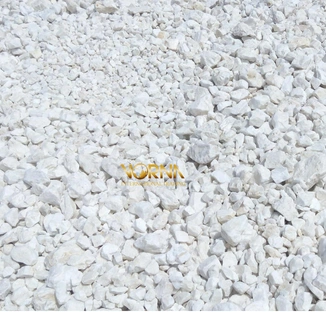
Mining White Barite involves both open-pit and underground mining methods, depending on the size and location of the deposits. The mineral is usually extracted from sedimentary rock layers that contain significant amounts of barium sulfate.
However, there are challenges involved in mining White Barite:
- Environmental Impact: Like many mining operations, White Barite extraction can have environmental consequences, including habitat disruption and pollution. Mining companies must adhere to regulations designed to minimize the impact on local ecosystems.
- Resource Depletion: As demand for White Barite grows, there is concern about the long-term sustainability of natural deposits. Efforts to recycle and reuse White Barite from industrial waste are ongoing.
Global Distribution of White Barite Deposits
White Barite is found in many regions around the world, with the largest deposits located in countries like the United States, China, India, and Morocco. These countries have rich geological formations that contain substantial amounts of barium sulfate, making them significant producers of White Barite.
Understanding the global distribution of White Barite is essential for industries that rely on the mineral for their production processes. The mineral’s availability and price can fluctuate based on extraction rates and global demand.
The Economic Significance of White Barite
The economic significance of White Barite is profound, particularly in the oil and gas industries. Its role in drilling fluids and other industrial applications has made it a key component in global energy production. The mineral is also important for the paint, construction, and manufacturing sectors, where it contributes to the production of durable materials.
As industries expand and the demand for White Barite increases, the economic importance of the mineral continues to grow. It plays a vital role in the global supply chain, particularly in the energy and construction sectors, making it an essential resource for modern industries.
Similar to white barite in composition, Yellow Barite stands out with its warm, golden coloration.
Future Trends in White Barite Production and Usage
The future of White Barite looks promising, with innovations in mining, processing, and recycling paving the way for more sustainable use. As industries continue to evolve, new applications for White Barite are emerging, including its use in advanced manufacturing and technologies.
Moreover, advancements in the extraction process aim to make mining more efficient and less harmful to the environment. With increased awareness of environmental issues, future developments may focus on minimizing the ecological footprint of White Barite production.
White Barite Uses
White Barite has a wide range of uses due to its unique properties, particularly its high density, chemical stability, and color. These characteristics make it valuable across several industries, from oil and gas drilling to manufacturing and construction. Here are some of the key uses of White Barite:
- Oil and Gas Industry: One of the most significant uses of White Barite is in drilling fluids, also known as mud. The mineral’s high density helps in controlling the pressure inside the wellbore during drilling operations. It serves to prevent blowouts and ensures the stability of the drilling process, particularly in deep-water or high-pressure conditions.
- Paints and Coatings: White Barite is used as a pigment in paints and coatings. Its excellent opacity and ability to cover surfaces effectively make it a valuable component in producing durable, high-quality paint products. Its neutral color provides a bright, clean base for white and light-colored paints.
- Plastics and Rubber: In the manufacturing of plastics and rubber, White Barite acts as a filler material. By adding White Barite to these products, manufacturers can enhance their strength, durability, and weight. This makes it ideal for use in automotive parts, consumer goods, and industrial applications.
- Cement Production: White Barite is used in the production of high-quality cement. When mixed with other materials, it enhances the durability and strength of concrete structures, making it ideal for use in construction projects requiring strong, long-lasting foundations.
- Radiation Shielding: Due to its high density, White Barite is often used in radiation shielding, particularly in medical, nuclear, and industrial settings. It is used in protective barriers to shield individuals from harmful radiation, ensuring safety in environments such as hospitals and research facilities.
- Water Treatment: White Barite is also utilized in water treatment processes, where it serves as a stabilizer or neutralizing agent. Its inert nature makes it effective for removing contaminants and maintaining water purity in industrial settings.
These diverse White Barite uses make it an indispensable material in numerous industries, contributing to the production of safer, more durable, and effective products.
White Barite Powder
White Barite powder is the finely ground form of White Barite, retaining all the mineral’s unique properties in a more versatile and usable form. This powder is produced by grinding natural White Barite into fine particles, making it easier to incorporate into various applications. Here are some key features and uses of White Barite powder:
- Industrial Applications: White Barite powder is primarily used in the manufacturing of drilling fluids. When mixed with water or other additives, it forms a slurry that is used to lubricate and cool drilling equipment. The powder’s high density is crucial for maintaining the required weight in drilling fluids, ensuring pressure control in drilling operations.
- Pigments and Paints: White Barite powder is commonly used as a pigment in the production of paints and coatings. Its fine texture and high opacity make it ideal for creating vibrant and durable white or light-colored paints. As a non-toxic material, it is preferred in paints that require safety and environmental consideration.
- Plastic and Rubber Manufacturing: In addition to its role in paints, White Barite powder is also used in the plastics and rubber industries as a filler. The powder enhances the physical properties of these materials, including increased weight, strength, and durability. This makes it suitable for various plastic components and rubber products.
- Cosmetics: White Barite powder is sometimes included in cosmetic formulations, particularly in products that require an inert, non-reactive substance. It is used in some face powders, sunscreens, and other skin-care products to provide texture, coverage, and stability.
- Construction and Cement: White Barite powder is used in the production of high-strength cement and concrete. Its role as a weight-increasing agent helps enhance the stability and strength of building materials. In addition, its chemical stability ensures that it does not react negatively with other components in cement mixtures.
- Medical and Nuclear Applications: The high density of White Barite powder makes it valuable in radiation shielding applications. It is used in the construction of protective barriers that help shield individuals from harmful radiation exposure in hospitals, nuclear power plants, and research labs.
- Water Treatment: In water treatment, White Barite powder is used as a stabilizing agent. Its ability to remain stable and non-reactive in aqueous environments makes it effective in various industrial filtration and treatment processes.
The fine and versatile nature of White Barite powder enhances its usability in a wide range of industries, making it a crucial component for manufacturing, safety, and industrial applications.
Blue Barite presents a rare and striking look compared to the clean and bright nature of white barite.
Green Barite, like white barite, is appreciated both by collectors and industry professionals.


