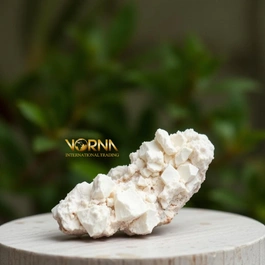
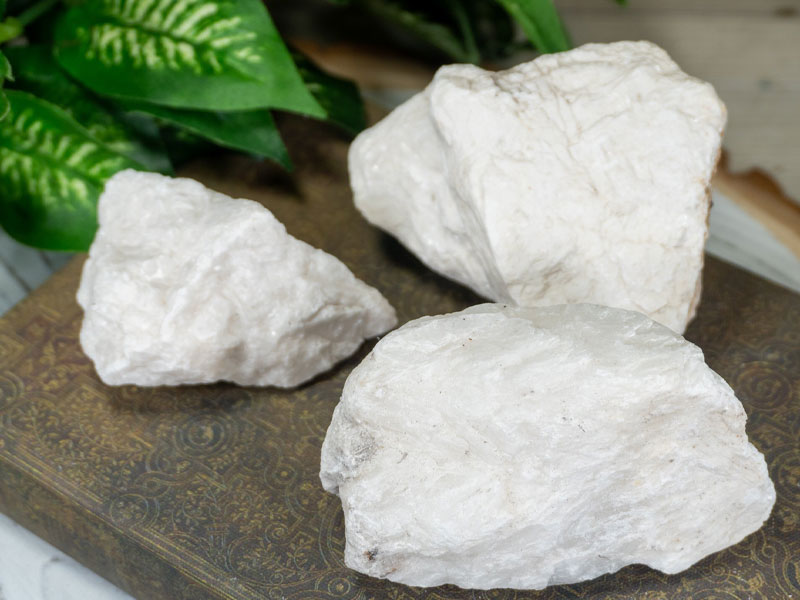
Raw Barite
Raw Barite is a naturally occurring mineral that is primarily composed of barium sulfate (BaSO₄). Due to its high density and unique physical properties, raw Barite plays a critical role in various industrial applications. This mineral is most commonly used in the oil and gas industry as a weighting agent in drilling fluids. It is also valuable in other sectors such as the production of paints, plastics, and medical imaging, among others. Understanding the properties and uses of raw Barite is crucial for its effective application across industries.
Raw barite is a naturally occurring mineral that, after minimal processing, becomes an essential material in drilling operations. Its high specific gravity makes it ideal for increasing the weight of drilling fluids. Learn more about its role in the oil and gas industry in our Barite Drilling Mud product section.

What is Raw Barite?
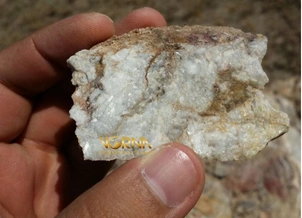
Raw Barite is a mineral primarily composed of barium sulfate (BaSO₄), formed through natural processes like precipitation. The mineral often occurs in sedimentary rocks and can be found in various regions worldwide. Raw Barite is prized for its high specific gravity and its chemical stability, which make it ideal for several industrial uses. The raw form of this mineral is typically extracted through mining processes and is then processed for further applications. Raw Barite can appear in various colors, including white, yellow, brown, and sometimes blue or red, depending on its impurities and the geological environment in which it was formed.
The Properties of Raw Barite
Raw Barite is known for its unique properties that make it highly valuable across multiple industries. The most significant of these is its high density, which ranges from 4.2 to 4.5 g/cm³. This high specific gravity is particularly useful in applications that require heavy materials. Raw Barite is chemically inert, meaning it doesn’t react easily with most substances, which is why it’s used in drilling fluids. Its physical properties include a soft, brittle texture and a crystalline structure. These characteristics make raw Barite easy to process into finer grades that can be used in various formulations, such as drilling mud or paints.
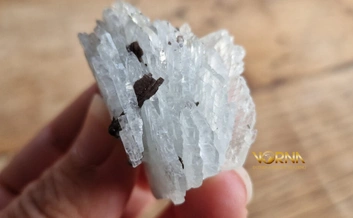
Uses of Raw Barite in Drilling
One of the primary uses of raw Barite is in the oil and gas industry, where it is used in drilling fluids, also known as drilling mud. The high density of raw Barite makes it an ideal weighting agent, which helps control the pressure in the wellbore during drilling operations. This is crucial to prevent the collapse of the well and to ensure the safety and efficiency of the drilling process. Barite also helps prevent blowouts and stabilizes the well by balancing the pressures exerted by the formation fluids. The use of raw Barite in drilling fluids is essential for deepwater drilling and in wells with high-pressure environments.
The Role of Raw Barite in Oil and Gas Industry
The oil and gas industry heavily relies on raw Barite for drilling operations. Raw Barite, when ground into a fine powder, is added to the drilling mud to increase its weight and prevent the well from experiencing dangerous pressure imbalances. This ensures that the drilling operation proceeds smoothly, reduces the risk of equipment failure, and helps the drill bit penetrate deeper formations. Additionally, the presence of Barite in drilling fluids allows for the safe removal of rock cuttings from the wellbore. Without raw Barite, deep drilling and exploration of oil and gas reserves would be significantly more challenging and risky.
The quality of raw barite ore directly influences its weighting capabilities in industrial processes. Discover how variations in mineral purity and particle size affect Barite Specific Gravity and optimize your material selection for consistent results.
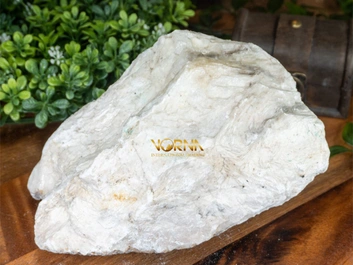
How Raw Barite is Processed?
Raw Barite is typically extracted from mines through either open-pit or underground mining techniques. Once the Barite is mined, it undergoes processing to improve its purity and quality. The processing of raw Barite involves crushing the mineral into smaller particles, followed by grinding it into fine powders. After grinding, the Barite may be washed and chemically treated to remove impurities such as iron or silica, which could reduce its performance in certain applications. The final product is then packaged for distribution and can be used in various industries, including oil and gas, paint production, and even medical imaging.
The Economic Importance of Raw Barite
Raw Barite plays a vital role in the global economy due to its widespread applications in multiple industries. The demand for Barite is especially high in the oil and gas sector, driving significant mining activities and creating jobs in extraction, transportation, and processing. In addition, raw Barite is used in the manufacturing of paints, rubber, plastics, and as a filler in the production of barium compounds. The mineral’s versatility and importance to a wide range of industries make it a valuable commodity. Its economic significance is reflected in the global market for Barite, which is expected to continue growing as the demand for energy and industrial products rises.
Environmental Impact of Raw Barite
The extraction and processing of raw Barite can have significant environmental impacts if not managed properly. Mining operations can lead to habitat destruction, deforestation, and soil erosion. The waste products from Barite processing, including water pollutants and chemical runoff, can contaminate nearby water sources and affect local ecosystems. Additionally, mining activities often result in high energy consumption and carbon emissions. However, many Barite mining companies are now focusing on adopting more sustainable mining practices, such as using more eco-friendly extraction methods and reducing their carbon footprint through improved energy efficiency.
Future Trends for Raw Barite
As the demand for energy and minerals continues to rise, raw Barite is expected to remain a critical material in many industrial applications. With advancements in drilling technologies and the exploration of more complex oil and gas reserves, the demand for Barite in drilling fluids is projected to grow. Moreover, as industries such as the automotive and construction sectors expand, raw Barite will continue to be valuable as a weighting agent and filler in manufacturing processes. There is also potential for new applications in emerging technologies, such as in radiation shielding for medical and nuclear industries. The future of raw Barite looks promising as industries seek more efficient, sustainable solutions.
To better understand the applications and value of raw barite, check out our in-depth guide on What is Barite and explore its key physical and industrial properties.