Red Barite
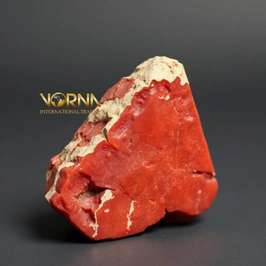
Red Barite is a unique variety of the mineral barite, known for its distinctive red color. Like other types of barite, it is composed primarily of barium sulfate (BaSO₄), but its red hue sets it apart. Red Barite is found in several geological environments and has a range of uses across industries. Its unique appearance and properties make it highly valued, particularly in fields like geology, industrial applications, and even art. This mineral’s high density, chemical stability, and ease of processing have led to its widespread use in drilling fluids, paints, and as a source of barium in various chemical applications.
Red Barite, like other barite varieties, is widely used in Barite Drilling Mud for its high density. It helps control well pressure during drilling operations, making it essential in the oil and gas industry.
What is Red Barite?
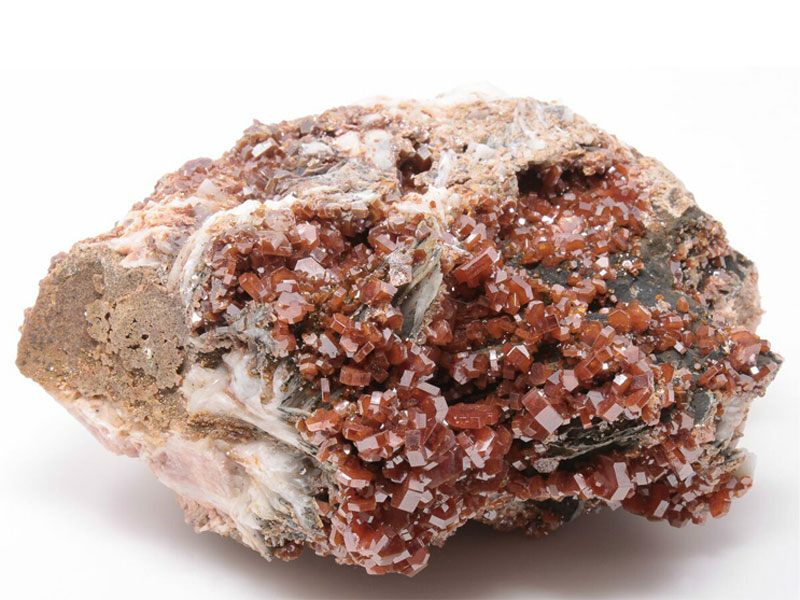
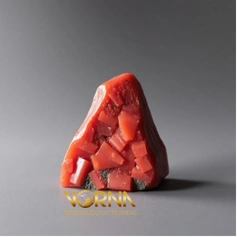
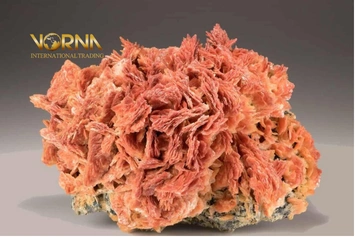
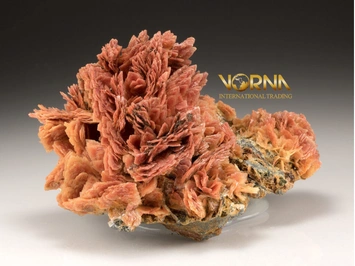
Red Barite is a form of barite that features a vibrant red or reddish-brown color. The color arises due to impurities or trace elements within the mineral’s crystal structure, making it one of the more aesthetically appealing varieties of barite. This mineral is chemically identical to other types of barite, primarily composed of barium sulfate (BaSO₄). However, its visual appeal and rarity make it a preferred material for collectors, decorators, and industries that value unique mineral forms. Red Barite is often found in sedimentary rock formations and can be extracted alongside other forms of barite, like white or blue barite.
Red Barite Mineral Properties
Red Barite shares many of the fundamental properties of the standard barite mineral. These properties include a high density (typically between 4.3 and 4.7 g/cm³), a relatively soft hardness (3–3.5 on the Mohs scale), and excellent cleavage, which makes it break easily along flat planes. Its specific gravity is high, making it ideal for applications where weight is a key factor, such as in drilling mud. Additionally, the red coloration does not affect its chemical properties, meaning it retains the same stability and resistance to chemical weathering as other barite varieties. The mineral’s transparency is generally poor, with most specimens being opaque or translucent.
Red Barite is a distinct variety of Barite, known for its red color and similar industrial applications, such as in drilling fluids and chemical production.
Red Barite Chemical Composition
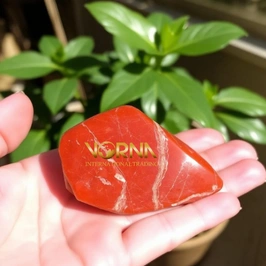
The chemical composition of Red Barite is primarily barium sulfate (BaSO₄). The barium element (Ba) gives the mineral its high density and heavy weight, while the sulfate component (SO₄) contributes to its chemical stability. Although Red Barite is chemically identical to other types of barite, it may contain trace elements such as iron, copper, or manganese, which are responsible for the mineral’s red coloring. These elements do not significantly alter the primary properties of barite but do enhance the aesthetic appeal of the mineral, making it highly sought after by collectors and decorators.
Red Barite Uses
Red Barite, like other types of barite, has a wide range of industrial uses. Its high density and chemical stability make it an essential component in oil and gas drilling. It is commonly used in Barite Drilling Mud to control pressure during drilling operations. Beyond the drilling industry, Red Barite also finds applications in the production of barium chemicals, such as barium carbonate and barium hydroxide. Additionally, due to its striking appearance, Red Barite is sometimes used in ornamental jewelry and decorative objects. It can also be used in the production of paints, rubber, and plastics as a filler material.
For more on another color variant, explore Green Barite, which shares many of the same properties as Red Barite.
Where is Red Barite Found?
Red Barite is typically found in sedimentary rock formations, especially in hydrothermal veins, limestone, and shale deposits. It is often discovered alongside other types of barite, such as white, blue, or yellow varieties, and can be sourced from several countries around the world. Notable deposits of Red Barite can be found in regions such as the United States, Mexico, and various parts of Europe and Asia. The mineral tends to form in areas with significant barium and sulfate concentrations, where the right environmental conditions allow for the crystallization of barite.
The Significance of Red Barite in the Oil Industry
In the oil and gas industry, Red Barite serves the same purpose as other forms of barite: as a Barite Drilling Mud component. The high density of Red Barite helps to control well pressure and prevent blowouts during drilling operations. It is particularly useful in high-pressure drilling scenarios, as the mineral’s weight is critical in preventing the influx of gases or other fluids into the borehole. While Red Barite is not as commonly used as other barite colors, its specialized properties make it an essential material in certain drilling environments.
Physical Properties of Red Barite
The physical properties of Red Barite are almost identical to those of standard barite, with a few distinctions due to its coloration. Red Barite is dense and heavy, with a specific gravity ranging from 4.3 to 4.7 g/cm³. It has a Mohs hardness of 3–3.5, making it a relatively soft mineral that can be easily processed. Its cleavage is excellent, breaking along smooth, flat planes. The red coloration of the mineral does not significantly impact its transparency, which is typically opaque to translucent. The luster of Red Barite is vitreous, giving it a shiny, glass-like appearance when cut and polished.
Check out Blue Barite for an in-depth look at the striking blue variant of this versatile mineral.
How Red Barite Forms in Nature
Red Barite forms in a variety of geological environments, but it most commonly occurs in sedimentary rock formations. The mineral is often precipitated from barium-rich solutions in hydrothermal veins or from the evaporation of water in mineral-rich deposits. During the formation process, trace elements such as iron, manganese, or copper are incorporated into the crystal structure of the barite, giving it the distinctive red color. Red Barite can also form in areas of high pressure and temperature, where chemical reactions between sulfate and barium ions occur, leading to the crystallization of barium sulfate.
Red Barite in Geology
Geologists study Red Barite because it can be indicative of certain geological processes and environments. The presence of Red Barite in rock formations often signals hydrothermal activity, where hot, mineral-rich fluids have altered the surrounding rocks. In addition to its use in industry, Red Barite is of interest to mineralogists and geologists who seek to understand the conditions under which it forms. Its unique color also makes it a valuable specimen for collectors, adding to its scientific and aesthetic appeal.
Red Barite vs Other Forms of Barite
While Red Barite shares many physical and chemical properties with other types of barite, its distinctive color sets it apart. Unlike the more common white or colorless barite, Red Barite’s vibrant hue comes from trace elements such as iron and copper, making it more attractive to collectors and decorative industries. Despite the color difference, all forms of barite are used in similar industrial applications, particularly in drilling fluids and the production of barium chemicals. However, Red Barite is often less abundant and may be more expensive than other varieties due to its rarity and aesthetic appeal.
Red Barite in the Jewelry Industry
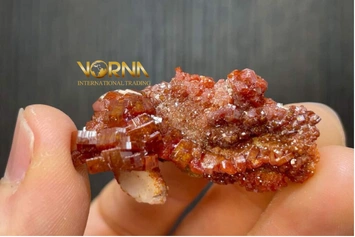
Red Barite’s striking color makes it an attractive option for use in the jewelry industry. Although not as commonly used as gemstones, Red Barite is occasionally cut and polished into cabochons or other ornamental forms. Its unique red color adds a distinctive touch to jewelry pieces, and it is sometimes used in beaded jewelry or as a decorative element in other accessories. However, because of its relatively soft hardness, it is not as durable as other gemstones and is typically used in non-wearable pieces or as part of collectible collections.
Environmental Considerations and Red Barite
While Red Barite is generally considered non-toxic and environmentally safe, its extraction and mining can have an impact on local ecosystems. As with any mining activity, the process of extracting Red Barite requires careful management to prevent habitat destruction and water contamination. Sustainable mining practices are essential to ensure that Red Barite extraction does not cause long-term environmental harm. Additionally, the transportation and processing of Red Barite should follow environmental regulations to minimize its carbon footprint and ecological impact.
Red Barite’s Role in Drilling Fluids
Red Barite is commonly used in drilling fluids, particularly in high-pressure and deep-well drilling operations. Its high density makes it ideal for use as a Barite Drilling Mud, where it helps to stabilize the wellbore and control pressure during drilling. The addition of Red Barite to drilling mud ensures that the pressure inside the well is maintained at a safe level, preventing blowouts and other dangerous situations. The mineral’s chemical stability also allows it to withstand harsh conditions deep underground, where it may encounter high temperatures and aggressive chemical reactions.
Future Trends in the Use of Red Barite
As the demand for Red Barite continues to grow, especially in specialized drilling applications, it is likely that more advanced mining and processing techniques will be developed. This may lead to greater availability and potentially lower costs for Red Barite. Additionally, as industries increasingly focus on sustainable and environmentally friendly practices, there may be more emphasis on the eco-friendly extraction and processing of Red Barite. The versatility and high value of Red Barite will likely ensure its continued use across multiple industries in the years to come.
Learn about Yellow Barite, another variation of this mineral, and its unique applications.