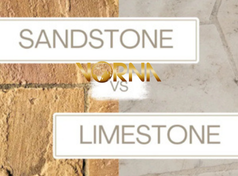

Sandstone vs Limestone
When it comes to natural stones, sandstone and limestone are two of the most commonly used options in construction, landscaping, and architectural designs. Despite both being sedimentary rocks, these two materials differ significantly in their composition, texture, and suitability for various uses. Sandstone is made up primarily of sand-sized mineral grains, whereas limestone is mostly composed of calcium carbonate, usually from marine organisms such as shells, coral, and algae.
The formation process of each stone also contributes to its properties. Sandstone is formed through the compression of sand particles, while limestone forms when calcium carbonate precipitates or accumulates over time. This fundamental difference in their makeup leads to variations in their physical characteristics such as porosity, color, and texture. Understanding these differences will help determine the ideal material for your project, whether it’s for flooring, outdoor structures, or decorative elements.
If you’re exploring different types of natural materials, What is Bentonite Clay Food Grade might interest you, as it’s another versatile substance used in various industries.
What is Sandstone and Limestone?
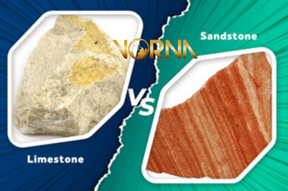
Sandstone is a clastic sedimentary rock primarily composed of sand-sized particles, such as quartz or feldspar, which are cemented together over millions of years. It forms in a variety of environments, from deserts to riverbeds, where sand particles accumulate and undergo compression. The color of sandstone can vary significantly, depending on the minerals in the rock. Sandstone can be yellow, red, brown, or even white.
Limestone, on the other hand, is composed mainly of calcium carbonate. This stone typically forms in marine environments where the remains of sea creatures like coral, shells, and plankton accumulate and bind together. Over time, the calcium carbonate precipitates and solidifies, creating the limestone. The color of limestone is usually light, ranging from white to gray, but it can also take on brown or tan hues depending on impurities in the stone.

Sandstone vs Limestone: Composition and Formation
The composition of both sandstone and limestone is essential to understanding their differences. Sandstone’s primary component is quartz, a very hard mineral, which gives it its durable and gritty texture. Its composition may include feldspar, clay, and other minerals that influence its color and appearance. Sandstone forms when sand-sized particles are compacted and bound together by natural cement, usually silica or calcium carbonate.
In contrast, limestone is formed when calcium carbonate precipitates from water, typically in marine settings. It may contain fossils of marine organisms, which add to its unique texture and appearance. Limestone can also form in caves, where stalactites and stalagmites are created by the evaporation of water. The key difference between sandstone and limestone in terms of formation is that limestone often contains biological materials, whereas sandstone is purely mineral-based.
For those in need of quality raw materials, you may also want to check out Bentonite Suppliers who provide reliable sources of bentonite for a variety of uses.
Aesthetic Differences: Sandstone vs Limestone
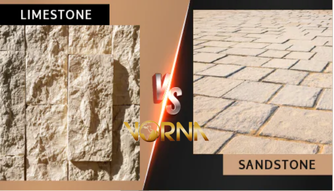
Aesthetic appeal plays a significant role in choosing between sandstone and limestone for a project. Sandstone tends to have a more varied and colorful appearance, ranging from golden hues to reddish browns, depending on the mineral content. The rough texture of sandstone gives it a more natural, rustic look, which makes it a popular choice for exterior features like garden walls, walkways, and patios.
On the other hand, limestone has a much smoother, finer texture and often has a uniform appearance. Its typical colors are light, ranging from creamy white to light gray, although it can sometimes have brownish or tan streaks. The smooth surface and neutral colors of limestone make it an ideal choice for interior applications, such as flooring, countertops, and decorative accents in homes and commercial buildings. For high-end architectural projects, limestone is often preferred for its elegance and timeless beauty.
In comparison to sandstone and limestone, What is Ball Clay is another type of clay that plays a significant role in ceramics and industrial applications.
Durability of Sandstone vs Limestone
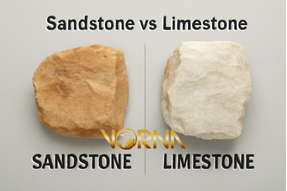
Both sandstone and limestone are durable, but their properties make them suited for different environmental conditions. Sandstone is a relatively porous material, meaning it can absorb water and may stain easily. However, this porosity makes sandstone excellent for outdoor applications where slip resistance is needed. It also provides better traction for walkways and outdoor surfaces that will be exposed to weathering.
Limestone, on the other hand, is denser and less porous than sandstone, which makes it more resistant to water damage and stains. It is more durable in environments with high moisture levels, like bathrooms or kitchens. However, limestone’s relatively soft composition can make it prone to scratching, particularly when used in high-traffic areas or exposed to harsh conditions. It also tends to weather over time when exposed to acidic conditions, which can lead to surface erosion.
Best Uses for Sandstone and Limestone
Each stone has its specific set of uses based on its characteristics. Sandstone is often used in construction projects, landscaping, and outdoor features due to its natural look and durability. It is ideal for creating rustic garden walls, patio stones, and walkways. Sandstone is also used for cladding on buildings to give them a more traditional or earthy appearance.
Limestone, due to its smooth texture and refined appearance, is typically used in interior design for things like flooring, kitchen countertops, and bathroom vanities. It is also widely used for architectural stonework and sculptures. Its smooth finish makes it a popular material for polished surfaces, and it is often the preferred choice for high-end commercial and residential buildings. Additionally, limestone is used in the production of cement and is an essential ingredient in industrial applications.
Pros and Cons of Sandstone vs Limestone
Each stone has its advantages and disadvantages that must be considered before making a selection.
Pros of Sandstone:
- Highly durable and weather-resistant.
- Offers a wide range of colors, making it suitable for various design styles.
- Ideal for outdoor use due to its non-slip surface.
- Less expensive than limestone in many cases.
Cons of Sandstone:
- More porous, which can lead to water absorption and staining.
- Requires regular maintenance to preserve its appearance.
Pros of Limestone:
- Smoother texture and more refined appearance.
- Less porous, making it more resistant to staining and water damage.
- Ideal for indoor applications, especially in high-end designs.
Cons of Limestone:
- Softer than sandstone, which makes it prone to scratching and chipping.
- May weather more quickly in harsh conditions.
If you’re considering sustainable options, Bentonite Clay Cat Litter is a great product that combines the properties of bentonite with pet care.