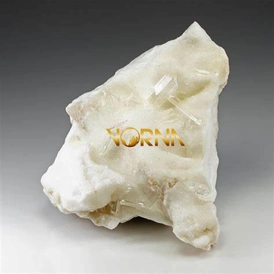

What is Gypsum
Gypsum is a naturally occurring mineral composed of calcium sulfate dihydrate, widely used in multiple industries due to its versatility. Found in sedimentary rock formations, gypsum is soft, easy to shape, and highly adaptable. It has been valued for centuries in construction, agriculture, and art. The mineral is essential for creating products like plaster, drywall, and fertilizers. Its fire-resistant and insulating properties make it a core material in modern infrastructure. Understanding gypsum is crucial for industries seeking sustainable and durable solutions for building and agricultural needs.
History of Gypsum
The history of gypsum goes back thousands of years, with its use traced to ancient civilizations. Egyptians used gypsum plaster for the interiors of the Pyramids, taking advantage of its smooth finish and durability. Ancient Greeks and Romans also valued gypsum for making decorative elements and sculptures. In medieval Europe, gypsum plaster was common in building ornate cathedrals and palaces. Over time, the material evolved with new technology, leading to the invention of drywall in the 20th century. Today, gypsum continues to be a trusted resource, blending traditional craftsmanship with modern construction techniques.
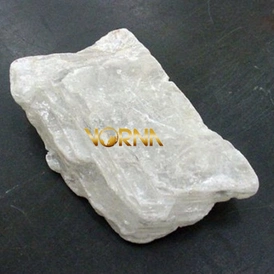
Gypsum Composition
The chemical composition of gypsum is calcium sulfate dihydrate (CaSO₄·2H₂O), which means each molecule contains two molecules of water. This composition gives gypsum its unique ability to be molded when mixed with water and hardened upon drying. Its softness, measuring 2 on the Mohs hardness scale, makes it easy to work with, while still providing strength in construction applications. The water content in gypsum also contributes to its natural fire resistance, as it releases moisture when exposed to high temperatures. This chemical structure ensures gypsum remains both functional and sustainable in various industries.
Types of Gypsum
There are several types of gypsum, each suited for specific applications. Natural gypsum is mined directly from the earth and processed for industrial use. Synthetic gypsum, often a byproduct of flue-gas desulfurization in power plants, is widely used to reduce waste and promote recycling. Other specialized forms include selenite, alabaster, and satin spar, which are valued for their crystalline appearance and decorative uses. In construction, distinctions are also made between plaster of Paris and hydrated gypsum, depending on the level of heating applied. Each type of gypsum offers unique qualities, making it adaptable to diverse needs across industries.
Gypsum Mining and Processing
Gypsum mining involves extracting the mineral from surface quarries or underground mines, depending on deposit depth. Once mined, gypsum is crushed and ground into fine particles, then subjected to a heating process known as calcination. This removes part of its water content, transforming it into plaster of Paris or other gypsum products. Processing methods ensure the final material is consistent, safe, and ready for industrial use. Advanced manufacturing also enables recycling of gypsum waste from demolished buildings, creating a circular economy. Mining and processing play a critical role in ensuring a reliable supply for global construction and agricultural demands.
Gypsum in Construction
Gypsum is one of the most widely used materials in the construction industry. It is the main component of drywall, also known as gypsum board or plasterboard, which provides smooth walls and ceilings in modern buildings. Its natural fire resistance makes it an excellent choice for fire-rated structures, while its insulating properties help regulate indoor temperatures. Gypsum plaster is also used for decorative finishes, false ceilings, and partition walls. Its versatility allows architects and builders to design lightweight, durable, and aesthetically pleasing spaces. Gypsum continues to be a cornerstone of construction technology worldwide, offering sustainable and efficient solutions.
Benefits of Gypsum
The benefits of gypsum extend far beyond its easy availability. In construction, it provides fire resistance, sound insulation, and moisture regulation, improving indoor air quality. Its lightweight nature reduces structural loads, making it ideal for high-rise buildings. Gypsum is also highly recyclable, contributing to sustainable building practices. In agriculture, gypsum improves soil structure, enhances water infiltration, and supplies essential nutrients like calcium and sulfur. Additionally, its adaptability across industries makes it a cost-effective material with long-lasting performance. These benefits explain why gypsum remains a preferred material in modern infrastructure, farming, and industrial applications.
Gypsum in Agriculture
Gypsum has long been recognized as a valuable soil conditioner in agriculture. Farmers use it to improve soil texture, reduce compaction, and enhance root growth. The calcium and sulfur in gypsum provide essential nutrients that support healthy crop development. Unlike lime, gypsum does not alter soil pH, making it suitable for a wide range of soils. It also helps reduce sodium levels in saline soils, restoring fertility in degraded lands. Additionally, gypsum improves water infiltration and reduces surface crusting, promoting higher yields. Its eco-friendly nature makes it an essential input for sustainable agricultural practices around the world.
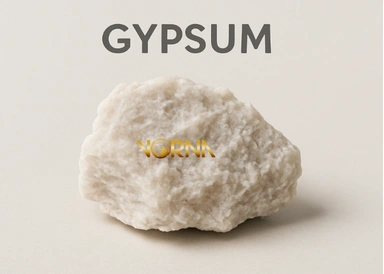
Industrial Uses of Gypsum
Beyond construction and agriculture, gypsum has numerous industrial applications. It is a critical ingredient in cement production, where it controls the setting time of concrete. In the ceramics industry, gypsum molds are used for shaping pottery and porcelain. The food industry also relies on gypsum as a coagulant in products like tofu and as a dietary calcium supplement. Pharmaceutical companies use gypsum in some medications as an inactive ingredient. Additionally, synthetic gypsum helps reduce industrial emissions by repurposing byproducts. These diverse applications demonstrate the wide-reaching importance of gypsum across global industries, far beyond its traditional role in construction.
Gypsum vs Other Materials
When compared to other building materials, gypsum stands out for its lightweight and fire-resistant properties. Unlike cement or concrete, gypsum is easier to handle and quicker to install, making it ideal for interior applications. While wood can rot and metal may corrode, gypsum is more stable and resistant under controlled conditions. Unlike lime or clay plasters, gypsum provides a smoother and more uniform finish. Its recyclability also gives it an edge in sustainable building practices. These unique advantages position gypsum as a preferred alternative in construction, especially for projects where speed, safety, and environmental considerations are priorities.
Environmental Impact of Gypsum
The environmental impact of gypsum depends on how it is sourced and processed. Natural gypsum mining can disrupt landscapes, though rehabilitation practices are often applied. Synthetic gypsum, produced as a byproduct of industrial processes, reduces waste and supports recycling efforts. Gypsum products are also highly recyclable, contributing to a circular economy in construction. Additionally, gypsum’s ability to improve soil health plays an important role in sustainable agriculture. While energy is required for processing, innovations in technology continue to reduce its carbon footprint. Overall, gypsum has a more favorable environmental profile compared to many other building materials.
Future of Gypsum
The future of gypsum lies in sustainability, innovation, and expanding applications. As industries seek eco-friendly materials, gypsum’s recyclability and versatility make it a vital resource. Research is focused on creating advanced gypsum-based products with improved durability, water resistance, and lightweight properties. In agriculture, gypsum is expected to play a greater role in addressing soil degradation and food security challenges. The integration of synthetic gypsum will further reduce industrial emissions and support a circular economy. With rising global demand for sustainable construction, gypsum will remain at the forefront, shaping the future of architecture, farming, and industrial progress.