
What is Sodium Hydroxide?
Sodium Hydroxide (NaOH), commonly known as lye or caustic soda, is a highly caustic chemical compound that is widely used across various industries. It is an inorganic compound, characterized by a white, odorless solid in its pure form, and it dissolves easily in water, forming a strongly alkaline solution. Sodium hydroxide plays a vital role in chemical manufacturing, water treatment, soap production, and even food processing. The chemical formula NaOH tells us that each molecule consists of a sodium ion (Na⁺) and a hydroxide ion (OH⁻), which give it its highly corrosive properties. Due to its versatility, sodium hydroxide is considered one of the most important industrial chemicals in the world.
Sodium hydroxide, widely used in industries ranging from paper production to chemical manufacturing, is also known as What is Caustic Soda. Understanding the similarities and differences between these terms is essential for choosing the right material for your application.
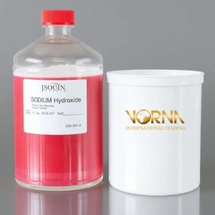
Sodium Hydroxide
Sodium Hydroxide (NaOH), commonly known as caustic soda or lye, is a highly alkaline chemical compound with a wide range of industrial applications. It is a white, odorless, and highly corrosive solid that readily dissolves in water to form a strong alkaline solution. This solution is capable of neutralizing acids, making it essential in various chemical reactions and industrial processes. Sodium hydroxide is typically produced through the chloralkali process, where sodium chloride (salt) undergoes electrolysis. Due to its strong reactivity, sodium hydroxide is used in the manufacture of soap, detergents, paper, textiles, and chemicals, and it is also a key ingredient in water treatment and petroleum refining. Despite its usefulness, it is extremely dangerous and must be handled with caution, as it can cause severe burns and damage to tissues upon contact.
Chemical Formula of Sodium Hydroxide
The chemical formula of Sodium Hydroxide is NaOH. It consists of:
- Na (Sodium): A highly reactive alkali metal.
- O (Oxygen): An element that is essential for the formation of hydroxide (OH⁻) ions.
- H (Hydrogen): Combines with oxygen to form the hydroxide ion (OH⁻).
Sodium hydroxide is a simple ionic compound where the sodium ion (Na⁺) is bonded to the hydroxide ion (OH⁻). In aqueous solutions, it dissociates completely into these ions, resulting in a strong alkaline solution. The formula NaOH reflects this ionic structure and plays a crucial role in various chemical and industrial processes.

Properties of Sodium Hydroxide
Sodium hydroxide exhibits several notable physical and chemical properties that make it a valuable substance for industrial applications. It is a white, crystalline solid at room temperature but can be found in liquid form when dissolved in water. When NaOH dissolves, it dissociates into sodium ions (Na⁺) and hydroxide ions (OH⁻), creating an aqueous solution that is highly alkaline. This solution has a pH value typically ranging from 12 to 14, which is much higher than that of household ammonia.
In addition to its strong basicity, sodium hydroxide is hygroscopic, meaning it has a tendency to absorb moisture from the environment. It can also react vigorously with acids, producing heat and resulting in the formation of water and salts. This makes sodium hydroxide useful in neutralizing acids in various industrial processes. When exposed to carbon dioxide, sodium hydroxide can form sodium carbonate, another valuable chemical. However, its strong corrosive nature also means that it must be handled with care to avoid damaging materials or posing a health risk.
Production Process of Sodium Hydroxide
The production of sodium hydroxide primarily involves the chloralkali process, which is a key method for obtaining both sodium hydroxide and chlorine gas. The process requires an electrolyte solution, typically a saltwater solution, and involves passing an electric current through it. This electrolysis process leads to the breakdown of sodium chloride (NaCl) into sodium hydroxide (NaOH) at the cathode, chlorine gas (Cl₂) at the anode, and hydrogen gas (H₂) at the cathode. The chlorine and hydrogen gases are collected and used for various industrial applications, while sodium hydroxide is separated as the key byproduct.
This method is both energy-intensive and efficient, making sodium hydroxide widely available for commercial use. The demand for sodium hydroxide is directly linked to the global production of chlorine and hydrogen, which are used in a wide array of products such as plastics, solvents, and disinfectants.
Sodium hydroxide plays a role in certain refining and processing methods that can be applied to minerals like Mineral Orange Salt. Its chemical properties support purification and treatment steps in various industrial applications.
Handling and Safety of Sodium Hydroxide
Due to its highly caustic nature, sodium hydroxide poses significant risks if not handled properly. Exposure to sodium hydroxide can cause severe burns and tissue damage. When in contact with skin or eyes, it can lead to severe irritation or even permanent damage. Inhalation of its fumes can cause respiratory distress and long-term damage to the lungs. For this reason, it is essential to wear protective gear, including gloves, goggles, face shields, and lab coats when working with sodium hydroxide.
In the event of a spill or exposure, immediate action is crucial. Contaminated skin should be rinsed with water for at least 15 minutes, and eye contact should be flushed with copious amounts of water before seeking medical attention. Sodium hydroxide should be stored in a cool, dry place, away from incompatible materials like acids, metals, and combustibles. Special care should be taken to ensure that sodium hydroxide containers are tightly sealed to prevent moisture absorption from the air.
Environmental Impact and Disposal of Sodium Hydroxide
While sodium hydroxide is essential in various industries, improper disposal or release into the environment can cause significant damage. If discharged into water bodies, sodium hydroxide can increase the pH levels of the water, creating an alkaline environment that is harmful to aquatic life. High pH levels can disrupt the natural balance of ecosystems and cause the death of fish and other marine organisms.
To mitigate these effects, sodium hydroxide waste should always be neutralized with an acid before disposal. This process, known as neutralization, ensures that the pH levels of the waste are brought to a safe range. Additionally, industries that use large quantities of sodium hydroxide must comply with environmental regulations that govern the safe storage, handling, and disposal of hazardous chemicals.
Applications of Sodium Hydroxide
Sodium hydroxide is an incredibly versatile compound used in various industrial sectors, including the chemical industry, paper and pulp industry, petroleum refining, and water treatment. In the chemical industry, sodium hydroxide is a key reagent in the manufacture of products like sodium carbonate, caustic potash, and soaps. It is used in processes such as the hydrolysis of fats to create glycerol and soap in a process called saponification. The pulp and paper industry uses sodium hydroxide to break down wood fibers and produce paper pulp. This is an essential step in the Kraft process, which is one of the most common methods of producing paper.
In petroleum refining, sodium hydroxide is used to remove sulfur compounds and other impurities from crude oil, improving the quality of the final product. Sodium hydroxide is also integral to the water treatment industry, where it helps to neutralize acidic waste products and adjust the pH of drinking water to safe levels. In municipal water treatment, it is also used to remove harmful metals like lead and copper by forming insoluble precipitates.
Sodium Hydroxide in Food Processing
In food processing, sodium hydroxide is used in the nixtamalization of corn, where the kernels are soaked in a sodium hydroxide solution to soften them and make them more digestible. This process is a key step in the production of traditional foods like tortillas, tamales, and masa. Sodium hydroxide is also used in certain candy-making processes, such as in the production of pretzels, where it gives the dough its characteristic brown color and flavor after baking.
Although sodium hydroxide is used in food processing, it is strictly regulated to ensure that any traces of the compound in the final product are neutralized. The Food and Drug Administration (FDA) and other regulatory bodies establish strict guidelines to ensure the safe use of sodium hydroxide in food production, ensuring that it does not pose a risk to consumers.
The chemical characteristics of sodium hydroxide make it a useful companion in the processing of minerals such as Celestine. Its reactivity aids in extraction and purification processes, ensuring higher quality mineral output.
The chemical characteristics of sodium hydroxide make it a useful companion in the processing of minerals such as Celestine. Its reactivity aids in extraction and purification processes, ensuring higher quality mineral output.
Sodium Hydroxide in Cleaning and Degreasing
Sodium hydroxide is highly effective at breaking down oils, fats, and other tough contaminants, making it an essential component in many industrial cleaning applications. It is commonly used in the food industry for cleaning and sanitizing equipment and surfaces. Its powerful degreasing abilities make it ideal for cleaning ovens, grills, and other equipment used in food preparation. Sodium hydroxide-based cleaners can also be found in industrial settings for cleaning machinery, automotive parts, and even oil rigs, where heavy grease and oils are prevalent.
In addition, sodium hydroxide is commonly used in drain cleaning products to break down grease, hair, and other clogs in pipes, ensuring smooth wastewater flow. However, due to its caustic nature, these products should be used with caution.
Sodium Hydroxide in Water Treatment
One of the primary uses of sodium hydroxide is in water treatment, where it plays a critical role in ensuring the safety and quality of drinking water. Sodium hydroxide is used to neutralize acidic water, adjusting the pH to a safe, neutral level. This is particularly important in industries where wastewater must be treated to remove harmful substances, such as in mining or chemical production. In addition to neutralizing acids, sodium hydroxide is used in water treatment to remove impurities, including heavy metals, from the water. The hydroxide ions in sodium hydroxide help to precipitate these metals out of solution, making it easier to filter and remove them.
In municipal water treatment plants, sodium hydroxide is also used to soften water by removing calcium and magnesium ions, which can cause scaling in pipes and water systems. The compound is also crucial in desalination plants, where it is used to treat brine and help remove contaminants from seawater.
Sodium Hydroxide in Soap and Detergent Production
Sodium hydroxide has been used for centuries in the production of soap. It reacts with fats and oils in a process known as saponification, where triglycerides (fats and oils) are broken down into glycerol and fatty acid salts, forming soap. This chemical reaction is one of the oldest and most well-known uses of sodium hydroxide. In fact, soap was originally made using animal fat and lye, a term often used to refer to sodium hydroxide.
The detergent industry also depends on sodium hydroxide for cleaning purposes. The alkaline nature of sodium hydroxide makes it effective at breaking down grease, oils, and other tough stains, which is why it is commonly used in industrial cleaners. Furthermore, sodium hydroxide can be found in the formulation of products like oven cleaners, drain openers, and heavy-duty degreasers, where its ability to dissolve stubborn buildups is highly valuable.
In drilling operations, sodium hydroxide can help adjust the pH and improve the performance of Bentonite Clay Drilling Mud. This combination enhances fluid viscosity and drilling efficiency, making it a valuable solution in oil and gas exploration.