What is Sodium Hydroxide?
Sodium Hydroxide (NaOH), also widely known as caustic soda or lye, is a fundamental inorganic chemical compound with immense industrial and scientific significance. As one of the most powerful strong bases in chemistry, it plays a critical role in the manufacturing of everything from paper and soap to pharmaceuticals and water treatment chemicals. This comprehensive guide provides an in-depth look at what sodium hydroxide is, its unique properties, how it is synthesized, and the strict safety protocols required for its handling.
Sodium hydroxide, widely used in industries ranging from paper production to chemical manufacturing, is also known as Caustic Soda. Understanding the similarities and differences between these terms is essential for choosing the right material for your application.
What is NaOH?
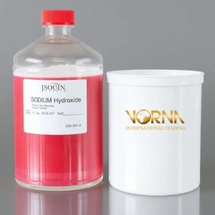
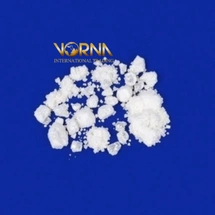
NaOH, or sodium hydroxide (caustic soda), is a strong inorganic base widely used in chemical manufacturing, soap production, and water treatment due to its high alkalinity and reactivity. It is commercially available in solid forms such as flakes and pellets, as well as liquid sodium hydroxide solutions in various concentrations.
sodium hydroxide properties
|
Field |
Value |
| pH (sodium hydroxide ph) |
10.98 (1 mM solution); 11.95 (10 mM solution); 12.88 (100 mM solution) |
|
Indicator pH Range |
13 – 14 |
|
Melting Point |
681 ~ C (lit.) |
| Boiling Point |
1390 ~ C |
|
Flash Point |
176-178 ~ C |
| Density |
1.515 g/mL at 20 ~ C |
|
Vapor Density |
<1 (vs air) |
| Vapor Pressure |
1 mm Hg (745 ~ C) |
|
Refractive Index |
1.473-1.475 |
| Storage Condition |
room temp |
|
Solubility |
H2O: 1 M at 20 ~ C, clear, colorless |
| Form |
Pearls |
|
Specific Gravity |
2.13 |
|
Color |
White |
| Odor |
Odorless |
|
Water Solubility |
SOLUBLE |
| Sensitivity |
Air Sensitive & Hygroscopic |
|
Decomposition |
176-178 ~ C |
|
Dielectric Constant |
57.5 (25 ~ C) |
|
Stability |
Hygroscopic |
| CAS |
1310-73-2 |
Hydroxide Sodium (NaOH), commonly known as Caustic Soda, is a versatile industrial chemical available as a white crystalline solid or a highly alkaline liquid. With a pH range of 12 to 14, it dissociates into Na+ and OH- ions in water, making it a powerful base for high-precision industrial applications. Beyond its basicity, NaOH is highly hygroscopic, efficiently absorbing environmental moisture. Its ability to neutralize acids and react with CO2 to form Sodium Carbonate makes it essential for chemical processing. However, due to its corrosive nature, professional handling is required to ensure safety and material integrity.
sodium hydroxide formula
The chemical formula of sodium hydroxide is NaOH, and its sodium hydroxide structure is based on a simple ionic arrangement. It consists of:
- Na (Sodium): A highly reactive alkali metal.
- O (Oxygen): An element that is essential for the formation of hydroxide (OH⁻) ions.
- H (Hydrogen): Combines with oxygen to form the hydroxide ion (OH⁻).
Sodium hydroxide is a simple ionic compound where the sodium ion (Na⁺) is bonded to the hydroxide ion (OH⁻). In aqueous solutions, it dissociates completely into these ions, resulting in a strong alkaline solution. The formula NaOH reflects this ionic structure and plays a crucial role in various chemical and industrial processes.

Production Process of Sodium Hydroxide
The production of sodium hydroxide primarily involves the chloralkali process, which is a key method for obtaining both hydroxide sodium and chlorine gas. The process requires an electrolyte solution, typically a saltwater solution, and involves passing an electric current through it. This electrolysis process leads to the breakdown of sodium chloride (NaCl) into hydroxide sodium (NaOH) at the cathode, chlorine gas (Cl₂) at the anode, and hydrogen gas (H₂) at the cathode. The chlorine and hydrogen gases are collected and used for various industrial applications, while sodium hydroxide is separated as the key byproduct.
This method is both energy-intensive and efficient, making sodium hydroxide widely available for commercial use. The demand for sodium hydroxide is directly linked to the global production of chlorine and hydrogen, which are used in a wide array of products such as plastics, solvents, and disinfectants.
Sodium hydroxide plays a role in certain refining and processing methods that can be applied to minerals like Mineral Orange Salt. Its chemical properties support purification and treatment steps in various industrial applications.
NaOH Safety Data Sheet (SDS)
| Hazard Symbol | C, Xi |
| Hazard Code | 36/38, 35, 34 |
| Safety Statement | 26, 45, 37/39, 24/25, 36/37/39 |
| UN Number (Solid) | UN 1823 8/PG II (SODIUM HYDROXIDE, SOLID) |
| UN Number (Solution) | UN 1824 8/PG II/III (SODIUM HYDROXIDE SOLUTION) |
| Occupational Exposure Limit | Ceiling: 2 mg/m3 |
| WGK Germany | 1 |
| RTECS Number | TT2975000 |
| F | 8 |
| TSCA | TSCA listed |
| HS Code | 2815 11 00 |
| Hazard Class | 8 |
| Packing Group | II |
| Storage Class | 8B – Non-combustible, corrosive substances |
| Hazard Classification | Serious Eye Damage Category 1; Metal Corrosion Category 1; Skin Corrosion Category 1A |
| Hazardous Substances Data | 1310-73-2 (Hazardous Substances Data) |
| Toxicity | LD orally in rabbits: 500 mg/kg (10% soln) (Fazekas) |
| Immediately Dangerous to Life or Health Concentration | 10 mg/m3 |
Safety, Handling, and Emergency Protocols of Sodium Hydroxide
This section details comprehensive safety instructions, proper handling procedures, and emergency measures when working with Sodium Hydroxide (NaOH) to prevent accidents.
Sodium Hydroxide: Safe Handling & Storage
- Personal Protective Equipment (PPE): When handling Sodium Hydroxide, the use of appropriate personal protective equipment is mandatory. This includes:
- Chemical-resistant gloves: Made of nitrile, neoprene, or PVC to prevent skin contact.
- Safety goggles or face shield: To protect the eyes from splashes.
- Protective clothing: Wear long-sleeved shirts and trousers, preferably chemical-resistant aprons.
- Storage Conditions:
- Sodium Hydroxide must be stored in tightly sealed containers in a dry, cool, and well-ventilated area.
- Avoid storing it near acids, water, reactive metals (such as aluminum, zinc, and tin), and organic materials.
- Keep out of reach of children and unauthorized individuals.
- General Precautions:
- Avoid inhaling dust or vapors.
- Prevent direct contact with skin, eyes, and clothing.
- In case of contact, follow the first aid instructions immediately.
Sodium Hydroxide: Emergency Response & First Aid
In the event of any contact or accidental exposure to Sodium Hydroxide, the following immediate actions should be taken:
- Eye Contact: Immediately flush eyes with plenty of water for at least 15-20 minutes, holding eyelids open to ensure thorough rinsing. Seek immediate medical attention.
- Skin Contact: Immediately wash the affected area with plenty of soap and water. Remove contaminated clothing and wash it before reuse. If irritation or pain persists, seek medical attention.
- Ingestion: Rinse mouth with water. Do NOT induce vomiting. Seek immediate medical attention or contact a poison control center.
- Inhalation: Move the exposed person to fresh air. If breathing is difficult, administer oxygen. If symptoms persist, seek medical attention.
Environmental Impact and Disposal of Sodium Hydroxide
Sodium hydroxide (NaOH), can harm the environment if improperly disposed of. When released into water, it raises pH levels, creating alkaline conditions that damage aquatic life and disrupt ecosystems. To prevent environmental impact, sodium hydroxide waste must be neutralized before disposal and handled in accordance with hazardous waste and environmental regulations.
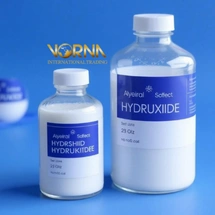
Sodium Hydroxide Uses and Applications
Sodium hydroxide uses are widespread across industrial and manufacturing sectors. Also known as caustic soda or NaOH, this strong alkali is valued for its ability to break down organic matter, adjust pH, and act as a key chemical reactant. The most common uses of sodium hydroxide include:
- Soap and Detergent Manufacturing: A primary sodium hydroxide use is in saponification, where fats and oils are converted into soap.
- Water Treatment: One important sodium hydroxide application is pH control and corrosion prevention in municipal water systems.
- Textile Processing: In cotton mercerization, sodium hydroxide improves fiber strength, sheen, and dye absorption.
- Chemical Production: A major application of sodium hydroxide is in manufacturing sodium hypochlorite, solvents, plastics, and pharmaceutical intermediates.
- Pulp and Paper Industry: NaOH plays a critical role in the Kraft process by removing lignin and separating cellulose fibers.
Because of these diverse sodium hydroxide applications, it remains one of the most essential industrial chemicals worldwide.
Sodium Hydroxide in Food Processing
In food processing, sodium hydroxide is used in the nixtamalization of corn, where the kernels are soaked in a sodium hydroxide solution to soften them and make them more digestible. This process is a key step in the production of traditional foods like tortillas, tamales, and masa. Sodium hydroxide is also used in certain candy-making processes, such as in the production of pretzels, where it gives the dough its characteristic brown color and flavor after baking.
Although sodium hydroxide is used in food processing, it is strictly regulated to ensure that any traces of the compound in the final product are neutralized. The Food and Drug Administration (FDA) and other regulatory bodies establish strict guidelines to ensure the safe use of sodium hydroxide in food production, ensuring that it does not pose a risk to consumers.
The chemical characteristics of sodium hydroxide make it a useful companion in the processing of minerals such as Celestine. Its reactivity aids in extraction and purification processes, ensuring higher quality mineral output.
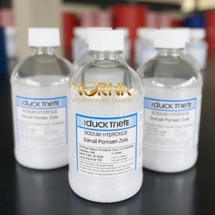
Sodium Hydroxide in Cleaning and Degreasing
Sodium hydroxide is highly effective at breaking down oils, fats, and other tough contaminants, making it an essential component in many industrial cleaning applications. It is commonly used in the food industry for cleaning and sanitizing equipment and surfaces. Its powerful degreasing abilities make it ideal for cleaning ovens, grills, and other equipment used in food preparation. Sodium hydroxide-based cleaners can also be found in industrial settings for cleaning machinery, automotive parts, and even oil rigs, where heavy grease and oils are prevalent.
In addition, sodium hydroxide is commonly used in drain cleaning products to break down grease, hair, and other clogs in pipes, ensuring smooth wastewater flow. However, due to its caustic nature, these products should be used with caution.
Sodium Hydroxide in Water Treatment
One of the primary uses of sodium hydroxide is in water treatment, where it plays a critical role in ensuring the safety and quality of drinking water. Hydroxide Sodium is used to neutralize acidic water, adjusting the pH to a safe, neutral level. This is particularly important in industries where wastewater must be treated to remove harmful substances, such as in mining or chemical production. In addition to neutralizing acids, sodium hydroxide is used in water treatment to remove impurities, including heavy metals, from the water. The hydroxide ions in sodium hydroxide help to precipitate these metals out of solution, making it easier to filter and remove them.
In municipal water treatment plants, sodium hydroxide is also used to soften water by removing calcium and magnesium ions, which can cause scaling in pipes and water systems. The compound is also crucial in desalination plants, where it is used to treat brine and help remove contaminants from seawater.
Sodium Hydroxide in Soap and Detergent Production
Sodium hydroxide is essential to the production of both soaps and industrial detergents. In soap-making, it facilitates saponification, a chemical process that breaks down fats and oils into glycerol and fatty acid salts.
Beyond traditional soap, its strong alkalinity makes it a key ingredient in heavy-duty cleaning agents. It effectively dissolves grease, oil, and organic buildup, serving as the primary active component in drain openers, oven cleaners, and industrial degreasers.
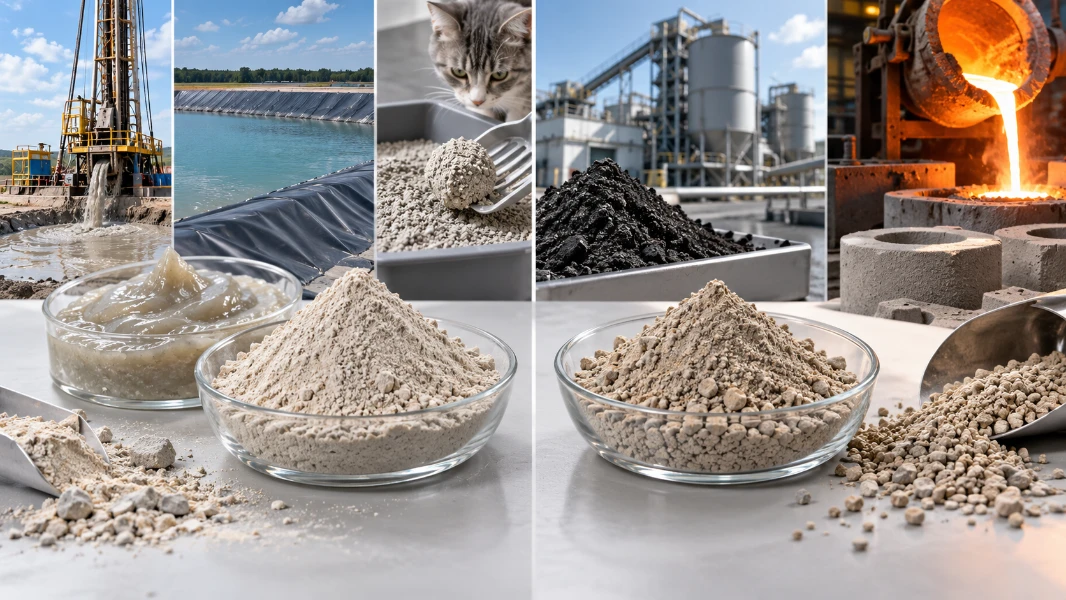
In drilling operations, sodium hydroxide can help adjust the pH and improve the performance of Bentonite Clay Drilling Mud. This combination enhances fluid viscosity and drilling efficiency, making it a valuable solution in oil and gas exploration.
Frequently Asked Questions about NaOH
What is the pH of sodium hydroxide?
Sodium hydroxide is a strong base with a pH of approximately 14 when dissolved in water.
Is sodium hydroxide the same as lye?
Yes, “lye” is the common name used for sodium hydroxide, particularly in soap-making and traditional food processing.
Why is sodium hydroxide dangerous?
It is highly corrosive. It can cause permanent damage to eyes, skin, and mucous membranes upon direct contact.
Does NaOH react with metals?
Yes, it can react with certain metals, such as aluminum, to produce flammable hydrogen gas. Always be cautious when selecting piping or container materials.
Is NaOH the same as baking soda?
No. Sodium hydroxide (NaOH), or caustic soda, is a strong, toxic chemical. Baking soda is sodium bicarbonate (NaHCO₃), which is a completely different, non-toxic compound used in cooking.
Is sodium hydroxide harmful to humans?
Yes. In its raw form, sodium hydroxide is highly corrosive. It can cause severe chemical burns, permanent tissue damage, and serious eye injuries upon contact.
Is Sodium Hydroxide an Acid or a Base?
No, Sodium Hydroxide is not an acid; it is a strong base
Is sodium hydroxide a bleach?
No, but it is a key ingredient in making bleach. Sodium hypochlorite (household bleach) is produced by reacting chlorine with sodium hydroxide (caustic soda).
What is another name for sodium hydroxide?
Sodium hydroxide is most commonly known as caustic soda or lye.
Does toothpaste contain sodium hydroxide?
Yes, some toothpaste brands use sodium hydroxide in small, controlled amounts as a pH-balancing agent to maintain the product’s effectiveness.
What are the common uses of sodium hydroxide?
Sodium hydroxide is essential for manufacturing soaps, paper, textiles, and petroleum products. It is also used widely in industrial processes like metal cleaning, water treatment, and chemical synthesis.
What happens when sodium hydroxide mixes with water?
Mixing solid sodium hydroxide with water creates a highly exothermic reaction that releases significant heat. This can cause dangerous splashing and requires extreme caution during handling.
Is sodium hydroxide safe in food?
The FDA allows sodium hydroxide as a food additive in very low concentrations (typically less than 1%), primarily for food processing and pH adjustment.
Is sodium hydroxide safe in soap?
Yes. While raw sodium hydroxide is corrosive, it is completely consumed during the “saponification” process with oils. The final product is soap and glycerin, which are safe for skin use.
Can sodium hydroxide dissolve grease?
Yes. As a powerful alkaline base, sodium hydroxide is highly effective at breaking down fats, oils, proteins, and grease, making it a common active ingredient in heavy-duty drain and oven cleaners.
Seeking Reliable Industrial Raw Materials?
While sodium hydroxide is a critical component in many chemical processes, our expertise at Vornaco lies in providing high-quality industrial minerals like Bentonite, Kaolin, Silica, and Gypsum. If your production line requires consistent, top-grade minerals for manufacturing or chemical processing, we are ready to assist.
[Browse Our Full Catalog of Industrial Minerals]
Consult with Our Experts for Your Raw Material Needs: Click on +98 912 293 9278 or email at info@vornaco.com.