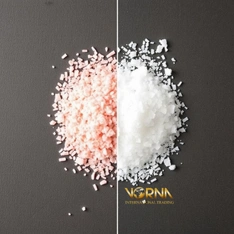
Pink Salt vs Sea Salt
Salt is a staple in every kitchen, but not all salts are created equal. Among the many varieties, pink salt and sea salt often get compared for their natural sources, mineral content, and perceived health benefits.
While both are marketed as healthier alternatives to refined table salt, they differ in origin, texture, taste, and usage. Whether you’re looking for a better seasoning, a detox tool, or a wellness upgrade, understanding the real difference between pink salt and sea salt can help you make the right choice.
Let’s break down how these two salts compare across several key categories.
If you want to learn more about where pink salt comes from and what makes it so special, don’t miss our detailed article on What is Himalayan Pink Salt. It covers its origin, minerals, and everyday uses.
Origin and Source of Pink Salt vs. Sea Salt
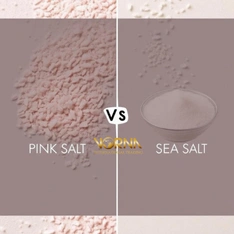
Pink salt, often called Himalayan pink salt, is harvested from ancient sea salt deposits deep within the Himalayan mountains. These deposits formed millions of years ago and are believed to be among the purest sources of salt on earth.
Sea salt, on the other hand, is produced by evaporating seawater, typically from coastal regions. It’s a product of modern oceans and is more susceptible to environmental factors, including pollution and microplastics — although reputable brands test for purity.
So while both are technically from the sea, pink salt is fossilized and mineral-rich, whereas sea salt is freshly harvested from current oceans.
Beyond pink and sea salt, there’s another rare variety worth knowing — what is blue salt. Discover its bold color, mineral content, and why chefs and wellness lovers are talking about it.
Mineral Content of Pink Salt vs. Sea Salt
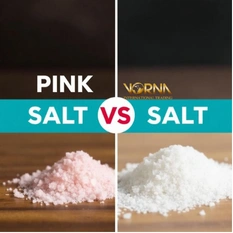
One of the biggest selling points of pink salt is its trace mineral content — including magnesium, potassium, calcium, and iron — which gives it the signature pink hue. Over 80 minerals are found in tiny amounts, contributing to its nutritional appeal.
Sea salt also contains trace minerals, but their concentration depends heavily on the source of seawater and processing methods. Some sea salts are nearly as mineral-rich as pink salt, while others are more refined and closer to white table salt.
In terms of variety, pink salt has a more consistent mineral profile, while sea salt can vary widely depending on where it’s sourced.
Want to compare pink salt with other unique salts like black salt? Our article on Black Salt vs Pink Salt dives into their differences in taste, health effects, and how they’re used in real cooking.
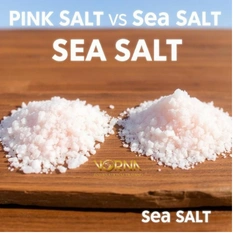
Taste and Texture of Pink Salt vs. Sea Salt
Pink salt has a mild, earthy flavor with a subtle sweetness, making it a favorite for finishing dishes. Its coarse granules make it ideal for grinders or salt rubs on meat and fish.
Sea salt has a brighter, sharper flavor, especially when unrefined. It often dissolves quicker than pink salt and works well in baking and boiling recipes.
In terms of texture:
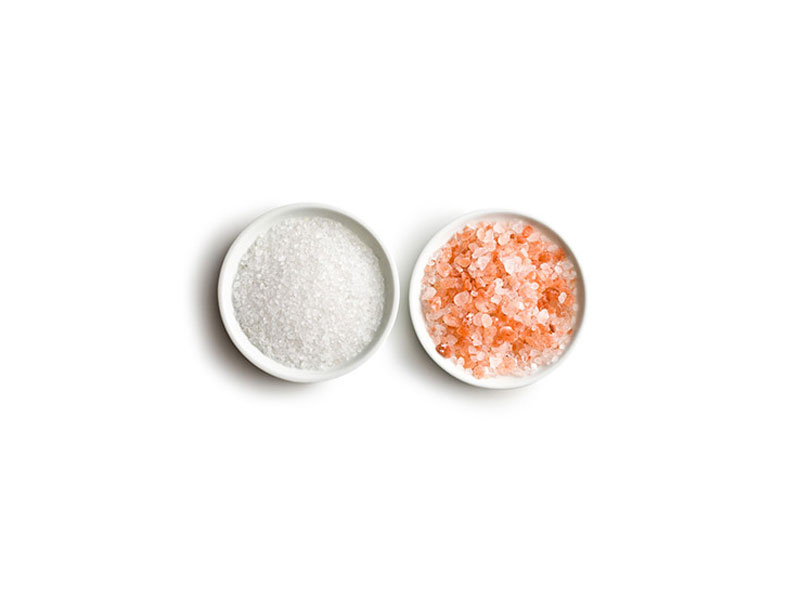
- Pink salt is chunkier and denser
- Sea salt is flakier and lighter
If you’re aiming for strong flavor impact with less salt, sea salt might be better. For a slower, deeper flavor release, pink salt does the job beautifully.
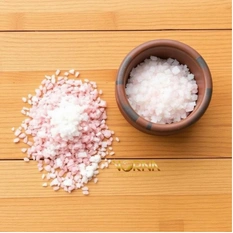
Health Claims of Pink Salt vs. Sea Salt
Both salts are marketed as “healthier” alternatives to table salt, but let’s take a closer look.
Pink salt claims include:
- Detoxifying the body
- Improving hydration and pH balance
- Supporting adrenal health
- Promoting better sleep
- Lower sodium content (though marginally)
Sea salt is said to:
- Retain more natural minerals
- Help with hydration and muscle function
- Be less processed
- Be more alkaline (depending on source)
However, it’s important to remember that both salts are still sodium chloride, and overconsumption carries the same health risks: high blood pressure, kidney strain, and cardiovascular issues.
Uses of Pink Salt vs. Sea Salt in Cooking
Pink salt is ideal for:
- Seasoning meats and vegetables
- Salt crust baking
- Salt blocks for grilling or serving cold dishes
- Finishing dishes for visual appeal
Sea salt is more versatile in:
- Everyday cooking and baking
- Pasta water and soups (dissolves quickly)
- Bread and dough recipes
- Flaky finishing salt on chocolate, salads, or caramel
For chefs and home cooks alike, the choice often comes down to texture and visual presentation more than taste alone.
Skin and Wellness of Pink Salt vs. Sea Salt
Both salts are used beyond the kitchen — in wellness routines and beauty treatments.
Pink Salt in Wellness:
- Used in bath soaks for muscle relief
- Added to detox drinks like “sole water”
- Made into salt lamps for claimed air-purifying effects
- Used in body scrubs for exfoliation
Sea Salt in Wellness:
- Added to warm baths for skin softening
- Mixed with oils for DIY body scrubs
- Used in salt sprays for hair texture
- Applied in salt compresses for aches
In skin care, sea salt is gentler, while pink salt is more mineral-dense and slightly coarser.
If sea salt is your favorite pick, make sure you’re using the best quality. Check out our pure, mineral-rich sea salt, perfect for daily cooking or finishing dishes with a clean, ocean-like flavor.
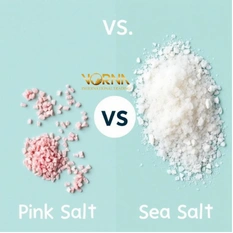
Price and Availability of Pink Salt vs. Sea Salt
Pink salt is typically more expensive, especially when sold in rock form or decorative salt lamps. It’s considered a premium product, often packaged attractively and marketed toward health-conscious consumers.
Sea salt ranges widely in price:
- Basic sea salt is affordable and found in most grocery stores
- Artisan or regional sea salts like Fleur de Sel or Celtic sea salt can be pricey
So if you’re shopping on a budget, standard sea salt wins on price, but if you want a decorative or luxurious touch, pink salt is the go-to.
Pink Salt vs. Sea Salt for Sodium Intake
Many people turn to alternatives like pink salt or sea salt thinking they’re lower in sodium. While they may contain slightly less sodium than table salt, the difference is minimal — not enough to allow for overuse.
That said, you may end up using less pink or sea salt because their flavor tends to be more concentrated or satisfying than refined salt.
Always check serving sizes and avoid thinking of any salt as “healthy” in large quantities. Moderation is key, no matter which type you choose.
Taste Test of Pink Salt vs. Sea Salt in Real Dishes
If you’re still unsure which salt to pick, try a side-by-side taste test at home:
- Use pink salt and sea salt on slices of tomato, grilled chicken, or roasted potatoes.
- Compare how they enhance flavor, texture, and mouthfeel.
- Test them in baking too — sea salt often wins in breads, while pink salt shines in rubs and marinades.
You’ll quickly discover that neither salt is better overall — they’re just different. It’s all about preference and purpose.
Ready to bring pink salt into your kitchen? Try our premium Himalayan pink salt, rich in natural minerals and ideal for seasoning, detox water, or gourmet meals.