What is Blue Salt?
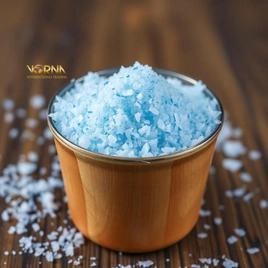
Blue salt is a rare and naturally occurring mineral salt known for its distinctive bluish hue and rich mineral content. Unlike regular table salt, which is chemically refined, blue salt is harvested from natural salt deposits and contains trace minerals like potassium, calcium, and magnesium. Its blue tint is due to the natural presence of sylvite, a potassium mineral that reflects light in a way that appears blue to the human eye. Often sourced from ancient salt mines, especially in Iran, blue salt is valued for its purity, rarity, and unique visual appeal. Though primarily used in gourmet cooking and health applications, it also finds niche uses in skincare and wellness products.
Looking for one of the rarest and most visually striking salts in the world? Discover the unique qualities of Persian Blue Salt in our product section, as highlighted in the What is Blue Salt article.
Origin of Blue Salt
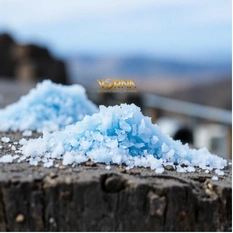
Blue salt is predominantly sourced from the Semnan province of Iran, particularly from the mines near Garmsar. These ancient salt deposits date back millions of years and are part of the Iranian salt domes, geological formations where salt has risen through layers of earth over time. The unique environmental conditions and mineral composition of these mines give blue salt its characteristic color and high mineral content. While Iran remains the most famous source, smaller quantities of similarly colored salts have been found in other regions, but they are often less pure or artificially enhanced. True Iranian blue salt is considered a premium culinary ingredient due to its origin and natural formation process.
Blue Salt Benefits
Blue salt is packed with trace minerals that can contribute to overall wellness when used in moderation. It is believed to help balance electrolytes, improve hydration, and support healthy muscle function due to its potassium and magnesium content. Unlike heavily processed table salt, blue salt is unrefined, making it a more natural option for those seeking clean eating alternatives. Some holistic health practitioners claim it can aid in digestion and detoxification, although scientific studies are limited. Its mineral-rich profile makes it a good choice for those looking to reduce their sodium intake without sacrificing flavor or nutrition.
Blue Salt Uses
Blue salt is versatile and used across culinary, health, and beauty applications. In cooking, it serves as a finishing salt, adding both visual appeal and a mild, complex flavor to dishes. Chefs often sprinkle it on salads, grilled meats, or even desserts to enhance presentation and taste. In wellness practices, blue salt is used in bath soaks to relax muscles and remineralize the skin. Some skincare brands incorporate it into scrubs and masks for its exfoliating and mineralizing properties. Though less common, it’s also used in crystal therapy and energy cleansing due to its rarity and visual appeal.
While blue salt is admired for its rare color and mineral profile, it’s not the only specialty salt worth exploring. Compare others in detail in our guide on Black Salt vs. Pink Salt.

Blue Salt Advantages and Disadvantages
The main advantage of blue salt is its mineral richness and natural origin, making it a cleaner alternative to processed salts. Its unique color and rarity also make it attractive in gourmet cuisine and luxury wellness markets. However, its disadvantages include high cost and limited availability, as it is sourced from specific regions in small quantities. Additionally, the health claims surrounding blue salt are largely anecdotal, lacking extensive scientific backing. Some may also find its taste too mild for certain dishes, requiring combination with stronger salts. Overall, it’s best used as a specialty ingredient rather than a staple.
Blue Salt in Cooking
Blue salt is best used as a finishing salt to preserve its visual and textural qualities. Sprinkle it over grilled meats, seafood, or roasted vegetables just before serving to enhance both flavor and appearance. It also pairs well with salads, eggs, and even chocolate-based desserts for a surprising twist. Because of its subtle taste, it’s not ideal for salting pasta water or baking where the salt dissolves entirely. Instead, use it where it can be appreciated visually and texturally. Grinding blue salt is not recommended, as it may lose its distinctive appearance and crunch.
Blue Salt in Skincare and Beauty
In skincare, blue salt is prized for its mineral content and natural exfoliating properties. It can be found in facial scrubs, body polishes, and bath soaks designed to detoxify and nourish the skin. The minerals in blue salt help maintain the skin’s natural moisture barrier and improve its texture. Some brands also use it in clay masks to enhance absorption and skin clarity. Its anti-inflammatory properties are believed to soothe irritated skin, making it suitable for sensitive types. However, as with any skincare product, patch testing is recommended before full application.
See more: Pink Salt vs Sea Salt
How to Store Blue Salt Properly?
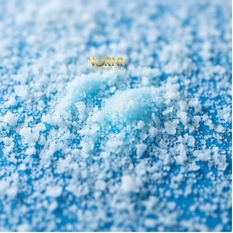
To maintain the quality of blue salt, it should be stored in an airtight container in a cool, dry place away from sunlight and moisture. Exposure to humidity can cause clumping or color fading, which diminishes both appearance and texture. Glass jars with tight-fitting lids are ideal for preserving its natural properties. If storing in bulk, ensure the salt is separated into smaller containers to prevent contamination. Blue salt does not expire but can degrade in quality if not properly maintained. Avoid metal containers that may react with the minerals over time.
Where to Buy Real Blue Salt?
Authentic blue salt can be found through specialty spice retailers and reputable online platforms. Look for sellers that clearly label the origin, preferably from Iran, and avoid overly cheap options that may be dyed or imitation products. Reading customer reviews and checking for lab certification can help ensure quality. Some gourmet food stores and natural health shops may also carry it in smaller quantities. Buying from verified suppliers ensures you receive pure, unadulterated blue salt that maintains its mineral content and vibrant color. Always verify return policies in case the product does not match expectations.
Why Is Blue Salt Expensive?
Blue salt is expensive due to its rarity, limited geographic origin, and labor-intensive harvesting methods. Extracted from deep, ancient mines, the salt undergoes minimal processing but requires careful extraction to preserve its unique hue. Transportation from remote regions, especially Iran, also adds to cost. Additionally, its niche appeal in gourmet cuisine and luxury wellness products increases demand while supply remains low. The blue color itself adds aesthetic and perceived value, making it a premium product. As with many rare natural goods, the price reflects both scarcity and craftsmanship in sourcing.
While exploring What is Blue Salt, you might also be interested in learning about Himalayan Pink Salt. In our detailed article, we compare its mineral composition, health benefits, and culinary uses with other natural salts. If you’re curious about the differences between these two stunning salts, Himalayan Pink Salt is a great place to continue your reading.