
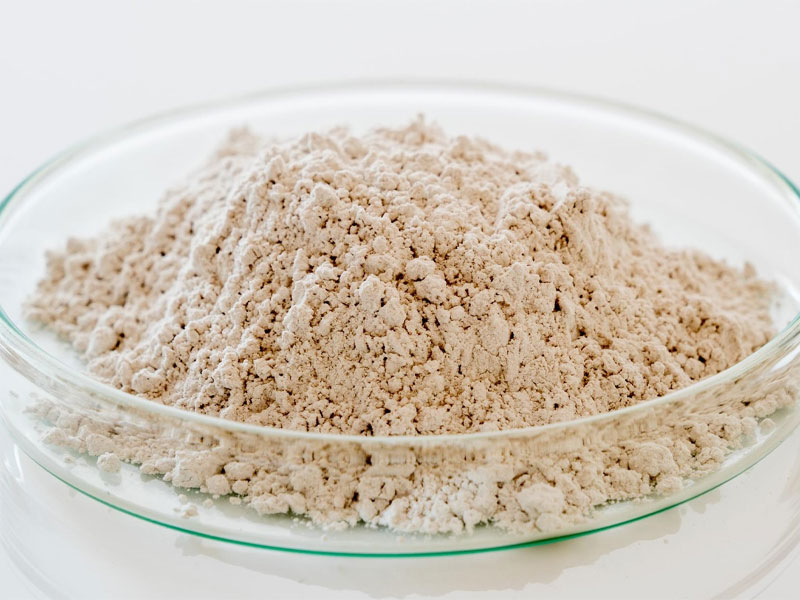
Calcined Kaolin
Calcined Kaolin is a high-quality clay mineral that has undergone a thermal treatment process known as calcination. This process involves heating the kaolin clay at high temperatures, typically between 1000°C and 1400°C, which results in the production of a white, fine powder with improved properties. Calcined kaolin retains the inherent purity of kaolin while becoming more stable and versatile for various industrial applications.
Kaolin, a natural clay composed primarily of the mineral kaolinite, is widely known for its use in ceramics, paper, and cosmetics. However, when it undergoes the calcination process, it becomes more suitable for advanced uses in different industries due to its enhanced characteristics. Calcined kaolin is often used in the manufacturing of paints, rubber, plastics, and even in pharmaceuticals. This enhanced version of kaolin offers better heat resistance, chemical inertness, and superior white color, making it highly desirable for specific applications.
If you’re interested in the benefits of Kaolin Pectin, you might want to learn more about Kaolin. To better understand the material and Kaolin cost, visit our product page for detailed pricing and insights on its uses across various industries.

What is Calcined Kaolin?
Calcined Kaolin is a high-performance form of kaolin clay that has undergone a heat treatment process called calcination. During this process, the raw kaolin clay is heated at temperatures typically ranging from 1000°C to 1400°C. This intense heat removes the moisture content in the clay and alters its chemical structure, resulting in a material that is more stable, pure, and refined. The outcome is a fine, white powder that has various enhanced properties, making it highly versatile for industrial applications.
Calcined kaolin is commonly used in industries such as paint, rubber, plastics, ceramics, and pharmaceuticals due to its unique characteristics. The calcination process changes the mineral structure of kaolin, enhancing its ability to withstand higher temperatures, improve chemical inertness, and provide better strength and whiteness. Calcined kaolin has the ability to retain the natural qualities of kaolin, such as its low abrasiveness, while offering improved performance in a variety of manufacturing processes.
If you’re curious about how kaolin clay benefits the skin, be sure to check out the article on the Benefits of Kaolin Clay for Skin. It reveals how this natural clay can enhance your skin health.
Properties of Calcined Kaolin
Calcined Kaolin possesses a unique combination of properties that make it highly valued in various industrial sectors. These properties include:
- High Brightness and Whiteness:
Calcined kaolin is highly regarded for its white color and brightness, which remains intact even at high temperatures. This property makes it an ideal material for applications in paint, coatings, and plastics, where a bright, aesthetically pleasing finish is required. Its high brightness also allows manufacturers to use calcined kaolin as an extender in paints, helping to reduce costs while maintaining high quality. - Thermal Stability:
One of the most important properties of calcined kaolin is its thermal stability. The calcination process transforms the kaolin into a more heat-resistant material, making it suitable for applications that involve high temperatures. For instance, calcined kaolin is commonly used in the ceramic and refractory industries, where it helps to form products that can endure extreme heat without losing their shape or integrity. - Chemical Inertness:
Calcined kaolin is chemically inert, meaning it does not react easily with other substances. This makes it an excellent choice for applications that require stability in chemically aggressive environments. It is used as a filler in plastics and rubber, where its chemical inertness ensures that the final product will not react adversely with other components. - Improved Mechanical Properties:
The calcination process enhances the mechanical strength and durability of kaolin. This makes calcined kaolin an ideal additive in rubber and plastics, where it acts as a reinforcing agent. It improves the material’s tensile strength, resistance to wear, and overall durability, which are essential properties in industries such as automotive and construction. - Fine Particle Size and Smooth Texture:
Calcined kaolin has a fine particle size that gives it a smooth texture. This fine powder is easy to disperse in liquids, making it an excellent choice for paints and coatings. The smooth texture also contributes to its use in ceramics, where it helps to create high-quality products with a polished finish. - Low Abrasiveness:
Another property of calcined kaolin is its low abrasiveness. This makes it a preferred choice for applications where the material needs to have minimal impact on machinery or the surface being coated. It is often used as a filler in products like paper, paints, and plastics because it does not wear down equipment or cause surface damage during processing. - Absorbent and Moisture-Control Properties:
Calcined kaolin retains some of its inherent absorbent properties after the calcination process. This is particularly valuable in the rubber and plastics industries, where it can help control moisture levels in raw materials and finished products. Its ability to absorb moisture also contributes to its use in certain pharmaceutical and cosmetic applications, where controlling the moisture content is critical for product stability. - Environmental Friendliness:
As a natural mineral, calcined kaolin is environmentally friendly compared to synthetic alternatives. It is non-toxic and can be used in various industries without posing significant risks to health or the environment. Its production process involves minimal chemical treatment, making it a more sustainable option for industries looking to reduce their environmental footprint.
How Calcined Kaolin is Made
The calcination process is central to transforming kaolin clay into calcined kaolin. To achieve this, raw kaolin clay is heated to temperatures between 1000°C to 1400°C in rotary kilns or furnaces. The heat drives off water molecules and other volatile substances, leaving behind a more stable material that is chemically inert and highly refined. The calcination process reduces the clay’s plasticity and makes it a much finer powder compared to its natural counterpart.
One of the key benefits of calcination is that it alters the chemical structure of kaolin, improving its performance in various applications. During calcination, kaolinite, the primary mineral in kaolin, transforms into an alumino-silicate phase that enhances the material’s thermal stability. This gives calcined kaolin its desirable properties, such as high-temperature resistance, greater durability, and a more consistent appearance, all of which are essential for industrial applications.
Curious about the origins and uses of Kaolin? Discover more in our article, “What is Kaolin Clay,” where we explain this versatile mineral and its wide range of applications.

Calcined Kaolin Benefits
Calcined kaolin is an environmentally friendly material, especially when compared to synthetic alternatives used in various industrial applications. Its production involves heating natural kaolin clay, which is abundant and non-toxic. The use of calcined kaolin reduces the need for other more harmful chemicals and additives in many industries, making it a greener choice for manufacturers.
Additionally, calcined kaolin can be recycled in some applications, reducing waste and promoting sustainable manufacturing practices. In the paint industry, for example, leftover calcined kaolin can be repurposed for other industrial uses, helping to minimize environmental impact. Its long shelf life and durability also make it a cost-effective and sustainable option for various products.
By utilizing natural materials like calcined kaolin, industries can reduce their reliance on non-renewable resources and contribute to more sustainable production methods. This helps companies meet environmental regulations and improve their overall sustainability efforts.
For a deeper understanding of how kaolin clay is used in cosmetics, take a look at the article on Kaolin Cosmetics. It offers valuable insights into this ingredient’s role in beauty products.
Applications of Calcined Kaolin
Calcined kaolin has a wide range of applications across various industries due to its enhanced properties. One of the primary industries benefiting from calcined kaolin is the paint and coatings industry. The improved whiteness, chemical stability, and dispersibility of calcined kaolin make it an excellent filler and extender for paints. It enhances the opacity of paints and provides a smooth finish, making it a preferred choice for many types of coatings.
Another significant use of calcined kaolin is in the rubber and plastics industry. In these sectors, calcined kaolin is used as a reinforcing agent. It enhances the mechanical properties of rubber and plastics, such as their tensile strength and durability. The fine powder also improves the flow properties of plastics during processing, making it an ideal additive in the production of various plastic components, including those used in automotive and construction applications.
Additionally, calcined kaolin is widely used in the ceramic industry. It acts as a key component in the production of high-performance ceramics due to its ability to withstand high temperatures. Calcined kaolin contributes to the body and glaze of ceramic materials, providing enhanced thermal shock resistance and a smoother surface finish. It is also used in the production of refractories, which are materials that can withstand high-temperature environments, such as those used in furnaces and kilns.
Calcined Kaolin in Paints and Coatings
One of the most significant uses of calcined kaolin is in paints and coatings. Its properties make it an ideal additive in the production of both interior and exterior paints. The fine, white powder enhances the opacity and color stability of paints, providing a smooth and consistent finish. Calcined kaolin also improves the durability of coatings by increasing their resistance to weathering and abrasion.
The presence of calcined kaolin in paint formulations allows for greater flexibility in the production of coatings. It reduces the need for expensive pigments, acting as an extender that allows manufacturers to lower production costs without sacrificing quality. The high brightness of calcined kaolin contributes to the overall aesthetic quality of the paint, providing a cleaner, more vibrant appearance.
Furthermore, calcined kaolin plays a role in improving the rheological properties of paints. It helps in controlling the viscosity and flow of the paint, ensuring that it can be applied smoothly and evenly. The increased chemical stability of calcined kaolin also improves the shelf life of paint products, as it minimizes the risk of settling and clumping over time.
To learn more about the health benefits of consuming edible kaolin clay, explore the article on Edible Kaolin Clay. It explains how this clay can be used for various health purposes.
Calcined Kaolin in Rubber and Plastics
In the rubber industry, calcined kaolin serves as a reinforcing filler, improving the mechanical properties of rubber products. The addition of calcined kaolin enhances the tensile strength and abrasion resistance of rubber materials. This makes it an essential component in the production of automotive tires, gaskets, and seals, where durability and performance are critical.
Calcined kaolin also plays a vital role in the plastics industry. When added to plastic formulations, it improves the material’s rigidity, thermal stability, and overall strength. It helps in making plastics more resistant to heat and wear, which is especially important in applications where the plastic components are exposed to harsh environments. The use of calcined kaolin in plastic production also contributes to the material’s overall processing performance, improving the ease of molding and extrusion.
In addition to these applications, calcined kaolin is often used in the production of electrical insulation materials due to its excellent insulating properties. It is also used in the manufacture of paints for plastics, enhancing both the appearance and durability of the material.
Calcined Kaolin in Ceramics and Refractories
The ceramic industry benefits greatly from the use of calcined kaolin in the production of high-performance ceramic products. Kaolin is a key ingredient in ceramics due to its fine particle size and smooth texture, which contributes to the formation of high-quality ceramic materials. Calcined kaolin is used in the production of porcelain, pottery, and fine china, where it helps to provide a smooth surface finish and improved thermal shock resistance.
In the refractory industry, calcined kaolin plays a crucial role in the production of materials that can withstand high temperatures. Refractories are used in industries such as metal smelting and glass manufacturing, where materials must endure extreme heat. The high thermal stability of calcined kaolin makes it an ideal material for refractory bricks and castables, which are used to line furnaces and kilns.
The use of calcined kaolin in ceramics and refractories is essential for achieving the desired material properties, such as strength, heat resistance, and smoothness. Its role in these industries highlights its versatility and ability to improve the performance of a wide range of products.
For more information on using Kaolin Pectin for canine digestive issues, check out our detailed article on Kaolin Pectin for Dogs.

To find out how kaolin clay is incorporated into soaps, don’t miss the article on Kaolin Clay Soap. It covers the many advantages of using this clay in natural skincare.


