Edible Kaolin Clay
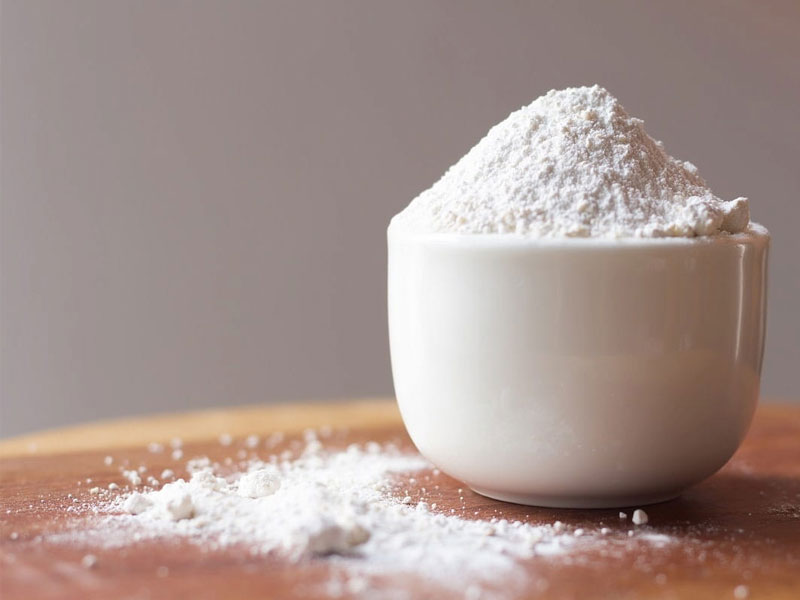
Edible Kaolin Clay, a type of naturally occurring clay, has gained significant attention due to its various health benefits, especially in detoxification, digestive support, and mineral replenishment. While kaolin is commonly known for its use in pottery and cosmetics, its edible form has become increasingly popular for consumption due to its potential health properties. This white, fine clay is rich in minerals such as calcium, magnesium, potassium, and iron, and is believed to have detoxifying, digestive, and beauty-enhancing benefits. Unlike other forms of clay, edible kaolin clay undergoes a specific purification process to ensure it is safe for human consumption.
Used for centuries in traditional medicine across various cultures, edible kaolin clay continues to be an important natural remedy, supporting gastrointestinal health and providing a gentle way to detoxify the body. Many people have incorporated this clay into their wellness routines, either in the form of a powder mixed with water, as part of smoothies, or even in supplement capsules. Its versatility and natural healing properties make it a valuable addition to holistic health practices. The growing popularity of edible kaolin clay is fueled by the increasing interest in natural health solutions and detox methods.
Whether used for digestive benefits, skin care, or mineral replenishment, edible kaolin clay offers a safe and natural way to support health. However, as with any supplement or remedy, it’s essential to ensure that the kaolin used is specifically labeled as food-grade and sourced from reputable suppliers. As more people seek out natural alternatives to modern medicine, edible kaolin clay has secured its place as a wellness staple.
Want the best Kaolin Price? Get premium Kaolin at great prices for your health, beauty, and industrial needs—quality you can trust.

What is Edible Kaolin Clay?
Edible Kaolin Clay, a naturally occurring mineral, has been used throughout history for its various health benefits. Composed mostly of kaolinite, a hydrated aluminum silicate, this white clay has become popular in wellness and detox circles for its unique properties. Unlike other forms of clay, edible kaolin is specifically processed to ensure it is safe for human consumption. The clay is available in a fine powder form and is often added to water, smoothies, or used in supplements. This naturally occurring substance offers a variety of purported health benefits, making it a popular choice among those looking for holistic and natural remedies.
History of Edible Kaolin Clay
The history of edible kaolin clay dates back to ancient civilizations, where it was used in multiple ways—from pottery to medicinal applications. The name “kaolin” originates from the Chinese word “Kaoling,” which refers to the hill in China where this clay was first discovered. Its use in traditional Chinese medicine was widespread, particularly for digestive and gastrointestinal issues. The French and European settlers adopted the clay in the 17th and 18th centuries, discovering its soothing properties for the digestive system. Over time, kaolin spread across the world, becoming a versatile and valuable substance in both medicine and beauty treatments. Today, edible kaolin continues to be a preferred choice for natural healing.
Types of Edible Kaolin Clay
There are several types of edible kaolin clay, each offering distinct properties that cater to specific wellness needs. The most commonly consumed variety is white kaolin clay, known for its mild, gentle nature and high purity. It’s perfect for individuals seeking a light detox or general health benefits. Other types include red kaolin clay and yellow kaolin clay. Red kaolin contains a higher concentration of iron oxide, which is thought to have stronger detoxifying effects. Yellow kaolin, rich in minerals, is sometimes preferred for its additional nutrient content, which includes more potassium and magnesium. It’s important to choose the right type of kaolin clay, ensuring that it is properly processed and safe for consumption.
Nutritional Composition of Edible Kaolin Clay
Edible kaolin clay is rich in essential minerals that contribute to its health benefits. The key component, kaolinite, is a clay mineral, but it also contains various trace elements that are vital to the body’s well-being. These include calcium, magnesium, potassium, iron, and silica. Silica, in particular, is considered a crucial element for skin, hair, and bone health. While kaolin clay is not a significant source of calories or macronutrients like protein or fat, it can provide valuable micronutrients that support various bodily functions. Its mineral content helps in balancing electrolytes, promoting digestion, and maintaining overall health.
Edible Kaolin Clay Benefits
Edible kaolin clay offers a range of potential health benefits. Most commonly, it is recognized for its ability to detoxify the body. When consumed, it is believed to help bind toxins and chemicals, facilitating their removal through the digestive system. Additionally, kaolin clay is thought to support digestive health by soothing the stomach lining and intestines, which can aid in reducing symptoms of indigestion and gastrointestinal discomfort. Many users claim it helps in alleviating symptoms of irritable bowel syndrome (IBS) and bloating. Furthermore, due to its mineral content, edible kaolin may promote better hydration and help balance electrolytes, particularly for those who are prone to dehydration or excessive sweating.
Curious about Kaolin? Learn more about its properties, uses, and benefits by reading our article on What is Kaolin, where we dive into this versatile clay.

Side Effects of Eating Kaolin Clay
Although edible kaolin clay is generally considered safe when used properly, there are some potential side effects to be aware of. Overconsumption of kaolin clay can lead to constipation or an imbalance in the digestive system. Additionally, since kaolin clay can absorb water, it may interfere with the absorption of certain medications or nutrients if consumed in large quantities. Some individuals might experience mild stomach discomfort or nausea when first incorporating kaolin clay into their diet. It’s important to start with small amounts and gradually increase the dosage to allow the body to adjust. Those with existing health conditions, especially kidney or gastrointestinal issues, should consult a healthcare professional before using edible kaolin clay.
Kaolin Edible Clay Chunks
Kaolin edible clay chunks are a form of kaolin clay that has not been finely ground into powder. These chunks are typically larger pieces of clay that can be consumed directly or ground into powder for easier use. Some people prefer eating kaolin clay in its chunk form because it retains more of its natural texture and can provide a different sensory experience. Edible kaolin clay chunks are usually cleaned and processed to ensure they are free from harmful contaminants, making them safe for consumption.
Consuming kaolin clay chunks is less common than consuming the powdered form, but some users believe that it helps to absorb toxins in the body in a more prolonged and gradual manner, as the chunks slowly dissolve over time. It’s important to note that, just like with kaolin powder, moderation is key when consuming kaolin clay chunks. They should only be purchased from reputable sources that ensure the clay is specifically labeled for consumption and free of any heavy metals or contaminants.
Many people incorporate edible kaolin clay chunks into their detox routines by chewing them slowly or dissolving them in water. As with all forms of edible clay, it’s vital to start with small amounts and observe how the body reacts. Overconsumption of clay chunks could potentially lead to digestive issues or interfere with the absorption of nutrients. For those new to consuming edible kaolin clay, it’s recommended to consult a healthcare professional before starting with the chunk form.
Kaolin Clay for Eating
Kaolin clay for eating refers to a special grade of kaolin that is processed and purified for human consumption. Not all types of kaolin clay are safe to eat, as many clays used for industrial purposes may contain harmful chemicals or impurities. The kaolin clay intended for eating is specifically labeled as “food-grade,” ensuring that it is free from contaminants like heavy metals, pesticides, and other toxins.
People consume kaolin clay for various reasons, ranging from detoxification to digestive health. When eaten, kaolin clay is believed to help bind to toxins and waste in the digestive tract, promoting their elimination from the body. Additionally, kaolin is thought to soothe the gastrointestinal system, helping with conditions like indigestion, bloating, and even nausea. Some people also consume kaolin clay to replenish essential minerals, such as calcium, magnesium, and potassium, which it naturally contains.
If you’re interested in how kaolin clay is used in cosmetics, be sure to explore the article on Kaolin Cosmetics. It provides detailed insights into how this natural ingredient enhances beauty products.
The most common way to consume kaolin clay for eating is by mixing the powdered form into water or smoothies. However, some people prefer to eat the clay directly in small amounts, either alone or mixed with other substances like honey or herbal teas. It’s important to purchase kaolin clay that is specifically labeled for human consumption, as the clay used in non-edible products can be harmful to your health.
As with any dietary supplement, it’s essential to be cautious when introducing kaolin clay into your routine. While generally safe in small quantities, overconsumption can lead to side effects such as constipation or interference with nutrient absorption. Therefore, it’s always recommended to consult with a healthcare provider before starting any new health regimen involving kaolin clay.
Is Edible Kaolin Clay Safe for Pregnant Women?
One of the most common questions regarding the use of edible kaolin clay is its safety during pregnancy. While there is limited scientific research on the subject, kaolin clay is generally considered safe for consumption in small quantities during pregnancy. Many women use it to alleviate morning sickness and digestive discomfort, although it is important to consult a healthcare provider before beginning any new supplement or remedy during pregnancy. Excessive consumption of kaolin clay should be avoided, as it may lead to dehydration or digestive issues. As with any supplement, moderation is key, and medical guidance should always be sought to ensure safety.
Kaolin Clay Soap is a natural, gentle option for skin care. Discover how it can help cleanse and nourish your skin in our article on Kaolin Clay Soap.
How to Use Edible Kaolin Clay
Using edible kaolin clay is relatively simple and can be incorporated into daily routines in various ways. The most common method is to mix the clay powder with water or juice, creating a clay-based drink that is consumed on an empty stomach. The recommended dosage typically ranges from one teaspoon to one tablespoon per day, but it’s crucial to follow any guidelines provided on the product’s label. Some people also incorporate kaolin clay into smoothies or capsules for convenience. It can also be used in combination with other detoxifying ingredients like lemon or ginger for added health benefits. It’s important to ensure that the kaolin clay being used is specifically labeled as “edible” or “food grade” to avoid any potential contamination.
Specifications of Edible Kaolin Clay
When choosing edible kaolin clay, it’s important to look for specific specifications that ensure its safety and purity. First and foremost, the clay should be labeled as “food grade,” indicating that it has been processed and purified to meet consumption standards. The clay should also be free of contaminants such as heavy metals, pesticides, or other harmful substances. Packaging should clearly indicate the source of the clay, with many reputable brands specifying whether their kaolin is harvested from clean, mineral-rich deposits. Additionally, some brands offer kaolin clay that is specially formulated for different uses, such as detoxification or digestive health. Always choose products from trusted suppliers to ensure the highest quality.
To learn more about the skin benefits of kaolin clay, check out the article on the Benefits of Kaolin Clay for Skin. It highlights how this clay can improve your skin’s texture and appearance.
Edible Kaolin Powder
Edible kaolin powder is the most popular form of kaolin clay for consumption. It can be mixed with liquids such as water, juice, or herbal teas to create a smooth, drinkable paste or slurry. The powder form allows for easier dosage control and more flexible use, depending on individual health goals. Apart from digestive health and detox benefits, some people use edible kaolin powder to support skin health by incorporating it into homemade face masks or beauty treatments. Its natural ability to absorb toxins and impurities makes it a popular choice in skincare routines. As a dietary supplement, kaolin powder can also help replenish vital minerals and support overall wellness.
Edible Kaolin Clay in Traditional Medicine
In many cultures, edible kaolin clay has been used for centuries as part of traditional medicine practices. From Africa to Asia and Europe, different civilizations have relied on the therapeutic properties of kaolin clay for digestive issues, detoxification, and overall wellness. In parts of Africa, kaolin is often consumed to treat gastrointestinal discomfort, nausea, or to replenish minerals. In traditional Chinese medicine, it is used to soothe the stomach and promote the expulsion of toxins. Over time, these traditional uses have been supported by modern health enthusiasts who advocate for kaolin’s detoxifying and health-promoting properties.
Explore the process and benefits of Calcined Kaolin, a higher-temperature treated version of kaolin clay, in our article on Calcined Kaolin.

Learn about Kaolin Pectin, a natural remedy for gastrointestinal issues, in our article on Kaolin Pectin, where we discuss its uses and health benefits.