What is Calcium Carbonate?
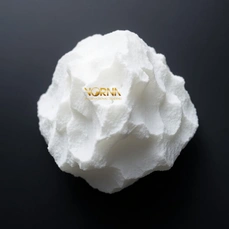
Calcium carbonate is a naturally occurring mineral compound with the chemical formula CaCO₃, consisting of calcium, carbon, and oxygen atoms. It is one of the most abundant minerals on Earth, forming a crucial component of rocks such as limestone, chalk, and marble. It is also present in the shells of marine organisms, eggshells, and snail shells. This compound is a white, odorless substance that can appear in crystalline or powder form, depending on its source and processing method. Its widespread availability, low toxicity, and versatility have made it an essential raw material in industries such as construction, manufacturing, agriculture, pharmaceuticals, and environmental management. From building structures to neutralizing acidic soils, calcium carbonate plays a vital role in both industrial and natural processes.
Calcium carbonate and What is Caustic Soda share several industrial applications, particularly in manufacturing processes. Understanding the differences between these compounds can help in choosing the right one for your needs. Learn more about What is Caustic Soda and its uses.
Chemical and Physical Properties of Calcium Carbonate
Calcium carbonate exhibits unique physical and chemical properties that contribute to its diverse range of applications. It is insoluble in pure water but reacts readily with acids, releasing carbon dioxide gas in the process, a reaction that is the basis for its role in antacid medications and environmental neutralization. With a Mohs hardness of about 3, it is relatively soft, yet it serves effectively as a mild abrasive in products like toothpaste and household cleansers. It has high brightness and opacity, making it valuable as a whitening agent in paper, paints, and plastics. Thermal decomposition of calcium carbonate occurs at temperatures above 825°C, producing quicklime (CaO) and carbon dioxide, a reaction central to the lime and cement industries. Its specific gravity of approximately 2.71 g/cm³ and stability under normal conditions make it a dependable material in long-term applications.
Calcium carbonate is widely used across various manufacturing sectors. At Vornaco, we provide a broad spectrum of industrial minerals, including industrial chromite ore, to support large-scale metallurgical processes.
Natural Sources of Calcium Carbonate
Calcium carbonate is primarily obtained from geological sources such as limestone, chalk, and marble, each formed over millions of years from the accumulation and compaction of marine shells, corals, and microscopic plankton. Limestone is the most abundant and widely exploited source, extracted through quarrying for use in construction materials, cement manufacturing, and soil conditioning. Chalk, characterized by its soft and porous texture, is often used in education, cosmetics, and as a soil amendment. Marble, a metamorphic form of limestone created through heat and pressure, is highly prized for its aesthetic qualities in architecture and sculpture. Biological sources such as oyster shells, eggshells, and coral reefs provide renewable supplies for specialized uses, including animal feed supplements and eco-friendly fertilizers. The diversity of sources ensures a consistent and sustainable supply for global industries.
Types of Calcium Carbonate
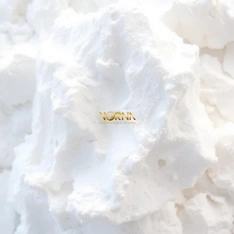
Commercially, calcium carbonate is available in two main forms: ground calcium carbonate (GCC) and precipitated calcium carbonate (PCC). GCC is produced by mechanically grinding natural limestone or marble into fine powders while retaining the original crystal structure. It is widely used as a filler in construction materials, plastics, and paints due to its cost-effectiveness and natural composition. PCC, on the other hand, is synthetically produced by reacting calcium hydroxide with carbon dioxide in a controlled process, allowing precise control over particle size, shape, and purity. PCC offers higher brightness, surface area, and dispersion properties, making it ideal for high-end applications such as specialty papers, high-performance plastics, and pharmaceutical formulations. The choice between GCC and PCC depends on the desired performance characteristics, budget, and application requirements.
Industrial Applications of Calcium Carbonate
Calcium carbonate is one of the most versatile minerals used in industry today. In construction, it is a fundamental ingredient in the production of cement, lime, and concrete, contributing to the durability and stability of buildings and infrastructure. The plastics industry incorporates calcium carbonate as a cost-effective filler that improves mechanical strength, reduces shrinkage, and enhances surface finish. In the paint and coatings sector, it improves opacity, brightness, and weather resistance, helping extend the life of painted surfaces. Paper manufacturers use both GCC and PCC to improve brightness, print quality, and smoothness, while reducing production costs. Additionally, calcium carbonate is used in adhesives, sealants, and rubber products, where it enhances performance and longevity. Its widespread industrial use stems from its affordability, abundance, and adaptability to different manufacturing processes.
In industrial applications, calcium carbonate and What is Industrial Salt are both indispensable. From water treatment to manufacturing, they play key roles. Explore more about What is Industrial Salt and its wide range of uses.
Calcium Carbonate in Agriculture
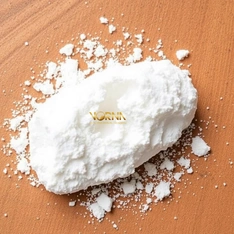
Agricultural use of calcium carbonate, commonly referred to as agricultural lime, focuses on improving soil quality and crop productivity. Acidic soils can hinder nutrient absorption by plants, leading to stunted growth and reduced yields. Applying finely ground calcium carbonate to soil helps neutralize acidity, creating a more balanced pH that supports optimal nutrient uptake and microbial activity. This process also improves soil structure, reduces aluminum toxicity, and promotes healthier root development. In addition to soil conditioning, calcium carbonate is incorporated into livestock feed as a dietary calcium supplement, essential for bone strength, eggshell formation, and overall animal health. By supporting both plant and animal growth, calcium carbonate plays a crucial role in sustainable agriculture and food security.
Calcium Carbonate in Food and Pharmaceuticals
In the food industry, calcium carbonate is widely used as a food additive (E170), serving as a calcium fortifier, anti-caking agent, and acidity regulator. It is added to products such as baked goods, dairy substitutes, and beverages to enhance nutritional value and maintain texture. In pharmaceuticals, calcium carbonate is a common ingredient in dietary supplements due to its high elemental calcium content and bioavailability. It is also a key component of many over-the-counter antacid tablets, where it helps relieve symptoms of heartburn, indigestion, and acid reflux by neutralizing excess stomach acid. Its safety profile and affordability make it a preferred choice for fortification programs in both developed and developing countries. Moreover, its mild abrasiveness is utilized in toothpaste formulations to help remove surface stains while polishing tooth enamel.
Calcium Carbonate in Environmental Management
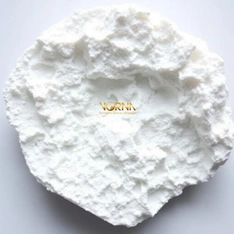
Calcium carbonate plays an important role in environmental protection and remediation. In water treatment, it is used to neutralize acidic water, remove impurities, and stabilize pH levels, making it safe for consumption and industrial use. In flue gas desulfurization systems, calcium carbonate reacts with sulfur dioxide emissions from power plants to form gypsum, which can be repurposed in construction materials, reducing harmful air pollutants. In mining regions, calcium carbonate is used to treat acid mine drainage, preventing the spread of toxic metals into waterways. Its eco-friendly nature, coupled with its ability to restore environmental balance, makes it an indispensable material in environmental engineering projects around the world.
Production and Processing of Calcium Carbonate
The production of calcium carbonate involves either extracting it directly from natural deposits or synthesizing it through industrial processes. Quarrying operations use drilling, blasting, and crushing to obtain raw limestone or marble, which is then processed into various particle sizes depending on the intended application. For PCC production, calcium oxide (quicklime) is first obtained by heating limestone, then combined with water to form calcium hydroxide, which reacts with carbon dioxide to precipitate calcium carbonate. Advanced processing techniques such as air classification, surface coating, and micronization enhance product performance for specific industries. The production process is carefully controlled to ensure consistency, purity, and compliance with safety standards.
Calcium carbonate also finds uses in products like Bentonite Clay Cat Litter, where its absorbent properties are crucial. To understand more about Bentonite Clay Cat Litter and its benefits, check out our detailed article.
Safety and Handling of Calcium Carbonate
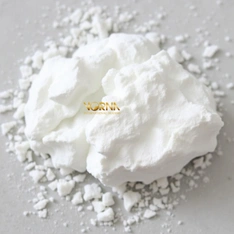
While calcium carbonate is generally recognized as safe for human, animal, and environmental exposure, certain precautions are necessary during handling, particularly in industrial settings. Inhalation of fine calcium carbonate dust can cause respiratory irritation, so appropriate personal protective equipment, such as masks and goggles, should be worn during processing and packaging. Prolonged or excessive ingestion of calcium carbonate supplements may lead to hypercalcemia, a condition characterized by elevated calcium levels in the blood, which can cause kidney problems and other health issues. Storage should be in a dry, well-ventilated area to prevent moisture absorption and clumping. Following proper handling guidelines ensures that calcium carbonate remains a safe and effective material for its intended uses.
Global Market Trends for Calcium Carbonate
The global calcium carbonate market is experiencing steady growth due to increasing demand from industries such as paper, plastics, construction, and agriculture. The Asia-Pacific region dominates production and consumption, with China and India leading the way thanks to rapid industrialization and infrastructure development. North America and Europe remain significant markets, driven by advanced manufacturing technologies and environmental regulations promoting eco-friendly materials. Innovations in nano-calcium carbonate and coated calcium carbonate are expanding the range of high-performance applications. Additionally, sustainability initiatives are encouraging industries to adopt calcium carbonate as a natural, recyclable filler that reduces environmental impact. Market forecasts indicate continued growth as global economies invest in infrastructure, health, and environmentally responsible manufacturing.
Both calcium carbonate and What is Sodium Hydroxide are essential in various industries, but they serve very different roles. To dive deeper into the properties of What is Sodium Hydroxide, visit our detailed guide.