What is Talc Powder?
Talc powder is a naturally occurring mineral substance that is ground into a very fine, white powder and used in a wide variety of industries. It is composed mainly of magnesium, silicon, and oxygen, and is known for being one of the softest minerals on Earth. Talc powder is highly valued for its silky texture, ability to absorb moisture, and resistance to heat, which makes it versatile in industrial, cosmetic, and pharmaceutical applications. For centuries, talc has been mined and processed to serve as a base ingredient in countless consumer and commercial products. Its unique properties, such as being chemically inert and non-reactive, allow talc powder to be safely incorporated into everything from baby powder and makeup to paper, paints, and plastics.
Potassium carbonate is an important chemical compound widely used in industries such as agriculture, food production, and glass manufacturing. It plays a significant role as a fertilizer, food additive, and in the production of glass, soap, and detergents. Learn more about What is Potassium Carbonate? and explore its applications and benefits across various sectors.
Talc Powder Composition and Properties
Talc powder is made from the mineral talc, which is composed of hydrated magnesium silicate. This mineral forms naturally in metamorphic rocks and is extracted from talc mines around the world. What makes talc powder unique is its soft, smooth feel, ranking “1” on the Mohs hardness scale, meaning it can even be scratched with a fingernail. Talc is also hydrophobic, which means it repels water, making it effective in absorbing excess moisture and preventing clumping. Its plate-like crystal structure allows it to create a silky, slippery surface, which is why it is often used as a lubricant in industrial processes. Chemically inert and stable, talc does not react with most substances, further expanding its usability in sensitive applications.

Industrial Uses of Talc Powder
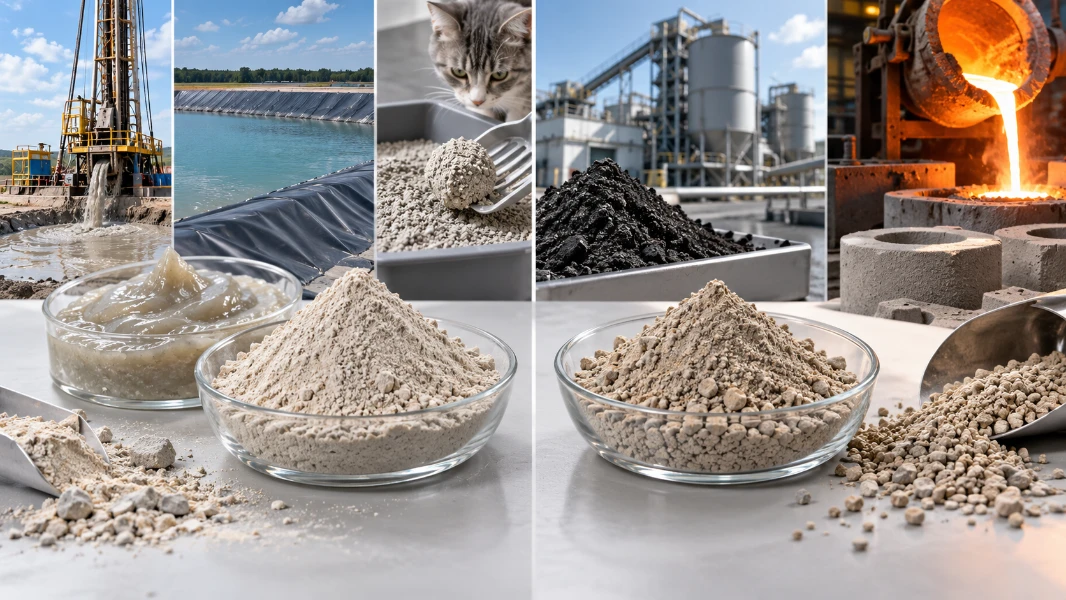
Talc powder plays an essential role in multiple industries due to its physical and chemical properties. In the paper industry, talc is used as a filler to improve brightness, smoothness, and printability. In plastics and rubber, it enhances strength, stiffness, and heat resistance, while reducing shrinkage in molded parts. In the ceramics industry, talc powder improves thermal shock resistance and acts as a flux to reduce firing temperatures. Paint manufacturers use talc to enhance opacity and reduce cracking, providing a longer lifespan for coatings. Additionally, talc powder finds application in roofing materials and construction, where its durability and moisture resistance add value. These diverse industrial uses demonstrate how talc powder supports efficiency, quality, and product performance across global markets.
Calcium carbonate is a widely used mineral that appears in many products such as paints, plastics, and even in food products as a calcium supplement. It’s a crucial component in construction materials, and its natural abundance makes it an essential part of various industries. Discover What is Calcium Carbonate? and how this versatile compound is utilized in daily life and industrial processes.

Cosmetic and Personal Care Applications of Talc Powder
One of the most well-known uses of talc powder is in cosmetics and personal care products. Talc’s silky texture and absorbent qualities make it a key ingredient in face powders, blushes, foundations, and eye shadows. It helps control shine, smooth the skin, and improve the spreadability of makeup formulations. Talc powder is also commonly found in body powders, deodorants, and baby powders due to its moisture-absorbing ability and soothing effect on the skin. Its inert nature means it does not interfere with fragrances or colorants, making it suitable for delicate cosmetic blends. In personal care, talc is valued for enhancing product performance while offering a luxurious feel, which explains its continued popularity despite debates over its safety.

Talc Powder in Pharmaceuticals
In the pharmaceutical industry, talc powder is frequently used as an excipient in tablet formulations. It acts as a glidant, preventing ingredients from clumping and improving powder flow during manufacturing. Talc also works as a lubricant, ensuring tablets release easily from molds and maintain consistent size and shape. Beyond solid dosage forms, talc powder may be incorporated into medicated powders for skin applications, where it provides a soothing, protective layer. In surgical procedures, purified talc is sometimes used in pleurodesis treatment, where it helps fuse lung membranes to prevent fluid buildup. Its chemical stability, non-reactivity, and cost-effectiveness have secured talc’s place in medical and pharmaceutical production for decades, although regulations require it to meet strict purity standards.
Sodium hydroxide, also known as lye or caustic soda, is a strong alkali used in numerous industrial processes, from cleaning to chemical manufacturing. It plays a crucial role in soap production, petroleum refining, and water treatment. Dive deeper into What is Sodium Hydroxide? to understand its chemical properties and its diverse applications in industries around the world.

Safety and Health Around Talc Powder
The use of talc powder has not been without controversy, especially regarding its safety in long-term or intimate applications. Some studies have suggested potential links between talc use and health risks, particularly when used in the genital area, though scientific consensus remains divided. The main concern comes from the possibility of talc deposits being contaminated with asbestos, a known carcinogen, during mining. Regulatory agencies, including the FDA and EU bodies, require cosmetic and pharmaceutical talc to be asbestos-free, ensuring higher safety standards. Despite these safeguards, lawsuits and consumer concerns have pushed companies to reformulate or provide alternatives in some markets. The ongoing debate highlights the importance of transparent testing, responsible sourcing, and consumer education when it comes to talc powder use.

Talc Powder in Food Industry and Agriculture
Although less widely known, talc powder also plays roles in food processing and agricultural applications. In the food industry, talc is sometimes used as an anti-caking agent in spices, powdered sugar, and other dry products, helping them remain free-flowing. It can also be found as a polishing agent for rice, chewing gum, or candies, giving them a smooth, attractive appearance. In agriculture, talc powder is used as a carrier for pesticides, herbicides, and insecticides, improving their application and stability. Talc helps prevent clumping of seeds when mixed with treatments, ensuring even distribution during planting. With strict quality controls, food-grade talc remains safe for consumption in regulated amounts, demonstrating its wide versatility even beyond industrial and cosmetic uses.
Global Market of Talc Powder
The demand for talc powder continues to grow worldwide, fueled by industries such as cosmetics, pharmaceuticals, plastics, ceramics, and food processing. Countries like China, India, the United States, and Brazil are among the largest producers and exporters of talc. High-quality talc deposits are concentrated in regions with specific geological conditions, and mining practices are critical to maintaining product purity. Global trade trends indicate rising demand in developing economies due to expanding consumer markets and industrial growth. However, safety regulations and sustainability concerns also influence production, pushing companies toward eco-friendly practices. With ongoing research and market adaptation, talc powder remains a vital mineral commodity that supports diverse sectors across the globe.
Caustic soda, another name for sodium hydroxide, is a highly versatile and reactive chemical used in a variety of industrial applications. From soap and detergent production to oil refining and water purification, caustic soda is an essential compound. Learn more about What is Caustic Soda? and its significance in manufacturing and daily use.