

What Is Feldspar?
Feldspar is a group of rock-forming minerals that dominate the Earth’s crust, making up more than half of all rocks found on the planet. When geologists define *what is feldspar*, they describe it as a tectosilicate mineral family that includes aluminum, silicon, and oxygen combined with variable amounts of potassium, sodium, and calcium. These variations are what distinguish the different feldspar minerals from each other, but they all share a framework crystal structure that gives them unique properties. Feldspar plays a critical role in geology because it is present in igneous, metamorphic, and sedimentary rocks, serving as an indicator of rock classification and formation history. Its name originates from German roots meaning “field stone,” showing how widely distributed it is in nature. Feldspar is not just abundant but also economically significant, as it supports global industries ranging from ceramics to glassmaking, where its fluxing properties are essential for manufacturing processes.
When exploring industrial minerals beyond feldspar, Bentonite Clay stands out for its unique absorption and swelling properties. It is widely applied in construction, foundry molds, and even cosmetic products. You can learn more and explore our Bentonite Clay products designed for diverse industries.

Feldspar Types
There are two main feldspar types: alkali feldspar and plagioclase feldspar. Alkali feldspar contains high amounts of potassium and sodium, with common varieties including orthoclase, sanidine, and microcline. These minerals are usually pink, reddish, or white, and are abundant in granitic rocks. Plagioclase feldspar, on the other hand, forms a solid solution series between albite (sodium-rich)and anorthite (calcium-rich). This group typically appears in shades of white, gray, or bluish, and is common in mafic rocks such as basalt and gabbro. Understanding the difference between alkali feldspar and plagioclase feldspar is vital in geology because each type reveals information about the cooling history and chemical environment of the magma from which it crystallized. Feldspar types are also used as diagnostic tools in petrology, as their chemical composition, crystal symmetry, and cleavage patterns can be examined under a microscope to classify rocks more accurately.
Feldspar Occurrence
Feldspar occurrence is so widespread that it is considered the most common mineral family in the Earth’s crust. These minerals appear in both intrusive igneous rocks like granite and extrusive volcanic rocks like rhyolite and basalt. Feldspar also occurs in metamorphic rocks such as gneiss and schist, where it forms under conditions of high pressure and temperature. In sedimentary environments, feldspar is less common because it weathers quickly into clay minerals like kaolinite, yet it still occurs in sandstones known as arkose, which contain a high percentage of feldspar grains. Large feldspar deposits suitable for industrial mining are found in countries such as Turkey, China, Italy, India, and the United States. These deposits often form in pegmatites, where slow cooling allows feldspar crystals to grow to large sizes. The global distribution of feldspar deposits reflects the universal role of this mineral group in Earth’s geology and its significance in both science and industry.
In addition to feldspar’s uses, drilling applications often rely on Bentonite Clay Drilling Mud for its viscosity and filtration control. This mineral is essential in stabilizing boreholes and improving drilling efficiency. Discover more about our specialized Bentonite Clay Drilling Mud for oil and gas projects.
Feldspar Structure
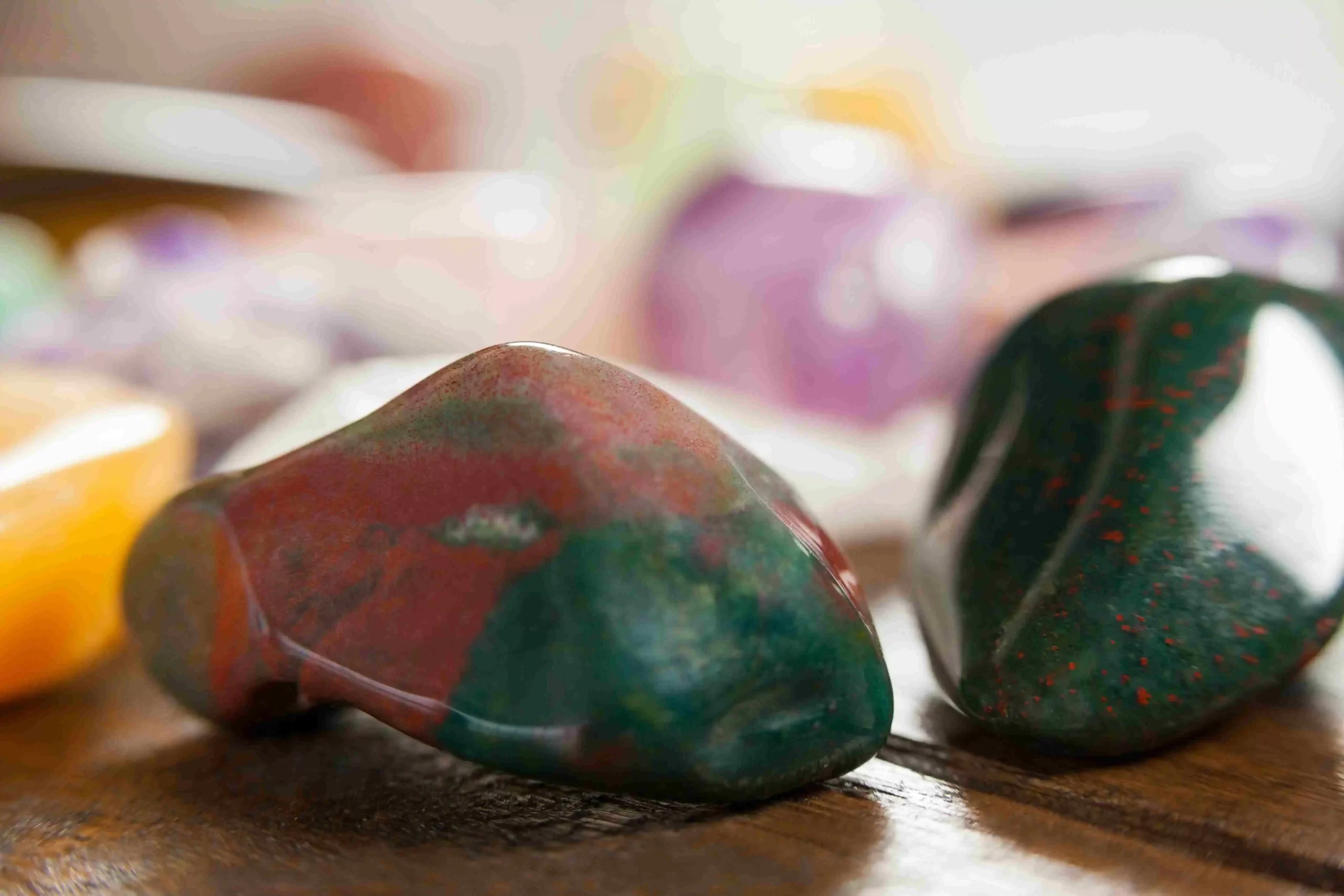
The feldspar structure belongs to the tectosilicate framework, where silicon and aluminum atoms are arranged in a three-dimensional network of tetrahedra linked by shared oxygen atoms. In this structure, some silicon atoms are replaced by aluminum, creating a charge imbalance that is balanced by cations such as potassium, sodium, or calcium. This substitution is what leads to the diversity of feldspar minerals. Feldspar crystals commonly display perfect cleavage in two directions at nearly right angles, which is a key identification feature. Depending on the specific type, feldspar may crystallize in monoclinic or triclinic systems, giving minerals like orthoclase or albite their unique internal symmetry. The structural properties of feldspar are crucial in understanding its role as a flux in industrial applications, because the arrangement of atoms influences how easily the mineral melts and interacts with other materials. This framework structure also explains feldspar’s durability in igneous environments and its chemical reactivity during weathering.
Feldspar Abundance
Feldspar abundance is unmatched among minerals, as it accounts for nearly 60% of the Earth’s crust. This remarkable presence makes feldspar the single most significant mineral group in geology. The abundance of feldspar means it serves as a fundamental reference point for classifying and studying igneous rocks, since almost every rock contains some feldspar component. In continental crust, alkali feldspars dominate in granitic and rhyolitic rocks, while plagioclase feldspars are common in oceanic crust within basalt and gabbro. This distribution highlights feldspar’s importance in plate tectonics and crustal differentiation. Because feldspar is so widespread, its weathering is also a major contributor to soil formation, releasing elements like potassium and sodium into the environment. These nutrients play indirect roles in plant growth and soil chemistry, making feldspar part of the long-term link between geology and biology. The mineral’s abundance ensures it is not only scientifically vital but also industrially reliable as a raw material.
While feldspar serves in ceramics and glass, drilling industries benefit from Barite Drilling Mud, known for its high density and ability to control pressure. It is a crucial weighting agent that enhances drilling safety. Explore our full range of Barite Drilling Mud for industrial applications.
Feldspar Uses in Industry
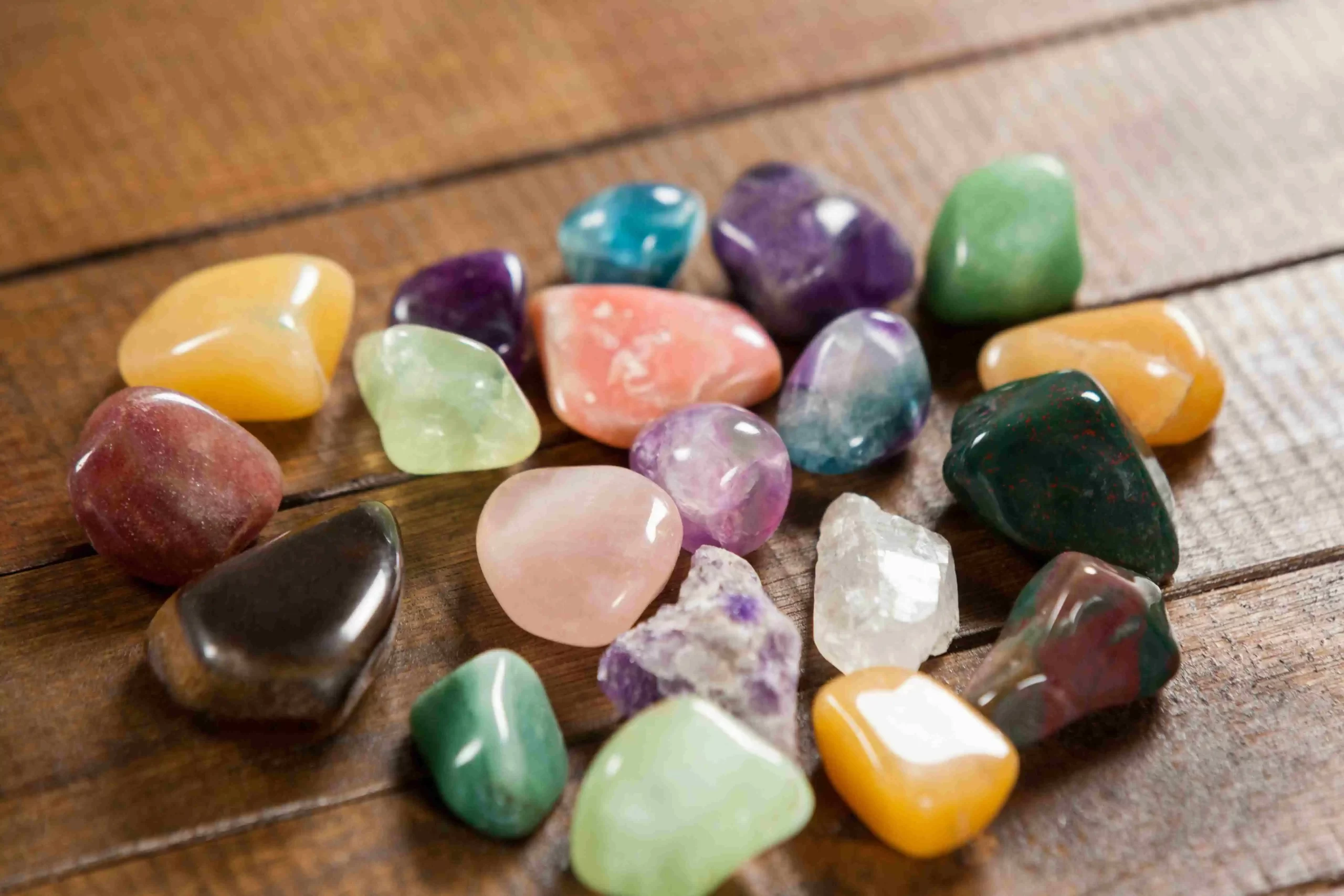
Feldspar uses in industry are extensive because of its chemical and physical properties that make it suitable for many manufacturing processes. The most important role of feldspar in industry is as a fluxing agent, which lowers the melting temperature of mixtures and allows products like glass and ceramics to be produced more efficiently. This property not only saves energy but also improves the quality and durability of finished products. In the glass industry, feldspar contributes alumina, which increases hardness and resistance to chemical corrosion. In ceramics, feldspar promotes vitrification, creating a smooth and durable surface. Feldspar is also used in fillers for paints, plastics, and rubber, where it provides chemical stability and resistance to wear. Its finely ground form is valued in the production of adhesives and coatings, where it improves surface quality. The versatility of feldspar uses in industry highlights its role as a backbone material in both traditional and modern technologies.
Beyond feldspar’s role in industry, understanding chemical compounds like sodium hydroxide is vital. If you’ve ever wondered What is Sodium Hydroxide, this compound is essential for paper production, textiles, and water treatment. Learn more in our detailed article: What is Sodium Hydroxide.
Feldspar in Ceramics
Feldspar in ceramics is one of the most vital applications of this mineral group, as it is a key ingredient in the production of tiles, sanitary ware, tableware, and porcelain. When feldspar is heated in a kiln, it acts as a flux that melts and fuses other materials such as quartz and clays, lowering the overall firing temperature while ensuring strength and durability in the final ceramic product. This not only reduces production costs but also allows manufacturers to create high-quality ceramics with smooth textures and glossy finishes. Feldspar in ceramics also contributes alumina, which improves mechanical strength, hardness, and resistance to scratching. Additionally, its presence enhances translucency in porcelain and improves the aesthetic quality of glazed surfaces. Different types of feldspar, whether sodium, potassium, or calcium-rich, can be blended to achieve specific firing results, making it a flexible material in ceramic technology. Without feldspar, the modern ceramic industry would not be able to meet the standards required for daily household and industrial products.

Feldspar in Glassmaking
Feldspar in glassmaking is equally significant, as it provides alumina and alkali oxides that improve the quality and performance of glass products. In the manufacturing of flat glass for windows and containers such as bottles, feldspar acts as a fluxing material that reduces melting temperatures and saves energy during production. The addition of feldspar increases the hardness, durability, and resistance of glass to chemical corrosion and scratching. In specialty glasses used for laboratory equipment, automotive components, and even fiberglass, feldspar contributes to thermal stability and strength. The high alumina content of feldspar prevents devitrification, ensuring that the glass remains clear and free of crystallized impurities. Potassium-rich feldspar is especially valuable for glass that requires high transparency and mechanical strength. From everyday items like drinking glasses to advanced glass fibers used in construction, feldspar in glassmaking is a critical ingredient that ensures both functionality and efficiency in production processes worldwide.
Feldspar in Earth Sciences
Feldspar in earth sciences is essential for understanding geological processes and the history of the planet. Because feldspar minerals are abundant in igneous, metamorphic, and sedimentary rocks, they serve as indicators of rock classification and petrogenesis. Geologists rely on feldspar composition to interpret the cooling rates and chemical environments of magmas, as well as the pressure and temperature conditions of metamorphism. Feldspar minerals are also central to radiometric dating methods, particularly potassium-argon dating, which uses potassium-bearing feldspars to determine the age of rocks and geological events. In addition, the study of feldspar weathering provides insights into soil formation, landscape evolution, and the global geochemical cycles of elements like potassium, sodium, and calcium. Because feldspar reacts readily with water and carbon dioxide, it plays an important role in long-term climate regulation by contributing to the carbon cycle. Feldspar in earth sciences therefore bridges the gap between mineralogy, petrology, and environmental studies.
Feldspar Applications
Other feldspar applications extend beyond ceramics and glassmaking, showing how versatile this mineral group truly is. In the paint industry, finely ground feldspar is used as a filler to provide durability, chemical resistance, and smooth application. In plastics and rubber, feldspar acts as a functional filler that enhances toughness and resistance to abrasion. Feldspar is also used in the production of enamels, where it contributes to glossy finishes and resistance to thermal shock. In the welding industry, feldspar powders are sometimes used in flux coatings for electrodes, helping stabilize arcs and improve weld quality. Beyond industrial applications, feldspar minerals are of interest to gem collectors, as varieties such as moonstone, labradorite, and amazonite are prized for their unique optical effects and colors. These gemstones are used in jewelry and decorative arts, adding aesthetic value to feldspar’s already significant industrial role. The wide range of feldspar applications ensures that it remains one of the most indispensable mineral groups in modern society.
In many processes where feldspar is used, other industrial chemicals play a key role. If you’re asking What is Caustic Soda, this strong alkali is widely used in soap manufacturing, chemical synthesis, and refining. Explore our in-depth guide: What is Caustic Soda.


