

What is Himalayan Pink Salt
Himalayan pink salt is a type of rock salt that is mined from the Punjab region of Pakistan, near the foothills of the Himalayas. It gets its distinctive pink hue from trace minerals, including magnesium, potassium, and calcium. Known for its unique appearance and supposed health benefits, Himalayan pink salt has become a staple in kitchens, spas, and even in home decor. It is often considered a healthier alternative to traditional table salt due to its natural composition and minimal processing. Over the years, its popularity has surged globally, driven by wellness trends and culinary innovation. As a result, it now appears in everything from gourmet meals to bath soaks and salt lamps.
Discover the unique taste and natural minerals of our Himalayan pink salt, perfect for enhancing any dish. This premium pink salt is sourced directly from the Himalayan mountains.
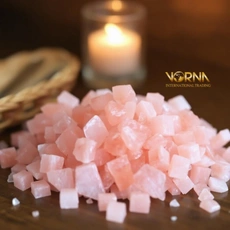
Origin of Himalayan Pink Salt
Himalayan pink salt is believed to be the remnants of ancient seas that evaporated millions of years ago. The salt deposits were formed when tectonic activity trapped seawater beneath the Earth’s surface, which then crystallized over time. Mined primarily in the Khewra Salt Mine in Pakistan, these salt crystals have remained untouched by pollutants due to their underground location. The mine itself is one of the oldest and largest in the world, dating back to the time of Alexander the Great. Workers extract the salt manually using traditional techniques, ensuring that its natural integrity remains intact. This origin story adds to the salt’s allure and is a key factor in its global appeal and perceived purity.
Mineral Composition of Himalayan Pink Salt
Himalayan pink salt is celebrated for its rich mineral profile, containing over 80 trace elements and minerals. While sodium chloride remains its primary component, it also includes magnesium, calcium, potassium, and iron. These additional minerals are what give the salt its signature pink color. The presence of these elements can contribute to better hydration, electrolyte balance, and improved nutrient absorption. Unlike processed table salt, which often has additives and is stripped of minerals, Himalayan salt retains its natural composition. Many believe this makes it a more holistic choice for seasoning and therapeutic use. The unique composition is also what makes it a favorite in health-conscious households and natural wellness communities.
Minerals in Himalayan Pink Salt
The minerals found in Himalayan pink salt play a crucial role in promoting various health benefits. Iron, for example, contributes to the pink tint and supports oxygen transport in the blood. Calcium is vital for bone strength, while magnesium aids in muscle function and relaxation. Potassium helps maintain fluid balance and supports nerve signals. Other trace elements like zinc, selenium, and chromium also exist in small amounts, each contributing to overall wellness. These minerals are naturally occurring, making Himalayan pink salt a nutrient-rich seasoning compared to more refined salts. This diverse mineral content has made the salt popular in both dietary and non-dietary applications, including cosmetics and therapeutic settings.
Benefits of Himalayan Pink Salt
The benefits of Himalayan pink salt extend beyond its use in cooking. Due to its mineral content, it is believed to help with electrolyte balance, support respiratory function, and enhance hydration. Some users claim that it can aid in lowering blood pressure when used moderately in place of regular table salt. Himalayan pink salt is also used in salt therapy or halotherapy, where inhaling salt-infused air is thought to improve respiratory conditions like asthma and allergies. The minerals may also support pH balance and improve sleep quality. While scientific evidence varies, anecdotal claims and traditional uses continue to support its reputation as a versatile and beneficial product. Its popularity in wellness circles is driven by both its aesthetic appeal and health-related advantages.
Now that you know the essentials of Himalayan pink salt, it’s time to see how it stacks up against other natural salts. Check out this full comparison: Black Salt vs. Pink Salt.
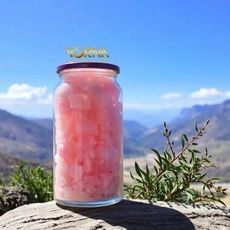
Himalayan Pink Salt Advantages
Himalayan pink salt offers several advantages over conventional salt products. Its unrefined nature means it retains essential minerals that are often removed during industrial processing. This makes it a more nutrient-dense option for those seeking healthier seasoning alternatives. Additionally, its coarse texture and vibrant color make it a favorite among chefs for both visual appeal and flavor enhancement. The salt’s versatility allows it to be used not just in food but also in bath products, lamps, and skincare treatments. Its lower sodium content per gram, compared to table salt, can also be beneficial for individuals managing sodium intake. These combined advantages contribute to its rising demand across diverse sectors.
Himalayan Pink Salt Side Effects
Despite its many benefits, Himalayan pink salt is not without potential side effects. Overconsumption can lead to health issues such as high blood pressure, kidney strain, and fluid retention, just like any salt. The trace minerals, while beneficial in small amounts, can accumulate if the salt is consumed excessively. Some individuals may also be allergic to certain minerals present in the salt. Furthermore, not all Himalayan salt on the market is authentic, and lower-quality products may be contaminated or lack the advertised mineral content. As with any dietary supplement, moderation is key to avoiding negative outcomes. Consulting with a healthcare provider is advisable for individuals with specific health concerns or dietary restrictions.
How to Use Himalayan Pink Salt
Himalayan pink salt can be used in a variety of ways, both culinary and non-culinary. In cooking, it serves as a finishing salt, seasoning for meats and vegetables, and even as a base for salt blocks used in grilling and serving. It dissolves quickly in soups, stews, and marinades, adding a subtle, mineral-rich flavor. In wellness practices, it’s used in salt lamps, bath soaks, and nasal rinses for its purported purifying properties. In skincare, it appears in scrubs and exfoliants for its detoxifying effect. The salt can also be used in homemade electrolyte drinks and brines. Its wide range of applications makes it a must-have in holistic households.
How Is Himalayan Pink Salt Used in Daily Life?
In daily life, Himalayan pink salt serves both functional and aesthetic purposes. Many people use it as a healthier substitute for regular table salt in their diets. Its coarse crystals are often ground fresh for seasoning dishes. In the home, it is featured in salt lamps that are believed to cleanse air and create a calming ambiance. For personal care, bath salts containing Himalayan salt are popular for relaxation and skin rejuvenation. Some individuals incorporate it into morning routines through sole water, a mixture of salt and water believed to boost energy. Its inclusion in routine wellness and lifestyle practices illustrates its broad appeal and everyday utility.
In addition to culinary uses, Himalayan salt mining also supports bulk-grade Industrial Salt used in various industries for water treatment, de-icing, and chemical processes.
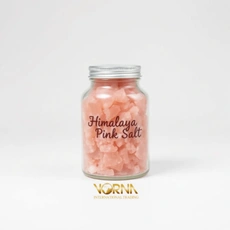
Culinary Uses of Himalayan Pink Salt
Himalayan pink salt is a favorite among culinary experts for its taste, texture, and visual appeal. It can be used in grinding form for seasoning dishes or in block form for cooking and serving. Salt blocks can retain high temperatures and are used for grilling meats, vegetables, and even seafood. The salt imparts a delicate flavor that enhances the natural taste of ingredients without overpowering them. It is also used to cure meats and flavor brines for pickling. Its aesthetic quality adds a gourmet touch to dishes, making it popular in upscale kitchens and home dining experiences. Its culinary versatility is unmatched among natural salts.
Himalayan Pink Salt in Skincare Products
Himalayan pink salt is a common ingredient in natural skincare products due to its mineral content and exfoliating properties. It’s often found in body scrubs, facial masks, and bath salts, where it helps to remove dead skin cells and promote circulation. The salt’s antibacterial nature makes it useful for treating acne and minor skin irritations. It can also help detoxify the skin by drawing out impurities. Spas frequently use Himalayan salt in therapeutic treatments like salt baths and scrubs for a rejuvenating experience. The minerals can also nourish the skin, leaving it feeling soft and refreshed. Its natural origin makes it a favorite in organic and holistic skincare lines.
Decorative Uses of Himalayan Pink Salt
Beyond health and culinary applications, Himalayan pink salt is widely used for decorative purposes. Salt lamps made from large salt crystals are popular home decor items believed to improve air quality and mood. These lamps emit a soft, warm glow that adds ambiance to any room. They are often placed in living rooms, bedrooms, and meditation spaces to promote relaxation. Himalayan salt candle holders serve a similar purpose, combining aesthetics with wellness. Some artisans even craft salt sculptures and tiles for interior design. These decorative items are both beautiful and functional, making Himalayan salt a popular choice for natural and holistic home decor.
Himalayan Pink Salt vs Regular Table Salt
Himalayan pink salt differs significantly from regular table salt in terms of composition, processing, and appearance. Table salt is typically heavily refined and stripped of minerals, with additives like anti-caking agents and iodine. In contrast, Himalayan salt is minimally processed and retains its natural minerals. It has a coarser texture and a distinctive pink hue due to its mineral content. Taste-wise, it offers a more nuanced flavor that many chefs prefer. From a health perspective, the added minerals may offer slight benefits, although both salts should be used in moderation. The natural origin and aesthetic qualities of Himalayan salt make it a preferred choice for those seeking less processed alternatives.
Learn about Pink Salt vs Sea Salt
Is Himalayan Pink Salt Really Healthier?
The health benefits of Himalayan pink salt are often touted, but they depend largely on how it’s used. While it contains trace minerals not found in regular salt, these are present in relatively small quantities. Therefore, the health impact from mineral content alone may be minimal. However, the absence of additives and preservatives found in table salt is a plus for those seeking cleaner, more natural ingredients. Some users report improved hydration, better digestion, and enhanced respiratory function, especially when used in therapies like salt inhalation. Still, scientific backing is limited, and more research is needed. Used mindfully, Himalayan pink salt can be a healthier option for those focused on natural wellness.
Where to Buy Himalayan Pink Salt
Himalayan pink salt is widely available both online and in physical retail stores. Health food stores, gourmet markets, and natural product retailers often carry it in various forms—from fine and coarse grains to salt blocks and lamps. Online platforms like Amazon, iHerb, and specialty wellness websites offer bulk options and product reviews. It’s important to verify the authenticity of the salt by checking the origin and quality certifications. Look for reputable brands that source directly from the Khewra mines in Pakistan. Prices can vary depending on the form and packaging, so compare options to find what suits your needs. Buying from trusted sources ensures you get the full benefits of this natural product.
How to Store Himalayan Pink Salt
Storing Himalayan pink salt properly helps maintain its quality and effectiveness. Keep the salt in an airtight container to prevent moisture absorption, which can cause clumping. Glass jars, ceramic pots, or BPA-free plastic containers with tight lids work well. Store it in a cool, dry place away from direct sunlight and humidity, such as a pantry or kitchen cabinet. If you’re using a salt block, dry it thoroughly after each use to prevent cracking and prolong its life. For salt lamps, ensure they are kept in low-humidity environments to avoid sweating. Proper storage not only extends shelf life but also preserves its mineral content and visual appeal.
For a bold twist on traditional salts, explore our Mineral Orange Salt — a vibrant, mineral-rich alternative inspired by the same ancient sources as Himalayan salt.
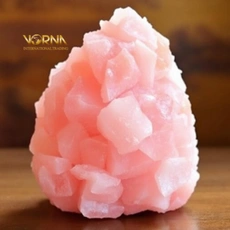
Interested in other rare and exotic salts like Himalayan pink salt? Discover the striking appearance and unique benefits of What is blue salt in our detailed article.