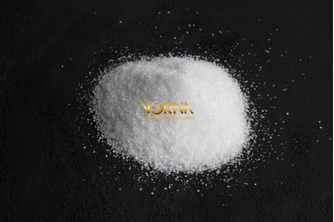

What is Potassium Carbonate?
Potassium carbonate (K₂CO₃) is an inorganic compound that is commonly used in a variety of industries. It is a white, water-soluble salt that has a wide range of applications in the production of glass, soap, fertilizers, and even food processing. Known for its basicity and alkaline properties, potassium carbonate is also used in the manufacturing of chemicals, acting as an important precursor for various reactions.
Potassium carbonate and What is Sodium Hydroxide? are both important alkaline compounds used across various industries. While potassium carbonate is often used in glassmaking and fertilizer production, Sodium Hydroxide (also known as caustic soda) plays a key role in manufacturing, cleaning products, and water treatment processes.

Characteristics of Potassium Carbonate
Potassium carbonate is an odorless, crystalline powder that dissolves in water to form an alkaline solution. It has a high melting point and is stable under normal conditions. Potassium carbonate plays a vital role in several chemical processes, including the creation of other potassium compounds and in the treatment of certain industrial effluents. Additionally, potassium carbonate is commonly used in laboratories as a drying agent due to its hygroscopic properties, which means it absorbs moisture from the surrounding environment.
Applications of Potassium Carbonate
Potassium carbonate is used in a range of sectors due to its versatile properties. One of its most significant applications is in the production of glass. The compound is used in glassmaking to improve the quality of glass by lowering the melting temperature of silica. Furthermore, potassium carbonate is essential in the production of soap, where it acts as a key ingredient in making soft soaps that are effective in cleaning and removing oils.
Another notable use of potassium carbonate is in fertilizers. It serves as a source of potassium, an essential nutrient for plant growth. The compound is especially important in agricultural processes to help increase crop yields and improve soil health. Additionally, potassium carbonate is often used in the manufacturing of potassium salts and other chemicals, contributing to various industrial processes.
Potassium Carbonate in Food and Beverages
In food production, potassium carbonate is used as a food additive and a leavening agent. It is commonly found in certain baked goods and in beverages like beer, where it helps in maintaining the desired pH level and stabilizing the product. Additionally, potassium carbonate is sometimes used in the production of chocolate to enhance the texture and smoothness of the final product. Because it is a naturally occurring compound, it is considered safe for consumption when used within approved limits.
Both potassium carbonate and What is Caustic Soda? (sodium hydroxide) are powerful alkaline chemicals used in a variety of industrial applications. Potassium carbonate is essential in soap production and agriculture, while Caustic Soda is commonly used in water treatment, manufacturing, and the production of biodiesel.

Industrial Manufacturing of Potassium Carbonate
Potassium carbonate is a critical chemical in various industrial applications. It is used as a base in chemical synthesis, especially in the production of potassium salts such as potassium chloride, potassium sulfate, and potassium nitrate. These salts are then used in a variety of sectors, including agriculture, food production, and chemical manufacturing. Potassium carbonate is also involved in some specialized processes like carbon capture, where it reacts with carbon dioxide to form potassium bicarbonate, an essential step in removing CO₂ from industrial emissions.
Potassium Carbonate in Water Treatment
Another significant use of potassium carbonate is in water treatment, where it serves as a neutralizing agent. Due to its alkaline nature, potassium carbonate is effective in balancing the pH of water, especially in industrial effluents that may have become too acidic. By neutralizing the acidic compounds, potassium carbonate helps to make water safe for disposal or further treatment. It is commonly used in municipal water treatment plants as well as in industries that deal with large amounts of wastewater.
Safety Considerations of Potassium Carbonate
Although potassium carbonate is relatively safe to handle, precautions should be taken to avoid skin or eye irritation. It is considered non-toxic, but contact with the compound can cause discomfort due to its alkaline nature. Always use gloves, protective eyewear, and adequate ventilation when working with potassium carbonate, especially in industrial settings. Ingestion of large quantities of potassium carbonate can lead to health issues like stomach irritation or vomiting, so proper handling and storage are essential to ensure safety.
The Role of Potassium Carbonate in Chemical Laboratories
Potassium carbonate plays a vital role in chemical laboratories, especially in organic chemistry, where it is often used as a drying agent or as a base in certain reactions. Its ability to absorb moisture makes it valuable in experiments where water must be excluded. It is also commonly employed in synthesis reactions, where it provides the necessary alkaline environment for various reactions to take place. Furthermore, potassium carbonate is used in the preparation of potassium-based reagents that are essential for specific chemical analyses.
Potassium Carbonate in the Production of Potash
Potassium carbonate is a key ingredient in the production of potash, an essential fertilizer that is used extensively in agriculture. Potash, which contains potassium in various forms, is vital for plant growth and is one of the three primary nutrients needed for healthy crop development, along with nitrogen and phosphorus. The production of potash involves extracting potassium carbonate from minerals like sylvite and then processing it to create potassium chloride, potassium sulfate, or other potassium compounds. This process is crucial for maintaining soil fertility and ensuring optimal crop yields.
Environmental Impact of Potassium Carbonate
When used responsibly, potassium carbonate has a relatively low environmental impact. However, the large-scale production and use of potassium carbonate can have potential environmental consequences. The mining of potassium-containing minerals can lead to habitat disruption and resource depletion if not managed sustainably. Additionally, improper disposal of potassium carbonate in water systems can affect the pH balance of natural water bodies, which can be harmful to aquatic life. It is crucial for industries to adhere to regulations and best practices to minimize these environmental impacts.
Potassium carbonate shares many similarities with What is Calcium Carbonate?, another widely used compound in industries such as construction and agriculture. While potassium carbonate is often utilized in fertilizers, Calcium Carbonate is primarily used in cement production and as an effective antacid in pharmaceuticals.