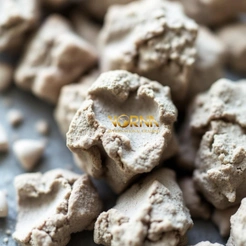

Bentonite Uses in Pharmaceuticals
Bentonite is widely used in the pharmaceutical industry for its remarkable absorption, swelling, and stabilizing properties. As a natural clay, bentonite helps improve drug delivery, enhance tablet binding, and stabilize suspensions. Its ability to swell and retain moisture makes it ideal for use in both solid and liquid pharmaceutical formulations. Pharmaceutical-grade bentonite is safe, purified, and meets regulatory standards for human consumption. It is commonly found in antacids, detox powders, and topical creams. Its non-toxic nature and cost-effectiveness make it a valuable ingredient in modern medicine production.
Among the many Bentonite uses in pharmaceuticals, understanding its industrial grades is crucial. Learn more in our guide on What Is API Bentonite?
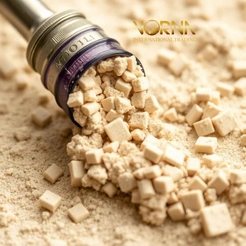
What Is Pharmaceutical Bentonite?
Pharmaceutical-grade bentonite refers to a highly purified form of bentonite clay that meets strict quality and safety standards. This type of bentonite is free from harmful contaminants and heavy metals, ensuring it is safe for human use. It undergoes rigorous testing and processing to meet pharmacopoeial specifications. This purified clay is used in drug formulations where high purity and consistency are essential. Pharmaceutical bentonite is valued for its fine particle size, swelling capacity, and smooth texture. Its regulatory compliance makes it suitable for oral and topical products.
While Bentonite uses in pharmaceuticals focus on medical and internal benefits, its external applications are just as impressive.
Skin health is another area where bentonite shines. Discover the beauty side with the Bentonite Clay Mask and its detoxifying power.
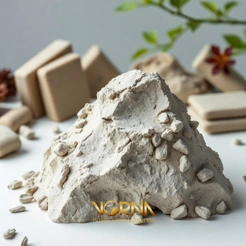
Bentonite Properties for Medicine
Bentonite’s unique physical and chemical properties make it ideal for medical applications. It has a strong negative electrical charge that allows it to bind to positively charged toxins and impurities in the body. Its high swelling ability enhances its function in suspensions and gel-based products. Bentonite is also known for its lubricating and softening characteristics, important in topical applications. It’s chemically inert, hypoallergenic, and non-toxic, which is crucial for use in sensitive pharmaceutical environments. These properties contribute to its widespread adoption in drug manufacturing.
Bentonite in Drug Formulation
In pharmaceutical formulation, bentonite is used as a binder, disintegrant, and suspending agent. It plays a crucial role in tablets by holding ingredients together while allowing for proper disintegration upon ingestion. In suspensions, bentonite stabilizes ingredients and prevents sedimentation, enhancing shelf life and uniformity. It’s also employed in topical creams and gels as a base for active ingredients. Bentonite’s versatile functionality supports its use in a variety of dosage forms, including powders, liquids, and semi-solids. Its compatibility with other pharmaceutical excipients makes it a trusted component.
Besides medical uses, Bentonite Winemaking is another unique application worth exploring.
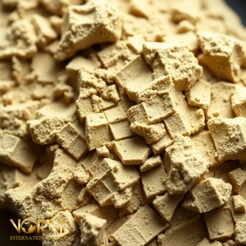
Bentonite as Tablet Binder
Bentonite is widely used as a binder in tablet manufacturing due to its excellent cohesiveness. It helps compress powders into solid, stable tablets without compromising disintegration time. This ensures the medication dissolves properly in the digestive tract, allowing for effective absorption. Bentonite also improves the tablet’s mechanical strength, reducing breakage during packaging and transport. Its swelling properties support efficient drug release. Being a natural and cost-effective alternative, bentonite is preferred in both herbal and conventional pharmaceutical formulations.
Bentonite in Topical Use
Topical medications benefit from bentonite’s ability to create smooth, consistent textures and improve the spreadability of creams and ointments. Its absorptive properties allow it to draw out oils, toxins, and moisture from the skin, making it ideal for dermatological products. Bentonite is often used in medicated lotions, anti-inflammatory gels, and wound-healing creams. It provides a cooling effect, helping to soothe irritated or inflamed skin. Additionally, it forms a protective barrier on the skin’s surface, enhancing the delivery of active pharmaceutical ingredients.
Understand the base mineral in What is Bentonite Clay?
Bentonite Pharma Standards
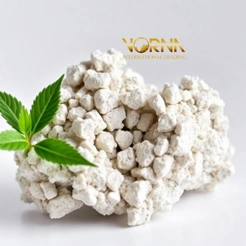
Pharmaceutical bentonite must adhere to strict regulatory guidelines to ensure its safety and effectiveness in medical use. It is typically listed in pharmacopeias such as the USP (United States Pharmacopeia) or EP (European Pharmacopoeia). These standards cover parameters like heavy metal content, microbial limits, pH levels, and swelling index. Manufacturers must validate the source and purification process of the bentonite to meet compliance. Regulatory approval ensures that bentonite-based products maintain quality and efficacy. Following these standards is essential for pharmaceutical companies to maintain trust and safety in the market.
Looking for Detergent Bentonite?