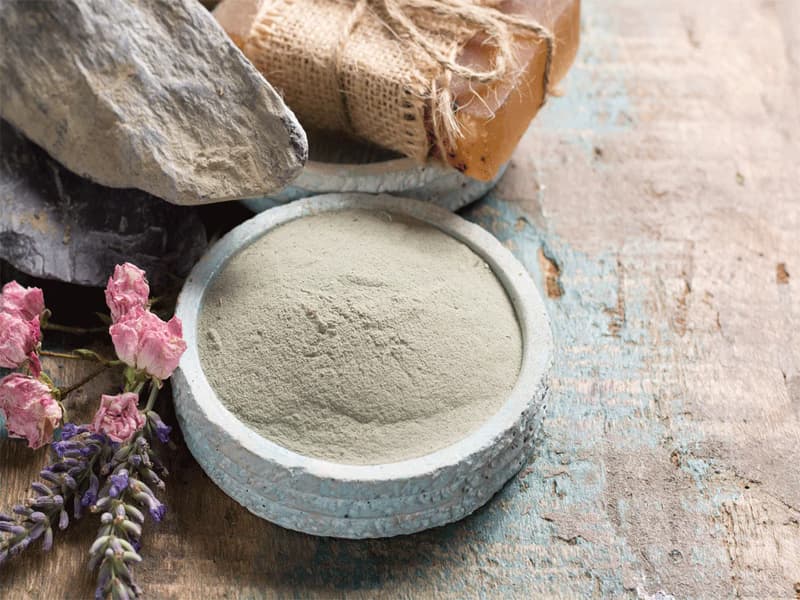
Kaolin Clay in Soap
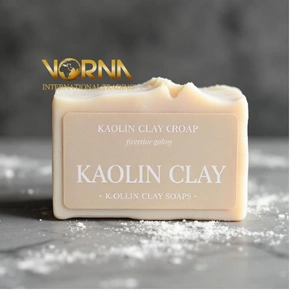
Kaolin clay soap is a gentle natural cleanser made with fine mineral clay known for its mild oil-absorbing and skin-soothing properties. Unlike harsh soaps, it helps remove impurities while maintaining the skin’s natural moisture balance, making it suitable for sensitive, dry, and combination skin types. Because of its smooth texture and non-abrasive nature, kaolin clay for soap is widely used in formulations to enhance lather, improve texture, and leave the skin feeling soft and refreshed.
If you’re looking to incorporate this ingredient into your soap-making, it’s crucial to also factor in the Kaolin cost, as it can vary depending on the supplier and quality. Understanding these costs helps you make an informed decision when purchasing Kaolin for your homemade soap recipes.
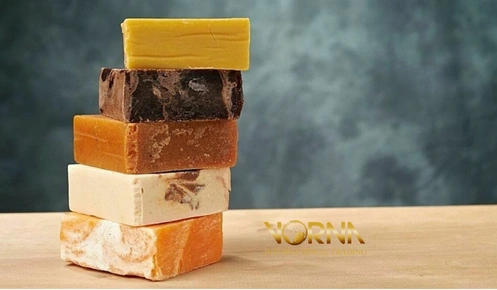
kaolin clay soap benefits
When considering the benefits of Kaolin clay in soap, it’s important to understand how this natural ingredient enhances your skincare routine. Kaolin clay soap offers multiple skincare benefits including gentle cleansing, oil control, mild exfoliation, and skin soothing effects. It helps remove toxins and impurities while maintaining the skin’s natural balance, making it suitable for acne-prone and sensitive skin. Its soft mineral composition makes it one of the safest and most widely used clays in cosmetic soap formulations.
What Does Kaolin Clay Do in Soap?
Kaolin clay improves soap performance by gently cleansing the skin, absorbing excess oils, and enhancing the texture of the soap bar. It works as a mild purifier that removes impurities without stripping natural moisture, making it ideal for sensitive or dry skin. In soap formulations, kaolin clay also helps create a smoother lather and gives the soap a silky feel, which is why it is widely used in natural and facial soaps.
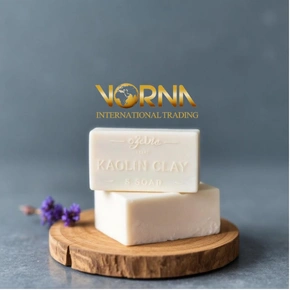
Types of Kaolin Clay Soap
There are several types of kaolin clay that can be used in soap making, each with its own unique properties. The most common types are white, yellow, and red kaolin clays. White kaolin is the most commonly used and is known for its gentle properties, making it ideal for sensitive skin. Yellow kaolin has a slightly stronger exfoliating effect, while red kaolin is often used for its rich, soothing properties and is especially good for dry skin. Depending on the desired outcome, soap makers can choose the kaolin clay type that best suits their skin needs.
For more details read our article about What is Kaolin?
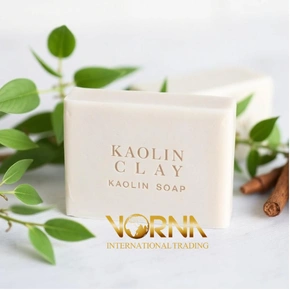
Kaolin clay in soap making
Soap makers add kaolin clay to soap recipes to improve texture, enhance cleansing properties, and create a smoother, creamier lather. Because kaolin is one of the mildest cosmetic clays, it is suitable for sensitive skin formulations and daily-use soaps. It also helps stabilize fragrance oils and improves the overall feel of the soap bar, making it a popular ingredient in handmade and natural soap products.
Kaolin clay soap offers gentle cleansing and soothing benefits for the skin. For more on Kaolin’s uses, check out how it’s utilized in Kaolin Pectin for additional skincare applications.
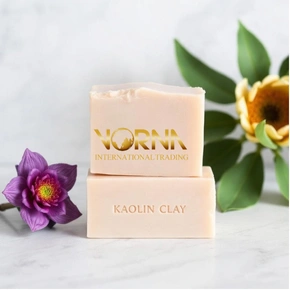
How to Use Kaolin Clay in Soap Making
To use kaolin clay in soap making, it is typically mixed into oils before adding the lye solution in cold process soap, or blended into melted base in melt-and-pour methods. This ensures even distribution and prevents clumping. Proper mixing allows the clay to enhance texture, absorption, and cleansing performance in the final soap bar.
Kaolin Clay Soap Recipe
A basic kaolin clay soap recipe typically includes natural oils like olive oil, coconut oil, or palm oil, along with sodium hydroxide (lye) for the saponification process. To incorporate kaolin clay, simply mix the desired amount of clay into the oils before adding the lye solution. This ensures the clay is evenly distributed throughout the soap. Kaolin clay can be used at about 1–2 teaspoons per pound of soap base, although this amount can be adjusted depending on the desired properties. You can customize the recipe with essential oils for fragrance or additional skin benefits.
If you’re curious about the health benefits of edible kaolin clay, don’t miss the article on Edible Kaolin Clay. It explores how this unique clay can be consumed for various health purposes.
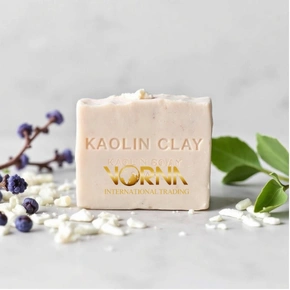
Kaolin Clay Cold Process Soap
In cold process soap making, kaolin clay is an excellent choice for adding both texture and functionality to your soap bars. It blends easily into the oils during the preparation phase and helps create a smooth, silky lather once the soap has cured. Kaolin clay also enhances the soap’s ability to absorb excess oils from the skin, making it a popular ingredient for those with oily or combination skin. When used in cold process soap, kaolin clay can also contribute to a longer-lasting bar that is gentle and moisturizing.
For an in-depth look at how kaolin clay is used in the cosmetic industry, visit the article on Kaolin Cosmetics. It provides valuable insights into the benefits and applications of this versatile ingredient.
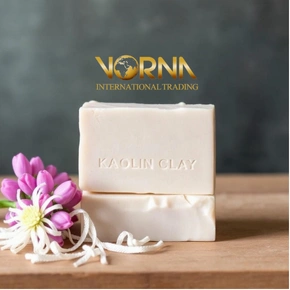
What Does Kaolin Clay Do in Soap?
Kaolin clay serves multiple purposes in soap making. It helps cleanse and exfoliate the skin by gently removing dead skin cells and impurities. The clay’s absorbent properties help control excess oils, making it ideal for people with oily or acne-prone skin. It also soothes and softens the skin, leaving it feeling smooth and refreshed. Additionally, kaolin clay contributes to a luxurious texture and creamy lather, making it a popular choice for both beginners and experienced soap makers.
How Much Kaolin Clay Per Pound of Soap?
The recommended amount of kaolin clay per pound of soap is typically between 1 and 2 teaspoons. This ratio allows the clay to provide oil absorption, texture improvement, and gentle exfoliation without making the soap too dry or crumbly. Some soap makers increase the amount slightly for oily skin formulations, but using too much clay may reduce lather quality and affect the final texture.
To better understand the skin benefits of kaolin clay, be sure to check out the article on the Benefits of Kaolin Clay for Skin. It explains how this natural ingredient can nourish and rejuvenate your skin.
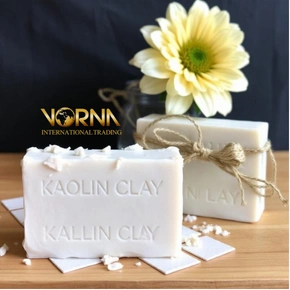
How Much Kaolin Clay in Cold Process Soap?
In cold process soap, kaolin clay is generally used at around 1 to 2 teaspoons per pound of soap base. This amount helps to improve the texture of the soap while providing the desired skin benefits. The clay is typically added to the oils before mixing in the lye solution, allowing it to fully dissolve and integrate. The gentle exfoliating and oil-absorbing properties of kaolin clay make it an ideal addition for cold process soap, particularly for those with sensitive or oily skin.
How Much Kaolin Clay to Add to Soap?
The amount of kaolin clay to add to soap depends on the type of soap and the desired effect. For a standard soap recipe, about 1 to 2 teaspoons per pound of soap is sufficient. However, for melt and pour or cold process soaps, you can adjust the amount based on personal preference or skin type. People with oily skin may prefer a higher amount of kaolin clay to enhance its oil-absorbing properties, while those with dry or sensitive skin might opt for a smaller amount to avoid over-exfoliation.
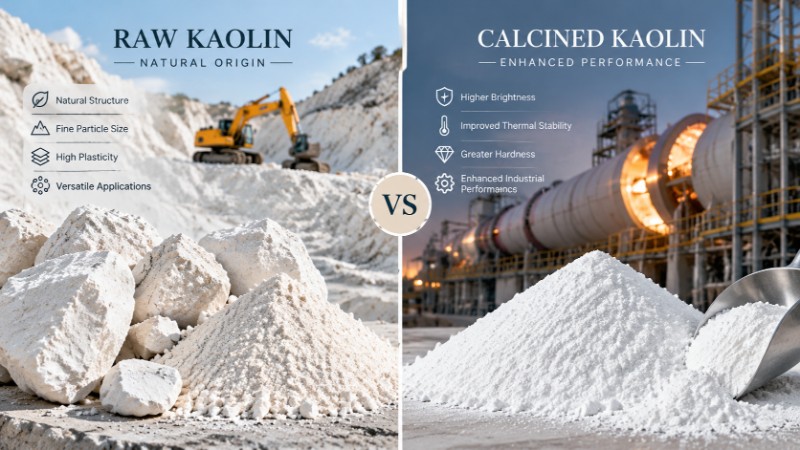
Kaolin clay soap is celebrated for its gentle exfoliating and soothing properties, making it a top choice for sensitive skin. When looking to explore different forms of Kaolin, Calcined Kaolin is another variant that undergoes a heating process to enhance its properties, offering even more versatility in skincare and industrial uses. Understanding the differences between these types can help you choose the right Kaolin for your needs.
Common Questions About Kaolin Clay in Soap
Is kaolin clay safe in soap?
Yes, cosmetic-grade kaolin clay is safe and widely used in natural soap formulations.
Does kaolin clay make soap harder?
Yes, it slightly improves soap firmness and texture.
Is kaolin clay good for oily skin soap?
Yes, it helps absorb excess oil and balance sebum levels, making it ideal for oily skin formulations.
Can I add kaolin clay to any soap recipe?
Yes, kaolin clay can be added to most soap types including cold process, hot process, and melt-and-pour soaps.
Looking for high-quality kaolin for soap production or cosmetic formulations?
Contact Vornaco to receive technical specifications, bulk supply options, and customized pricing based on your application.