
Pink Salt Lakes
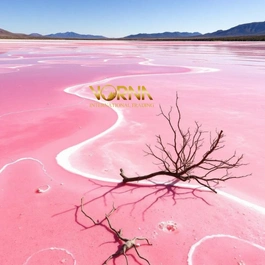
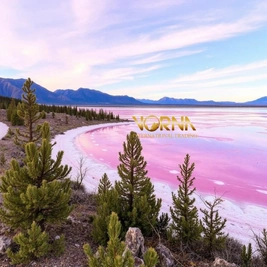
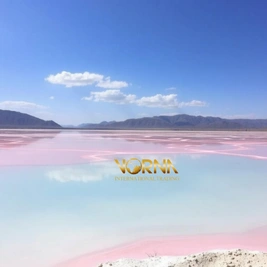
Pink salt lakes are nature’s surreal masterpieces—where vivid pink water stretches across salty plains, creating dreamlike landscapes that look photoshopped. These lakes get their pink hue from microscopic algae (like Dunaliella salina) and halobacteria that thrive in high-salinity environments. Aside from their visual appeal, pink salt lakes are also major sources of mineral-rich salt. Found across continents—from Australia to Africa—these lakes are a hot topic for travelers, scientists, and salt producers alike.
The breathtaking hues of pink salt lakes are closely tied to the mineral composition also found in Himalayan pink salt. This natural salt, harvested from ancient seabeds, is rich in trace elements—just like the lakes that inspire wonder around the world.
Where Pink Salt Lakes Are Found?
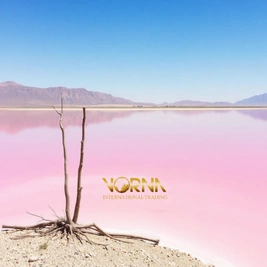
Pink salt lakes exist on nearly every continent, often in arid or coastal areas with high evaporation rates. Australia is home to some of the most famous ones, such as Lake Hillier and Lake Eyre. In Africa, Lake Retba in Senegal draws attention for its bubblegum-pink glow. Iran’s Maharloo Lake and Spain’s Torrevieja are also stunning examples. These natural wonders aren’t just photogenic—they hold significant ecological, cultural, and economic importance.
While pink lakes dazzle the eye, their connection to culinary practices might surprise you. Learn how pink curing salt uses similar mineral-rich properties for preserving meats and enhancing flavors.
Why Are Pink Salt Lake Pink?
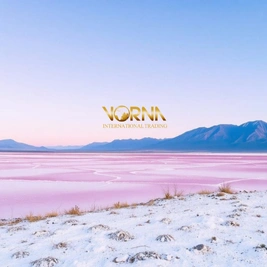
The bright pink color in pink salt lakes is caused primarily by the presence of Dunaliella salina, a type of algae that produces beta-carotene (a reddish pigment). When exposed to intense sunlight and high salinity, the algae multiply rapidly, saturating the lake’s color. Halobacteria also contribute to the hue. This vibrant palette intensifies in summer, especially when evaporation is at its peak, concentrating the salt—and the color.
Salt Harvesting from Pink Lakes
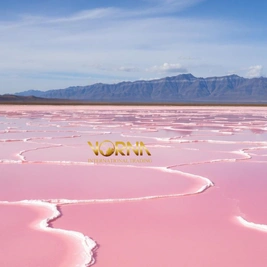
Many pink salt lakes serve as active salt harvesting sites. The process usually involves letting water evaporate in shallow ponds, leaving behind layers of crystallized salt. These are then collected manually or mechanically. The resulting salt is often rich in minerals like magnesium and potassium. Some are used for culinary purposes, while others go into cosmetics and spa products. The unique pink tint adds both aesthetic and commercial value to the salt.
Pink Salt Lakes and Tourism
From Instagram-worthy shots to guided boat tours, pink salt lakes have become tourist hotspots. Lake Hillier in Australia and Las Coloradas in Mexico draw thousands of visitors annually. Tourists are often captivated by the lakes’ vibrant color, especially when viewed from above. These destinations offer not only stunning views but also educational insights into natural saline ecosystems. Eco-tourism initiatives are now emerging to preserve their delicate balance.
Not all salts are created equal. The vibrant tones of pink lakes raise an important question—how does pink salt vs sea salt compare in terms of source, taste, and nutrition? Explore the key differences here.
Scientific Interest in Pink Salt Lakes
Scientists are increasingly fascinated by pink salt lakes because of the extremophiles—organisms that thrive in harsh conditions—they harbor. Studying these organisms can unlock clues about life on other planets. The saline and mineral-rich environments serve as analogs for Martian terrains. Biologists, chemists, and astrobiologists regularly sample these lakes to explore microbial resilience, pigmentation processes, and salt crystal formation.
Commercial Uses of Pink Lake Salt
Salt extracted from pink salt lakes isn’t just table seasoning—it’s big business. It’s used in bath soaks, exfoliants, gourmet dishes, and even art installations. Its naturally occurring trace minerals are marketed as health-boosting. Some cosmetic brands highlight pink lake salt’s detoxifying and skin-nourishing properties. The unique appearance and story behind the salt add marketing value in health, beauty, and culinary industries.
The color of salt tells a fascinating story. From deep pinks to dark blacks, discover how black salt vs pink salt differs in origin, mineral content, and culinary use—just like the landscapes they come from.
Environmental Threats to Pink Salt Lakes
Despite their remote beauty, pink salt lakes are under threat. Overharvesting, pollution, tourism mismanagement, and climate change can degrade these fragile ecosystems. Rising temperatures and human intervention can lower water levels, disrupt algae blooms, and reduce salt production. Sustainable management practices, eco-tourism models, and environmental regulations are essential to protect these magical landscapes for the future.
Most Famous Pink Salt Lakes in the World
Some of the most iconic pink salt lakes include:
- Lake Hillier, Australia – Known for its permanently pink water
- Lake Retba (Lac Rose), Senegal – Popular for salt harvesting
- Las Coloradas, Mexico – A vibrant photo spot
- Torrevieja, Spain – Great for health tourism
- Maharloo Lake, Iran – A seasonal beauty
Each one has its own unique tone, salt composition, and tourism dynamics that set it apart.
Visiting a Pink Salt Lake
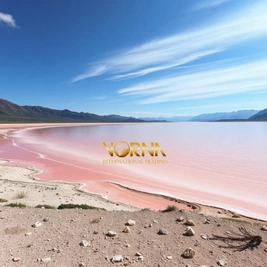
When planning a trip to a pink salt lake, it’s important to research the best season for peak color. Some lakes require special permits or guided tours due to environmental restrictions. Sunscreen, sunglasses, and drones (if permitted) are must-haves. Expect reflective surfaces, bright light, and limited shade. Responsible tourism helps preserve these wonders while letting you enjoy their one-of-a-kind beauty.
Pink Salt Lakes and Future Research
As curiosity grows, pink salt lakes continue to attract attention from researchers in microbiology, climate science, and geology. Potential applications range from skincare to space exploration. New technologies like remote sensing and drone photography are improving how we study and monitor these unique environments. The future may hold even more discoveries beneath their bubblegum-pink surfaces.
Ever wondered what gives Himalayan salt its stunning pink hue—similar to the waters of pink lakes? Explore the answer in our in-depth guide: What is Himalayan pink salt? and why it’s so widely prized.