Sodium Bentonite
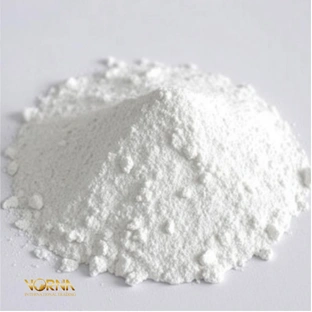
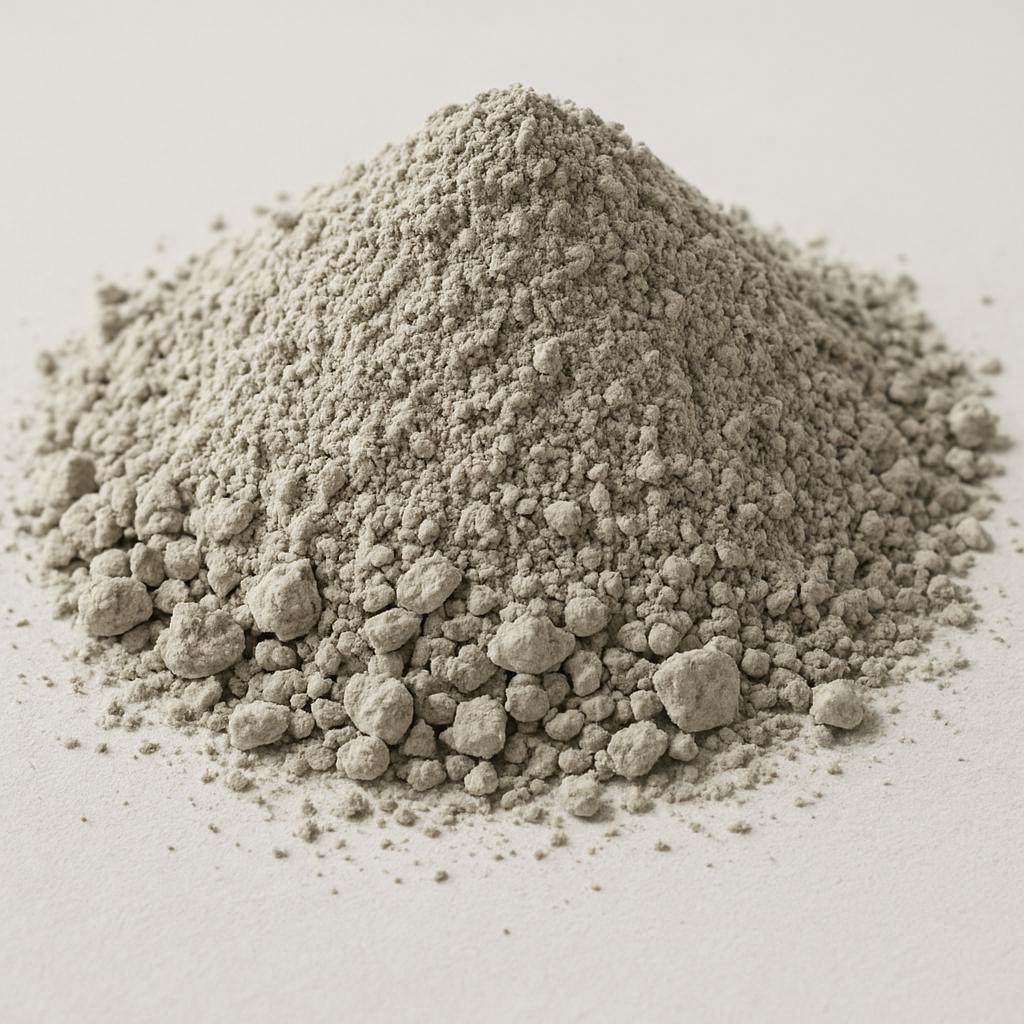
Sodium Bentonite is a highly absorbent and versatile clay formed from volcanic ash that has undergone extensive weathering. It is primarily composed of montmorillonite, a mineral known for its exceptional swelling properties and ability to absorb large amounts of water and toxins. This unique clay is widely used across many industries, including environmental engineering, drilling, construction, agriculture, and even in personal care products. The natural chemical structure of Sodium Bentonite gives it the ability to expand several times its dry volume when hydrated, making it invaluable for sealing, binding, and purification applications.
What makes Sodium Bentonite stand out is its excellent colloidal properties and its capacity to form a dense, impermeable barrier upon contact with moisture. This characteristic has earned it a crucial role in applications like landfill liners, pond sealing, and other containment solutions. Moreover, Sodium Bentonite’s absorbent nature allows it to trap contaminants and heavy metals, making it beneficial in environmental cleanup projects. Its versatility extends to uses in cat litter, pet care, and even as a detoxifying agent in natural health remedies.
Looking for High Quality and affordable Bentonite Price?
What is Sodium Bentonite?
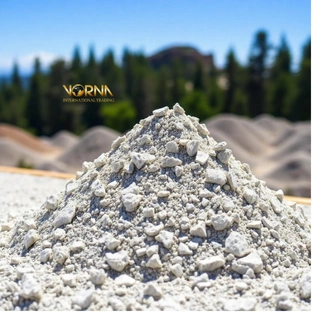
Sodium Bentonite is a type of bentonite clay dominated by sodium ions, which give it higher swelling capacity compared to calcium bentonite. It forms from volcanic ash that reacts with groundwater over time, creating a fine-grained clay that absorbs water and expands significantly. This swelling property is what differentiates Sodium Bentonite from other clays and allows it to seal gaps, cracks, and prevent leakage in various industrial applications.
Chemically, Sodium Bentonite consists mainly of montmorillonite, which allows the clay particles to separate and absorb water between their layers, causing the expansion. This quality makes it highly effective as a natural sealant and binding agent. It’s commonly mined and processed to meet specific standards depending on its intended industrial, agricultural, or pharmaceutical use. Its ability to absorb liquids up to 15 times its dry weight is one of the highest among all clays.
Applications of Sodium Bentonite
The industrial use of Sodium Bentonite is extensive due to its physical and chemical properties. In the construction industry, Sodium Bentonite is a critical component for waterproofing foundations, sealing tunnels, and lining retaining walls. Its swelling properties create a natural barrier that prevents water penetration, protecting structural integrity. Additionally, it’s used in drilling muds to lubricate and cool drill bits, stabilize boreholes, and carry rock cuttings to the surface.
Environmental engineering benefits greatly from Sodium Bentonite as well, particularly in landfill liners and containment ponds where it acts as a low-permeability barrier to prevent leachate leakage. This use reduces soil and groundwater contamination, aligning with environmental protection standards. Furthermore, Sodium Bentonite is utilized in waste water treatment processes to remove suspended solids and heavy metals due to its adsorbent nature.
Agricultural Uses of Sodium Bentonite
In agriculture, Sodium Bentonite plays an essential role in soil conditioning and water retention. When added to sandy or poor-quality soils, it improves the soil’s ability to hold water and nutrients, promoting healthier crop growth. Its swelling and moisture-retaining properties help maintain soil structure and prevent erosion. Farmers also use it as a carrier for pesticides and fertilizers, allowing a slow release of these substances into the soil for more efficient plant absorption.
Sodium Bentonite’s natural mineral content supports soil microbial activity, which is beneficial for soil fertility and plant health. It is also used in animal feed as a binder and detoxifier, absorbing toxins and improving digestion in livestock. These applications highlight Sodium Bentonite’s vital role in sustainable agriculture practices.
Sodium Bentonite in Health
Beyond industrial and agricultural uses, Sodium Bentonite is valued in natural health and cosmetic products. Its absorbent qualities make it an excellent ingredient in face masks, body wraps, and detox baths. When applied to the skin, it draws out impurities, excess oils, and toxins, leaving the skin feeling refreshed and purified. Its soothing and mineral-rich composition also helps calm irritated or inflamed skin.
In natural medicine, some people use Sodium Bentonite internally as a detoxifying agent, although this requires food-grade quality and professional guidance. It can bind to toxins and heavy metals in the digestive tract, assisting in their elimination. Its gentle cleansing effect and mineral content have made it a popular natural remedy for improving overall wellness.
Sodium Bentonite Clay for Skin
Sodium bentonite clay is widely recognized in natural skincare for its powerful detoxifying and cleansing effects. When applied as a mask or poultice, it draws out impurities, excess oils, and toxins from the skin, helping to reduce acne and soothe irritation. Its fine particle size allows it to penetrate pores deeply, promoting a clearer complexion and balanced skin.
Additionally, sodium bentonite clay contains essential minerals that nourish and calm the skin, making it suitable for sensitive or inflamed skin types. It also aids in healing minor wounds or insect bites by reducing inflammation. This natural clay provides a chemical-free alternative to synthetic skincare products, favored by those seeking organic and holistic beauty solutions.
Differences Between Sodium Bentonite and Calcium Bentonite
While Sodium Bentonite and Calcium Bentonite are both types of bentonite clay, their chemical makeup results in different properties and uses. Sodium Bentonite has a higher swelling capacity, making it ideal for sealing and waterproofing. It expands up to 15 times its dry volume when hydrated, forming an impermeable barrier. On the other hand, Calcium Bentonite has lower swelling ability and is primarily used in applications where absorption without significant expansion is needed, such as in cosmetics and animal feed.
Understanding these differences is crucial for selecting the right type of bentonite for specific industrial or health-related uses. Sodium Bentonite’s superior swelling and sealing properties make it the clay of choice for environmental and construction projects, while Calcium Bentonite is preferred for skincare and internal use due to its gentler nature.
How to Use Sodium Bentonite
When handling Sodium Bentonite, it is important to follow safety guidelines to maximize benefits and avoid potential issues. For industrial use, workers should wear protective gear to avoid inhaling fine clay particles, which can irritate the respiratory system. When using Sodium Bentonite in agriculture or personal care, always ensure that the clay is of appropriate grade and free from contaminants.
For skin applications, mix the clay with water to form a smooth paste and apply it gently to the skin. Avoid prolonged exposure if you have sensitive skin. Internal use should only be done with food-grade Sodium Bentonite and under professional supervision to avoid digestive discomfort. Proper storage in a dry, cool place helps maintain the clay’s effectiveness over time.
Also you can get precise information about What is Bentonite Clay on our website
Natural Sodium Bentonite
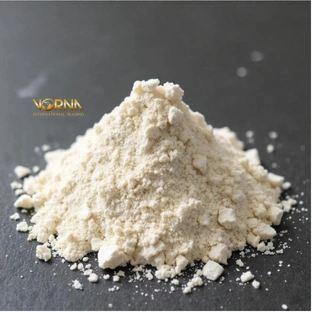
Natural sodium bentonite refers to bentonite clay that is minimally processed to retain its original mineral content and structure. This natural form contains montmorillonite with sodium as the dominant exchangeable ion. Its natural swelling and absorbent qualities make it valuable in organic farming, natural skincare products, and eco-friendly sealing applications.
Being free from chemical additives, natural sodium bentonite is sought after by industries focusing on sustainability and natural ingredients. It supports the environment by offering biodegradable, non-toxic solutions for sealing ponds, landfills, and even packaging. Natural sodium bentonite is typically sourced from well-managed mines that prioritize environmental stewardship.
Crushed Sodium Bentonite
Crushed sodium bentonite is the physically broken-down form of bentonite clay, often processed to achieve specific particle sizes for different applications. Crushing enhances the clay’s surface area, improving its reactivity and absorption efficiency. This form is widely used in drilling fluids, cat litter, and soil amendments where controlled texture and particle distribution are important.
By crushing sodium bentonite, manufacturers can tailor the clay for bulk applications where ease of mixing and dispersal in liquids or soil is critical. The crushed form still retains all the natural swelling and sealing properties but offers better handling characteristics for industrial processes. It is commonly packaged in bulk bags or sacks for transport and use.
Sodium Activated Bentonite
Sodium activated bentonite is produced by chemically treating calcium bentonite with sodium salts to enhance its swelling capacity and absorption properties. This activation process transforms bentonite clay to exhibit characteristics similar to natural sodium bentonite, increasing its industrial utility. Sodium activated bentonite is often preferred in drilling muds, sealants, and waste containment due to its superior swelling.
This treatment improves the clay’s ability to absorb water and contaminants, making it more effective in sealing and environmental protection roles. Sodium activated bentonite combines the natural benefits of bentonite with enhanced functional performance, bridging the gap between naturally sourced and chemically processed clays.
Sodium Bentonite in Cattle Feed
Sodium bentonite is commonly added to cattle feed as a binder and detoxifying agent. It helps bind toxins and mycotoxins in animal feed, preventing them from being absorbed by the digestive system and thus protecting livestock health. The clay also improves digestion and nutrient absorption, contributing to better weight gain and overall productivity.
Moreover, sodium bentonite’s natural mineral content benefits cattle by supplying trace elements essential for metabolism and growth. It is a safe and natural feed additive widely used in the livestock industry to enhance animal welfare and farm profitability.
Bulk Sodium Bentonite
Bulk sodium bentonite refers to large quantities of bentonite clay supplied for industrial, agricultural, or environmental use. Buying in bulk offers cost advantages and ensures a steady supply for large-scale projects like landfill lining, drilling operations, or agricultural soil conditioning. Bulk sodium bentonite is typically available in powder or granular form and can be sourced from various mines worldwide.
Industries that use sodium bentonite in bulk benefit from its cost-effectiveness and versatility. It is essential for companies to work with reputable suppliers who guarantee quality and consistency to meet specific project requirements. Bulk sodium bentonite is often stored in warehouses or directly delivered to job sites in bulk containers.
Where to Buy Sodium Bentonite
Purchasing high-quality Sodium Bentonite requires attention to purity, source, and intended application. Reliable suppliers provide food-grade, cosmetic-grade, and industrial-grade options to meet diverse needs. Checking for certifications, lab testing, and product reviews can ensure you receive genuine and effective Sodium Bentonite.
Companies specializing in mining and processing bentonite, such as Vornaco, are trusted providers of Sodium Bentonite. These companies often offer bulk purchasing options for industrial clients as well as smaller quantities for personal and agricultural use. Choosing a reputable supplier ensures consistent quality and adherence to safety standards.
Do you know what is Raw Bentonite Clay?