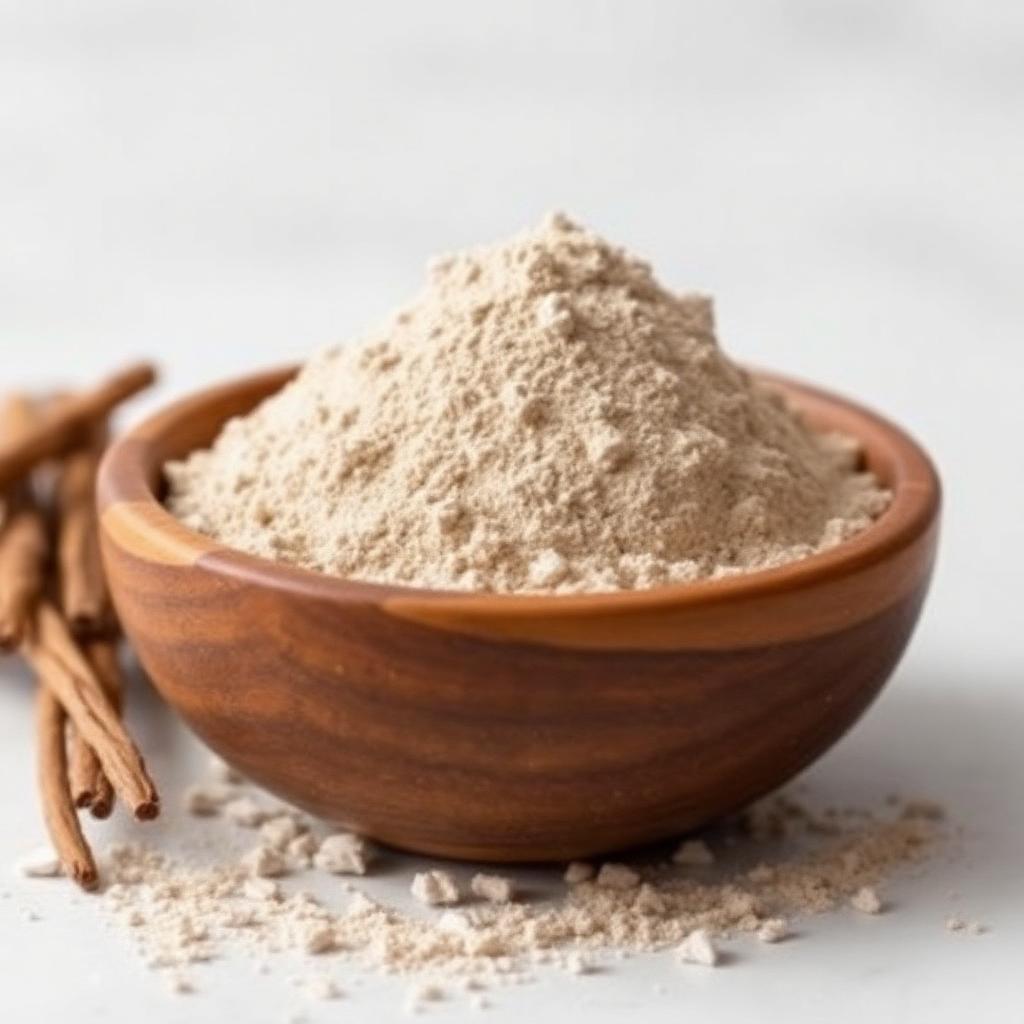
In this guide, we explain what bentonite clay detox refers to, how bentonite clay properties are used in wellness and personal care practices, and what scientific considerations should be taken into account.
Bentonite is a natural clay material mainly composed of montmorillonite, a mineral known for its unique surface properties and interaction with water. Due to its adsorption capacity and swelling behavior, bentonite clay has been used in different applications, including personal care products, environmental processes, and industrial uses.
When hydrated, bentonite clay can expand and form a gel-like structure. These characteristics have made it a popular ingredient in various topical applications and wellness products. However, the effectiveness and safety of internal use depend on product quality, application method, and available scientific evidence.
To better understand the origin, composition, and characteristics of this clay material, read our guide on what bentonite clay is.
What Makes Bentonite Clay Different?
Bentonite is mainly composed of montmorillonite, a clay mineral with unique surface properties. Its ability to interact with water and adsorb certain substances has made it useful in various applications, from industrial processes to personal care products.
Bentonite is available in different grades and specifications depending on its intended application. Learn more about industrial bentonite products and their characteristics for different uses.
Want to know What is Bentonite?

How Does Bentonite Clay Detox Work?
The core of Bentonite Clay Detox lies in the clay’s negative charge. Most toxins, heavy metals, and chemicals in the body carry a positive charge. The negatively charged bentonite clay acts like a magnet, binding these toxins and trapping them within its structure. This process facilitates the elimination of toxins through natural body functions like bowel movements.
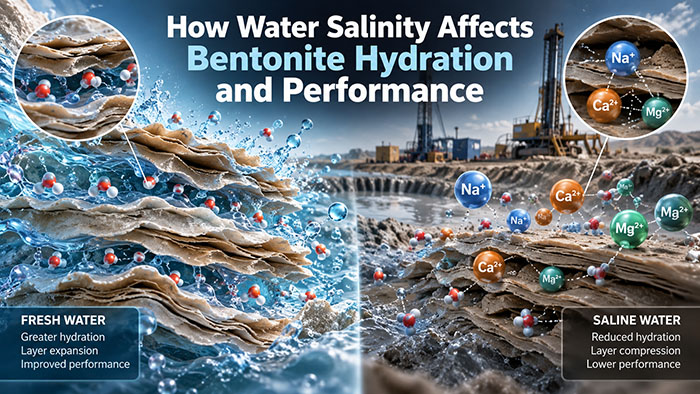
Moreover, Bentonite Clay Detox leverages the clay’s swelling property when hydrated, increasing surface area and enhancing its ability to capture impurities both in the digestive system and on the skin.

Types of Bentonite Clay Detox
Bentonite Clay Detox can be categorized into two primary types: external and internal detoxification. External detox involves topical applications such as face masks, body wraps, and clay baths that help draw out impurities and toxins from the skin. Internal Bentonite Clay Detox is done by ingesting food-grade clay to cleanse the digestive system, bind toxins, and promote gut health. Both types offer unique benefits, making Bentonite Clay Detox a versatile natural remedy for overall wellness. Choosing the right method depends on individual needs and detox goals.
External Bentonite Clay Detox
External Bentonite Clay Detox refers to the topical application of bentonite clay on the skin or scalp. This method is widely used for:
- Face masks that remove excess oils, dirt, and toxins from pores
- Body wraps and baths that promote the drawing out of impurities and toxins through the skin
- Scalp treatments to alleviate dandruff and promote healthy hair
These external applications of Bentonite Clay Detox help rejuvenate the skin, reduce inflammation, and improve skin clarity.
Internal Bentonite Clay Detox
Internal Bentonite Clay Detox involves ingesting food-grade bentonite clay to support the body’s natural detox pathways. The clay travels through the digestive tract, adsorbing toxins, heavy metals, bacteria, and waste products. This method supports colon cleansing, balances gut flora, and aids in the removal of harmful substances from the body.
Bentonite Clay Detox is a natural method that uses bentonite clay’s powerful ability to absorb and eliminate toxins and heavy metals from the body. For those interested in other natural minerals with detox benefits, check out our comprehensive guide on What is Red Barite to learn about its unique properties and uses.

Potential Uses of Bentonite Clay in Personal Care and Wellness
Bentonite clay is widely used in personal care and wellness products because of its adsorption properties, fine particle structure, and ability to interact with water. While many traditional uses describe bentonite as a “detox clay,” scientific evaluation should focus on its physical and chemical properties rather than unverified health claims.
Bentonite Clay in Skin Care Applications
One of the most common uses of bentonite clay is in topical skincare products such as facial masks and clay-based formulations.
Due to its adsorption properties, bentonite clay can help absorb excess oils and impurities from the skin surface. Its fine texture and mineral composition make it suitable for cosmetic formulations designed for cleansing and skin care routines.
Adsorption Properties of Bentonite Clay
Bentonite clay has a high surface area and negatively charged clay layers, which contribute to its ability to interact with certain molecules and substances.
These adsorption characteristics are important in many applications, including environmental treatment, filtration processes, and industrial uses. They are also one of the reasons bentonite is commonly included in personal care products.
Factors Affecting Bentonite Clay Quality
The performance of bentonite clay depends on several factors, including:
– Mineral composition
– Montmorillonite content
– Particle size
– Processing method
– Purity and quality testing
For personal care and other applications, selecting a suitable bentonite grade with proper quality documentation is essential.

How to Use Bentonite Clay Detox Safely
To maximize the benefits of Bentonite Clay Detox safely, it is essential to use food-grade clay and follow recommended dosages. For external use, applying a thin layer as a mask or in baths helps avoid skin irritation. When ingesting bentonite clay, start with small amounts to monitor tolerance, and always consume it with plenty of water to aid toxin elimination. Consulting a healthcare professional before starting any detox regimen is advisable, especially for pregnant or nursing individuals. Proper use ensures effective detoxification while minimizing potential side effects.
External Application for Bentonite Clay Detox
- Face Masks: Mix 1-2 tablespoons of bentonite clay with water or apple cider vinegar to form a smooth paste. Apply evenly on clean skin, leave for 10-15 minutes, then rinse off. Use once or twice a week.
- Clay Baths: Add 1-2 cups of bentonite clay powder to a warm bath. Soak for 20-30 minutes to draw out toxins and relax muscles.
Internal Use Guidelines for Bentonite Clay Detox
- Use food-grade bentonite clay only.
- Start with 1 teaspoon mixed in 8 ounces of water or juice, consumed on an empty stomach. Gradually increase if needed, but do not exceed recommended doses.
- Stay well hydrated throughout the detox process.
- Avoid Bentonite Clay Detox if pregnant, nursing, or on medications without consulting a healthcare professional.

Precautions and Considerations in Bentonite Clay Detox
While Bentonite Clay Detox is generally safe when used correctly, improper use can lead to side effects like constipation, nutrient depletion, or allergic reactions. It is crucial to:
- Choose high-quality, food-grade bentonite clay.
- Follow dosage instructions carefully.
- Consult with a healthcare provider if you have any health conditions or concerns.
- Maintain adequate hydration during detox.

Scientific Research on Bentonite Clay Detox
Current scientific research supports the adsorptive properties of bentonite clay in binding toxins and heavy metals. Studies demonstrate its potential in water purification and aflatoxin adsorption. However, more clinical trials on the effectiveness and safety of Bentonite Clay Detox in humans are needed to provide conclusive evidence.
In conclusion, what is Bentonite Clay Detox can be explained as a natural method that may help bind toxins and impurities, but it should be used carefully and supported by scientific research.

Frequently Asked Questions (FAQ)
1. What is bentonite clay detox?
Bentonite clay detox refers to the use of bentonite clay in wellness and personal care practices. Bentonite is a natural clay material mainly composed of montmorillonite and is known for its adsorption properties, swelling behavior, and ability to interact with water.
2. How does bentonite clay work?
Bentonite clay works through its unique mineral structure and adsorption properties. When hydrated, bentonite can expand and form a gel-like structure, which allows it to interact with certain substances on its surface. These properties make it useful in different personal care and industrial applications.
3. What are the common uses of bentonite clay?
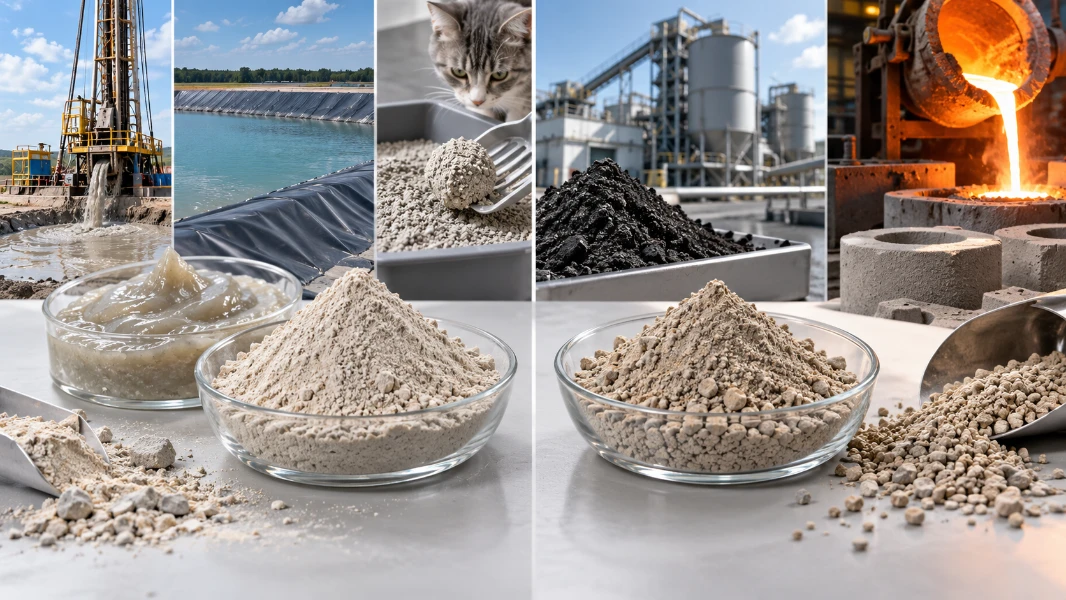
Bentonite clay is commonly used in personal care products such as clay masks and cosmetic formulations. It is also widely used in industrial applications including drilling fluids, sealing materials, filtration processes, and other mineral-based applications.
4. Is bentonite clay safe to use?
The safety of bentonite clay depends on its quality, intended use, and application method. For personal care applications, using properly processed and tested clay is important. Internal use should be approached carefully, and professional advice is recommended when necessary.
5. What factors determine bentonite clay quality?
Bentonite clay quality depends on factors such as mineral composition, montmorillonite content, particle size, processing method, and purity testing. These characteristics influence the performance of bentonite in different applications.