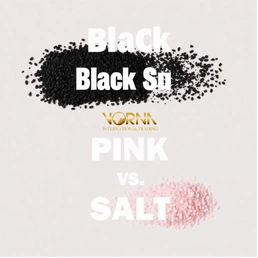

Black Salt vs Pink Salt
Salt is a basic yet essential ingredient found in nearly every kitchen across the world. While most people are familiar with regular table salt, alternatives like black salt and pink salt have gained attention for their potential health benefits, unique flavors, and mineral content. But what’s the real difference between these two trendy salts?
Black salt, also known as kala namak, is famous in South Asian cuisine and Ayurveda. It has a sharp, sulfuric smell and is often used for its digestive benefits and strong flavor. Pink salt, often labeled as Himalayan pink salt, is extracted from ancient sea salt deposits and is praised for its mineral richness and subtle taste.
In this article, we’ll explore how these salts differ in composition, health benefits, taste, and usage — helping you decide which one fits best into your lifestyle.
After comparing black salt and pink salt, you might be wondering where to find high-quality Himalayan pink salt for your own kitchen. Our premium-grade product is hand-mined, rich in natural minerals, and perfect for cooking, detox drinks, or finishing gourmet meals. Check it out here: Himalayan pink salt
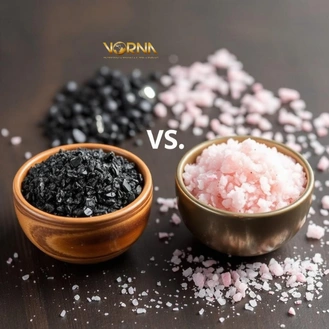
Himalayan Pink Salt & Black Salt Health Benefits
Himalayan pink salt and black salt offer a wide range of health-related uses, although many of the claims are based on traditional practices and not all are scientifically proven.
Himalayan Pink Salt is said to:
- Contain over 80 trace minerals like potassium, magnesium, and calcium
- Help maintain fluid balance and electrolyte levels
- Support hydration when used in sole water (salt water solution)
- Relieve respiratory conditions when inhaled through salt inhalers
- Promote better sleep and hormonal balance (claimed but unproven)
Black Salt (Kala Namak), according to Ayurveda, may:
- Aid digestion and improve appetite
- Reduce bloating, gas, and acid reflux
- Act as a mild laxative
- Support fat metabolism
- Lower cholesterol (based on traditional use, not clinical trials)
Although both salts have certain therapeutic values, they should be consumed in moderation as part of a balanced diet.
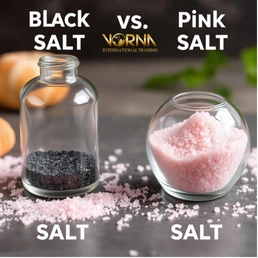
Difference Between Pink Salt and the Black Salt
Though both black salt and pink salt are considered more natural than regular table salt, they are quite different in origin, flavor, and purpose.
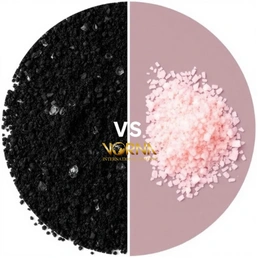
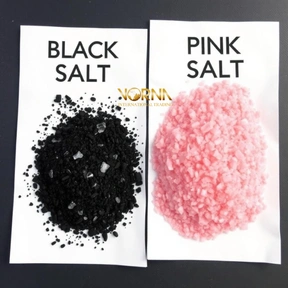
Pink salt comes from the Himalayan mountain region and gets its rosy hue from trace minerals like iron. It has a clean, mild flavor and is often used in cooking, seasoning, and even spa treatments. It’s known for its versatility and can replace table salt in most recipes without changing the taste dramatically.
Black salt, in contrast, has a deep purplish-black color before grinding and a pinkish hue after. Its flavor is bold and pungent due to natural sulfur compounds. Traditionally, it’s been used in Indian dishes like chaats and chutneys or in vegan recipes to mimic the flavor of eggs.
Another key difference lies in how they are processed. Pink salt is typically mined and left in its raw crystalline form, while black salt undergoes a heating process with herbs and charcoal, which enhances its therapeutic properties but also alters its chemical profile.
While both salts offer trace minerals, pink salt is more mineral-rich overall, whereas black salt is especially known for aiding digestion and adding bold flavor to specific dishes.
You’ve seen how pink salt compares to black salt, but what exactly is Himalayan pink salt, and why is it so popular? From its origin in ancient sea beds to its claimed health benefits and everyday uses, there’s more to pink salt than meets the eye. Get all the details in our in-depth article: What is Himalayan Pink Salt?
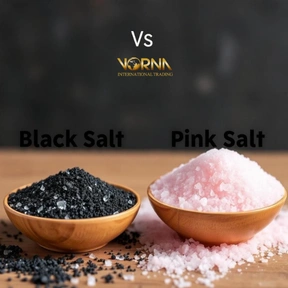
Pink Salt Vs. Black Salt: Is It Good For Health?
When comparing pink and black salt from a health perspective, it’s clear that both have their strengths — but neither is a magic solution.
Pink Salt:
- Slightly lower in sodium compared to refined salt
- Contains minerals that may contribute to hydration and pH balance
- Non-iodized unless specifically enriched
- Sometimes used in detox and “cleansing” diets
Black Salt:
- Offers sulfur compounds that may benefit digestion
- Popular in Ayurvedic medicine for its therapeutic qualities
- May help relieve constipation and stomach discomfort
- Used in small doses for its intense flavor and medicinal profile
Overall, both salts can be considered healthier alternatives to table salt when used wisely. But they do not eliminate health risks associated with high sodium intake. Moderation remains essential.
Read more: Pink Salt vs Sea Salt
Black Salt Vs. Pink Salt For Weight Loss
There is no salt that directly burns fat or causes weight loss, but some properties of pink and black salt may support a healthier digestive and metabolic system, which can indirectly help with weight management.
Black Salt and Weight Loss:
- Known for its detoxifying effects in Ayurvedic practices
- Helps in digestion and reduces bloating
- Included in herbal teas and weight-loss concoctions
- May reduce water retention and curb cravings due to better mineral absorption
Pink Salt and Weight Loss:
- Often added to warm lemon water to “kick-start” metabolism (a popular wellness trend)
- Believed to support adrenal function and hydration
- Helps balance fluids during exercise or fasting periods
That said, no scientific studies confirm direct weight loss benefits from either salt. They should be seen as part of a broader healthy eating and fitness plan — not as stand-alone weight loss tools.
Uses Of Pink Salt Vs. Black Salt
The uses of black and pink salt extend beyond just seasoning food — they are used in cooking, wellness routines, and even beauty treatments.
Himalayan Pink Salt Uses:
- Cooking and finishing salt for meat, fish, salads, and desserts
- Salt blocks for grilling or serving cold dishes
- Bath soaks to relieve sore muscles
- Salt lamps, which are claimed to purify air and reduce stress
Black Salt Uses:
- Enhancer in Indian dishes like pani puri, chaats, and raitas
- Essential in vegan recipes to mimic egg flavor in tofu scramble or vegan mayo
- Used in digestive tablets or powders for its carminative properties
- Occasionally used in traditional medicine for sore throat or gas relief
Black salt tends to be used in small quantities due to its strong taste, while pink salt is more flexible for daily use.
Taste and Smell: Pink Salt Vs. Black Salt
The taste and aroma of these salts are perhaps their most noticeable differences.
Pink Salt:
- Has a neutral, clean, and mild flavor
- Enhances food without overpowering it
- No distinct smell
Black Salt:
- Strong, sulfur-rich, eggy smell (from naturally occurring sulfur)
- Bold, savory, and slightly smoky flavor
- Adds an umami-like punch to dishes, especially useful in vegan diets
For people sensitive to strong smells or flavors, pink salt is the safer bet. But for those looking to experiment with bold taste profiles, black salt adds a depth that standard salts can’t offer.
If you’re fascinated by unique salts like black salt and pink salt, you’ll definitely want to learn about blue salt, one of the rarest and most visually striking salts in the world. Its deep blue hue and mineral composition make it stand out both in appearance and nutrition. Curious to know where it comes from and how it compares? Don’t miss our full guide: What is Blue Salt?