Calcium Bentonite
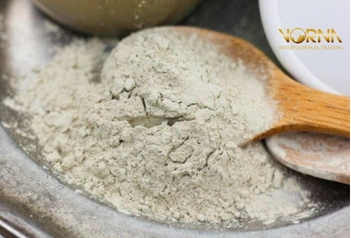
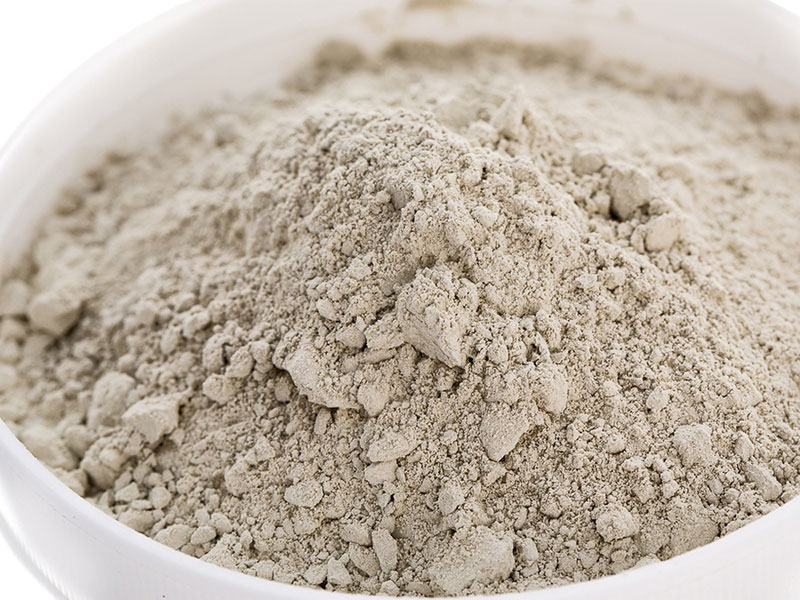
Calcium bentonite is a type of clay that originates from volcanic ash and is highly valued for its unique properties. It is primarily composed of calcium, along with various minerals like magnesium, iron, and sodium. This clay is known for its ability to absorb toxins, impurities, and heavy metals, making it widely used in detoxification, skincare, and health supplements.
When mixed with water, calcium bentonite expands and forms a thick paste, which has numerous beneficial applications in both health and industry. It is most commonly used in natural medicine as a detoxifying agent, helping to cleanse the digestive system and improve overall health by binding with and eliminating harmful substances.
The clay also has significant skincare benefits, as it can absorb excess oils, remove impurities, and reduce inflammation, making it a popular choice in acne treatments, facemasks, and other cosmetic products. Moreover, calcium bentonite has multiple industrial uses, such as in drilling fluids, as a soil conditioner, and in various manufacturing processes like paper and textiles.
Its natural and non-toxic properties also make it an environmentally friendly option in many industries, where it helps to reduce pollution, improve soil health, and maintain sustainability.
Vornaco as the best Bentonite Manufacturer proudly meet your need at any scale.
What Is Calcium Bentonite?
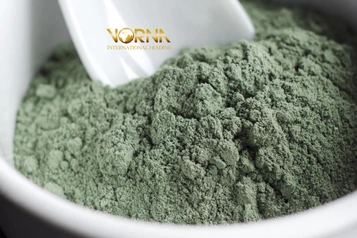
Calcium bentonite is a natural clay derived from volcanic ash. Rich in minerals like calcium, magnesium, and iron, it has a soft, fine texture. This clay is known for its ability to absorb and remove toxins, heavy metals, and impurities from the body and skin. Found in various parts of the world, calcium bentonite is often greenish-gray in color and swells when mixed with water. It forms a paste-like substance that has multiple industrial and cosmetic uses. Its molecular structure allows it to bind with toxins and flush them out effectively.
Natural Calcium Bentonite
Natural Calcium Bentonite is a type of clay formed from volcanic ash. It is rich in minerals like calcium, magnesium, and iron, which give it its characteristic properties. The “natural” aspect of this clay means it remains in its purest form, free from chemical additives, making it ideal for a variety of health, skincare, and industrial uses. Its ability to expand when mixed with water, forming a thick, paste-like consistency, enhances its power to absorb toxins, metals, and impurities. This property makes natural calcium bentonite an excellent choice for detoxification.
Calcium Bentonite Uses
Calcium bentonite is a versatile natural clay with numerous applications. It is commonly used for detoxification, both internally and externally, due to its ability to absorb toxins, heavy metals, and impurities. In skincare, it’s often applied as a face mask to cleanse the skin, reduce acne, and minimize pores. Additionally, it’s used in agriculture to improve soil quality by enhancing water retention and reducing soil erosion. Calcium bentonite also has industrial uses, including in drilling fluids, metal casting, and as a natural binder in construction and manufacturing. Its wide range of uses makes it valuable across various industries and wellness practices.
Calcium Bentonite in Industrial Use
Calcium bentonite is utilized in various industrial applications. It’s a key ingredient in drilling mud for oil and gas exploration. The clay stabilizes boreholes and cools the drill bit. It is also used in foundry molds for metal casting. In construction, it serves as a waterproofing agent in building foundations. Paper and textile industries use it as a filtering and clarifying agent. Its versatile properties make it a valuable industrial material. Demand for it continues to grow globally.
Calcium Bentonite in Skincare
In skincare, calcium bentonite clay is highly valued for its purifying properties. When applied as a mask, it absorbs excess oil, clears blackheads, and tightens pores. It also soothes irritated skin and reduces inflammation, making it suitable for acne-prone skin. Regular use can improve skin texture and give a brighter complexion. Due to its mineral content, it nourishes the skin while cleansing it. Many natural beauty products incorporate it as a core ingredient. It’s particularly popular in DIY face mask recipes.
Calcium Bentonite for Hair Care
Calcium bentonite is also beneficial for hair health. Used as a hair mask, it helps remove product buildup and toxins from the scalp. The clay’s absorbent properties clean the hair follicles deeply without stripping natural oils. It enhances curl definition and improves hair elasticity. Some users report less frizz and more volume after regular use. It’s suitable for all hair types, especially curly and textured hair. Its mineral content strengthens hair strands over time.
Calcium Bentonite and Digestive Health
Calcium bentonite supports digestive health when taken in recommended doses. It can help alleviate symptoms of indigestion, bloating, and gas. Its binding nature traps harmful bacteria and toxins in the gut. This aids in promoting a balanced gut microbiome. Some people use it as part of a gut-healing protocol. It’s important to use food-grade bentonite and follow dosage guidelines strictly. Drinking plenty of water is crucial to prevent constipation during use.
Calcium Bentonite in Oral Care
Calcium bentonite is increasingly popular in natural oral care products. Its fine texture and absorbent quality make it effective in pulling toxins from the mouth. It’s used in natural toothpaste and mouth rinses for its cleansing properties. The clay also helps neutralize bad breath and remove plaque. Some users report whiter teeth with regular use. Because it’s non-abrasive, it can be used safely for daily brushing. Its minerals support overall oral health.
Calcium Bentonite for Wound Healing
Calcium bentonite has been used traditionally for healing wounds and insect bites. It forms a protective barrier over the skin and keeps the area clean. The clay’s antimicrobial properties reduce the risk of infection. It also helps dry out wounds and speed up the healing process. When used as a poultice, it draws out pus and toxins. Its cooling effect soothes irritation and reduces swelling. Always ensure the clay is pure and uncontaminated for medical use.
Calcium Bentonite for Detox
Calcium bentonite is widely used for detoxification purposes, both internally and externally. When ingested in small, safe quantities, it binds with toxins and heavy metals in the digestive tract. This helps eliminate harmful substances from the body. Externally, it’s used in detox baths and face masks to draw out impurities through the skin. Many alternative health practitioners recommend it as part of a regular cleansing routine. Its high absorbent capacity makes it ideal for flushing out environmental toxins. However, medical consultation is essential before internal use.
Read our article about What is bentonite clay detox for complete info.
Calcium Bentonite in Agriculture
In agriculture, calcium bentonite is used as a soil conditioner and animal feed additive. It improves soil structure and water retention. The clay helps bind toxins and reduce odors in animal waste. It is also added to livestock feed to remove harmful substances from the digestive tract. Farmers use it to prevent fungal growth and pests in crops. Its use can improve the overall health and productivity of farm animals. It’s a sustainable and natural agricultural solution.
Calcium Bentonite for Pets
Calcium bentonite is also used to promote pet health naturally. It helps detoxify animals when added in small amounts to their diet. Pet owners use it to treat digestive issues and improve coat condition. The clay can also be applied externally to treat minor wounds and insect bites. It’s a safe alternative to chemical treatments when used properly. Always consult a veterinarian for proper dosage. Many pet products now include calcium bentonite for its holistic benefits.
Environmental Benefits of Calcium Bentonite
Calcium bentonite contributes positively to environmental health. It is used in pollution control to absorb oil spills and heavy metals. The clay’s natural composition makes it biodegradable and safe for ecosystems. It is employed in landfills to prevent leachate from contaminating soil and water. In wastewater treatment, it removes impurities effectively. Its application in sustainable farming also promotes ecological balance. As a natural resource, it’s an eco-friendly alternative in many industries.
Living Bentonite Clay
Living Bentonite Clay refers to calcium bentonite that is used in its pure, unaltered form and retains its “living” energy. This type of clay is often consumed or applied externally in its raw state, believed to have enhanced healing properties due to the natural minerals it contains.
Calcium Bentonite Powder
Calcium Bentonite Powder is simply the powdered form of calcium bentonite clay, making it easier to use and apply. The powder retains all the benefits of the clay, allowing it to be mixed with water, apple cider vinegar, or other natural ingredients to form a paste for various purposes.
Where to Buy Calcium Bentonite?
Calcium bentonite is available online and in health stores in various forms. It can be found as powder, capsules, or pre-mixed pastes. When purchasing, look for labels that indicate “food-grade” for internal use. For cosmetic or industrial purposes, different grades are available. Always check for product purity and source information. Trusted brands often provide lab testing results for safety assurance. Buying in bulk can be cost-effective for regular users.
How to Use Calcium Bentonite?
Proper usage of calcium bentonite is essential for safety and effectiveness. For internal use, always opt for food-grade clay and consult a healthcare provider. Mix the powder with water and drink immediately to avoid settling. For skin and hair, mix with water or apple cider vinegar to form a smooth paste. Avoid using metal utensils, as they may affect the clay’s properties. Store the product in a cool, dry place away from contaminants. Following instructions carefully maximizes benefits.
Do you know what is sodium bentonite?