
Bentonite Clay Mask
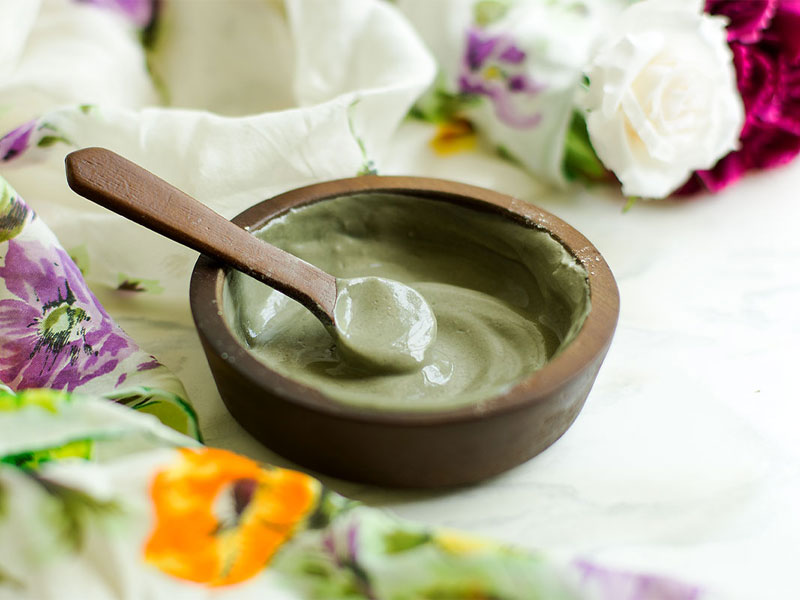
Bentonite Clay Mask is a popular natural skincare product made from volcanic ash clay known for its powerful cleansing properties. It effectively draws out impurities, toxins, and excess oils from the skin, making it ideal for deep cleansing and detoxification. Rich in minerals like calcium, magnesium, and silica, bentonite clay helps soothe irritation, reduce inflammation, and improve skin texture. This mask is widely used to treat oily and acne-prone skin, as it minimizes pores and controls sebum production. Its gentle exfoliating action promotes cell renewal, leaving the skin smoother and more radiant. Suitable for various skin types, bentonite clay masks can be customized with different natural ingredients to enhance hydration or calming effects. Overall, it is a versatile and natural solution for healthier, clearer skin.
Bentonite Clay Mask is made from natural bentonite clay(What is bentonite clay?) known for its powerful cleansing abilities.
What is Bentonite Clay Face Mask?
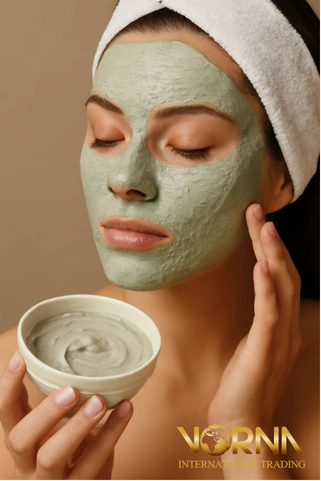
A bentonite clay face mask is a skincare product made from a natural volcanic ash clay known as bentonite. This clay is rich in minerals such as calcium, magnesium, and silica, which contribute to its therapeutic properties. Bentonite clay is famous for its exceptional ability to absorb toxins, impurities, and excess oils from the skin. When applied as a face mask, it binds with dirt and impurities on the skin surface and within pores, pulling them out and leaving the skin deeply cleansed and refreshed. Because of its powerful cleansing effects, it is especially popular for oily and acne-prone skin types. However, it can also be beneficial for other skin types when formulated correctly. Bentonite clay masks help tighten pores, improve skin texture, and provide a natural glow. Many beauty enthusiasts and dermatologists recommend this mask as a natural, chemical-free way to detoxify the skin and maintain a healthy complexion.
bentonite benefits for skin
The benefits of bentonite face masks extend beyond just cleansing. One of the primary advantages is their ability to absorb and remove excess sebum, which helps reduce oily shine and prevent clogged pores, a major cause of acne breakouts. Bentonite clay also contains antibacterial properties that help fight acne-causing bacteria, reducing the frequency and severity of pimples. Additionally, these masks provide gentle exfoliation by removing dead skin cells, promoting cell turnover for fresher and smoother skin. Bentonite is also known for soothing inflamed or irritated skin, making it suitable for sensitive skin types dealing with redness or minor irritation. Regular use of bentonite face masks can lead to improved skin texture, minimized pores, and an overall radiant complexion. Moreover, bentonite clay helps balance the skin’s pH, which is essential for maintaining a healthy skin barrier and preventing dryness or irritation.
How Bentonite Skin Masks Work?
Bentonite skin masks function primarily through a process called adsorption, where the clay particles attract and bind to impurities on the skin surface. When the mask is applied, it begins to dry and tighten on the skin. This tightening effect helps to physically pull toxins, dirt, and excess oils from deep within the pores. The natural minerals present in bentonite clay also help to replenish and soothe the skin, which supports skin repair and hydration. Because of these properties, bentonite masks are highly effective in deep cleansing and detoxifying the skin without harsh chemicals or synthetic additives. This process unclogs pores, reduces the chances of blackheads and acne, and refreshes the skin’s overall appearance. Additionally, the mask’s drying action helps absorb moisture, which can temporarily mattify oily skin, leaving it looking smoother and less shiny.
Bentonite Clay Mask for Acne-Prone Skin
Acne-prone skin often struggles with excess oil, clogged pores, and bacterial buildup, all of which contribute to breakouts. Bentonite clay masks are highly recommended for this skin type because they effectively absorb sebum and impurities, helping to prevent pore blockages that lead to acne. The clay’s natural antibacterial effects combat the bacteria responsible for acne, reducing inflammation and redness commonly associated with pimples. Beyond prevention, bentonite masks also support the healing of existing acne lesions by soothing irritated skin and promoting a healthier skin barrier. Many users report a noticeable reduction in breakouts and clearer skin with consistent use. Dermatologists often include bentonite clay masks as part of acne treatment regimens due to their gentle yet effective cleansing and anti-inflammatory properties.
Bentonite Clay Mask is a popular method for What is bentonite clay detox, helping to draw out toxins and impurities from the skin naturally. This detox process cleanses pores deeply and promotes healthier, clearer skin. Learning more about bentonite clay detox explains why these masks are so beneficial for skincare routines.
Bentonite Mask for Skin Types
One of the reasons bentonite clay masks are so popular is their versatility across different skin types. For oily skin, bentonite masks act as a natural oil absorber, reducing shine and clearing clogged pores to prevent breakouts. For dry skin, bentonite clay can be mixed with moisturizing agents like honey, aloe vera, or glycerin to avoid excessive drying while still benefiting from the mask’s cleansing effects. Sensitive skin users should proceed with caution and perform a patch test before full application, as the clay’s strong adsorptive nature can sometimes cause mild irritation or redness. Combination skin benefits from bentonite’s ability to balance oily and dry areas by selectively absorbing excess oils without stripping moisture. Customizing bentonite masks with additional ingredients helps make them suitable for nearly every skin type, offering a natural and effective skincare solution.
DIY Bentonite Clay Face Mask Recipes
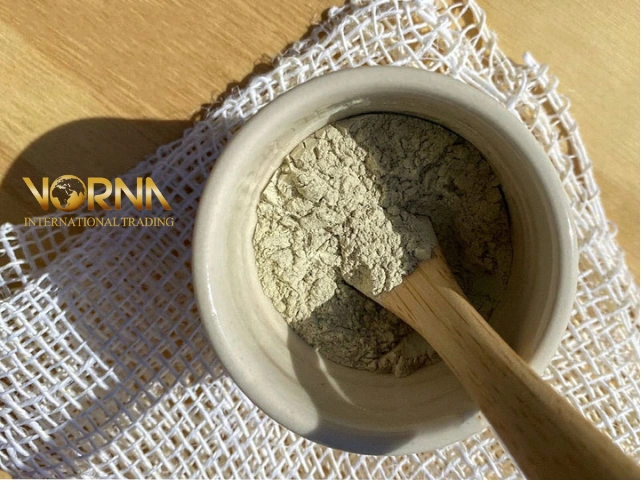
Making your own bentonite clay face mask at home is easy, cost-effective, and allows for customization based on your skin’s needs. A basic recipe involves mixing bentonite clay powder with water or apple cider vinegar until it forms a smooth paste. Apple cider vinegar adds additional skin benefits such as balancing pH and gentle exfoliation. For added hydration and soothing effects, ingredients like honey, aloe vera gel, or rose water can be mixed into the clay. To target acne or oily skin, essential oils like tea tree or lavender may be added for their antibacterial and calming properties. Charcoal powder can also be combined with bentonite clay to enhance detoxification. These DIY masks provide a natural alternative to commercial products, allowing you to tailor your skincare routine while avoiding harsh chemicals and synthetic additives.
Bentonite Mask Mistakes
Despite its benefits, incorrect use of bentonite masks can lead to unwanted effects. One common mistake is leaving the mask on for too long, which can cause excessive dryness, irritation, or tightness. It is generally recommended to leave the mask on for 10-15 minutes and rinse before it fully dries. Applying the mask on broken or highly sensitive skin can cause discomfort and exacerbate irritation. Some users also make the mistake of mixing bentonite clay with harsh chemicals or ingredients that can cause reactions. Overusing the mask (more than 2-3 times per week) can strip the skin’s natural oils, leading to imbalance and dryness. To maximize benefits and avoid side effects, it’s important to follow usage instructions and consider your skin’s specific needs.
How to Use Bentonite Clay Masks?
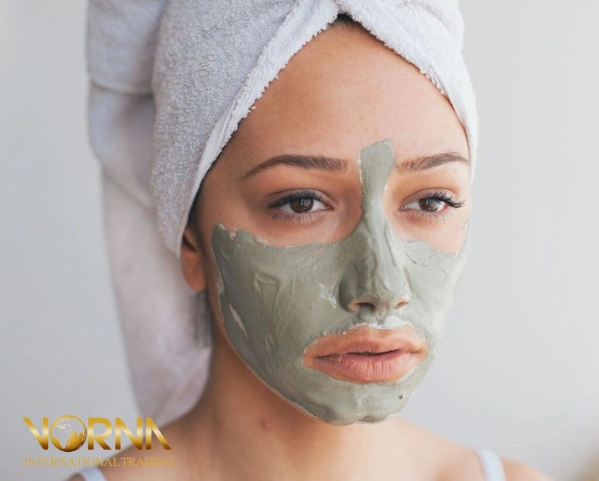
Using bentonite clay masks safely begins with a patch test to ensure no allergic reaction or sensitivity. Apply a small amount of the mixed mask to the inner forearm or behind the ear and wait 24 hours to check for irritation. When applying to the face, cleanse your skin first and use a thin, even layer of the mask. Leave it on for 10-15 minutes or until it begins to dry but not completely. Rinsing off before full dryness helps prevent over-drying and irritation. After removal, gently pat the skin dry and follow with a moisturizer to maintain hydration. Depending on your skin type, use the mask once or twice a week. Avoid using bentonite clay masks around the delicate eye area and discontinue use if redness or discomfort occurs.
Bentonite Clay Mask uses high-quality bentonite, similar to the type known as OCMA Bentonite, prized for its purity and strong absorptive properties. Understanding OCMA Bentonite helps reveal why it’s so effective in skincare and other applications. Read our article about What is OCMA Bentonite?
Bentonite Clay Mask is a natural product also used in various industries like winemaking(Bentonite Winemaking) for its unique purification properties.


